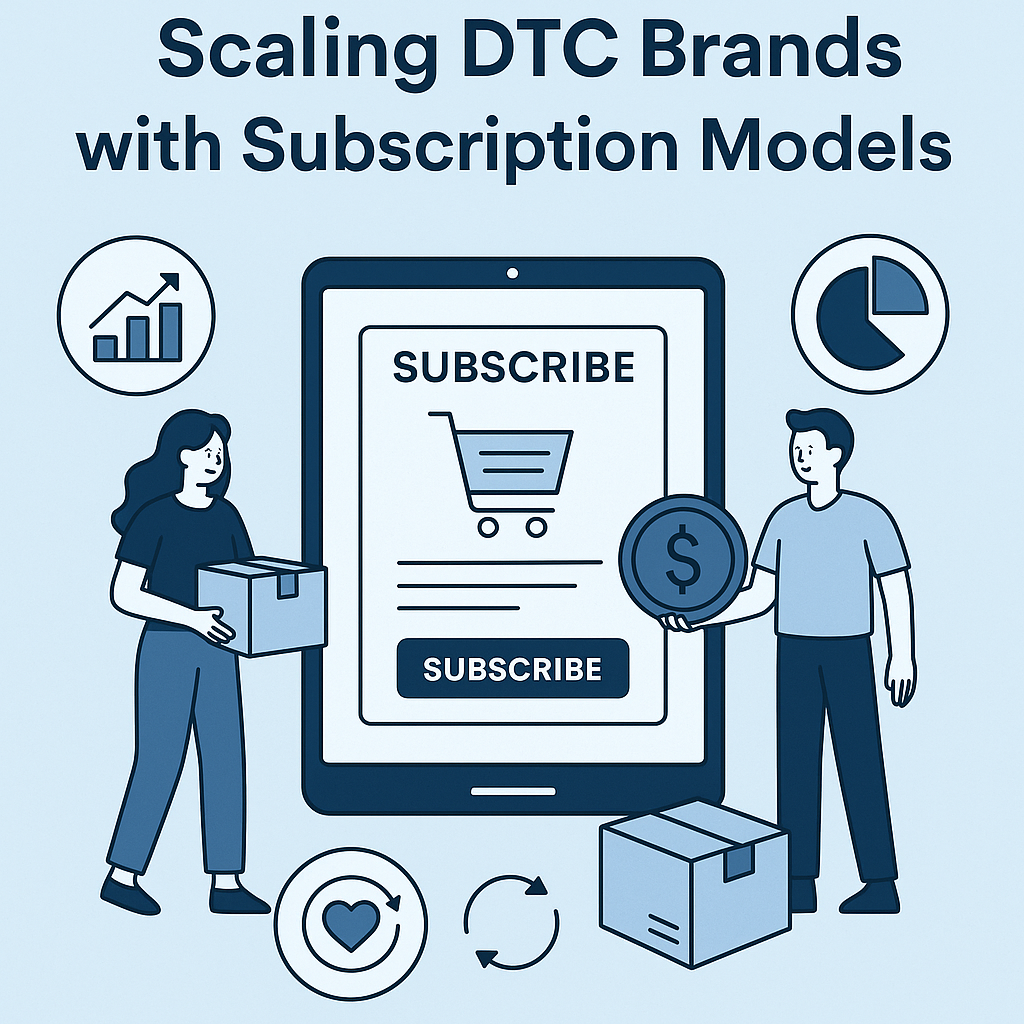
Scaling DTC Brands with Subscription Models
Why Subscription Models are the Future of DTC The Direct-to-Consumer (DTC) model has exploded in recent years, with brands bypassing traditional retail channels to build deeper, more direct relationships with their customers. But as digital acquisition costs rise and competition intensifies, DTC brands are searching for more sustainable revenue streams and deeper customer loyalty. Enter the DTC subscription model a powerful approach that turns one-time buyers into long-term, loyal customers. From skincare to snacks, coffee to pet food, the recurring revenue model has helped brands maximize LTV, reduce churn, and forecast growth with greater accuracy. In this article, we’ll explore: Let’s dive into how recurring revenue can unlock sustainable growth. The Rise of Subscription Models in DTC The Shift in Consumer Behavior Modern consumers value convenience, personalization, and predictability. Subscription services cater to all three: According to McKinsey, the subscription e-commerce market has grown over 100% annually in recent years. And with over 15% of online shoppers having signed up for at least one subscription service, this trend is no longer optional—it’s essential for scaling. Benefits of the Subscription Model for DTC Brands Types of DTC Subscription Models That Work Not all subscriptions are created equal. Here are the main types of DTC subscription models: 1. Replenishment Models Used for products that run out regularly (e.g., razors, toothpaste, supplements). Customers subscribe to receive items on a fixed schedule. Example: Dollar Shave Club disrupted the grooming industry by offering razor blades via monthly subscription. Benefits: High retention, predictable consumption. 2. Curation Models Brands curate products for customers each month based on preferences or lifestyle. Common in fashion, beauty, and wellness. Example: Birchbox sends curated beauty samples tailored to user profiles. Benefits: Excitement, discovery, brand affinity. 3. Access Based Models Subscribers pay for VIP access, discounts, or members only products. Example: Thrive Market charges a membership fee for access to discounted organic groceries. Benefits: Premium positioning, loyalty, higher basket size. 4. Hybrid Models Combine replenishment with curation or access. These are becoming increasingly popular as they address multiple customer needs. Example: FabFitFun blends curation with exclusivity and access perks. Benefits: Increased perceived value, diversified revenue. Real World Examples of Successful DTC Subscription Models 1. Harry’s 2. Oura Ring 3. Who Gives A Crap Metrics That Matter in Subscription Models Tracking the right metrics is essential to scaling any DTC subscription model. Here are the ones that matter most: 1. Customer Lifetime Value (LTV) Total revenue expected from a customer over their entire relationship with the brand. The goal is to maximize this while reducing CAC (Customer Acquisition Cost). 2. Churn Rate Percentage of customers who cancel their subscriptions within a given period. A high churn rate signals poor product-market fit or lack of value. 3. Monthly Recurring Revenue (MRR) Total predictable revenue earned monthly from active subscribers. 4. Average Revenue Per User (ARPU) The average monthly revenue generated per subscriber. 5. Retention Rate How many customers remain subscribed over time (often measured at 30, 60, and 90 days). Strategies to Increase LTV and Reduce Churn 1. Onboarding That Educates and Engages First impressions matter. Use welcome emails, videos, and personalized setup guides to make customers feel confident and invested. 2. Flexible Subscription Management Allow customers to skip, delay, or change shipments easily. This reduces cancellations caused by overstock or changing needs. 3. Loyalty Programs and Rewards Offer points, discounts, or free gifts for staying subscribed longer. This improves retention and customer satisfaction. 4. Personalized Experiences Use browsing, purchase, and feedback data to personalize recommendations, upsells, and email campaigns. 5. Win Back Campaigns Trigger targeted email sequences when a customer cancels. Offer a pause option or special incentive to resubscribe. Common Pitfalls and How to Avoid Them Mistake Why It’s a Problem Fix Overcomplicating the sign-up process Higher drop-off rate Streamline checkout and offer a simple subscription flow Not offering enough control Leads to frustration and cancellations Provide a clear dashboard for managing subscriptions One-size-fits-all plans Doesn’t meet diverse customer needs Create multiple plan options or personalization tiers Ignoring churn signals Missed opportunity to retain Use analytics to identify churn triggers early Tech Stack Recommendations for Subscription DTC Brands To scale efficiently, invest in tools that support seamless subscription management: How to Launch a DTC Subscription Model Step 1: Validate Product-Market Fit Ensure your product is consumable, repeatable, or lends itself to curation. Test with a small audience first. Step 2: Choose the Right Model Replenishment, curation, or access align with what your customers value most. Step 3: Build Subscription Infrastructure Use Shopify apps, payment gateways, and CRM tools designed for recurring billing. Step 4: Design an Optimized Subscription Flow Keep the sign-up journey short, frictionless, and mobile-friendly. Highlight savings and convenience. Step 5: Market Your Subscription Offering Run campaigns across email, Meta Ads, Google, and influencer channels emphasizing value, ease, and exclusivity. Step 6: Continuously Optimize Collect customer feedback, iterate on packaging, communication, and pricing based on behavior analytics. FAQs: DTC Subscription Models Q1. What makes a product a good fit for a subscription model? Any product that is consumed regularly (toothpaste, coffee), curated for discovery (beauty boxes), or offers premium access (discount clubs) is a good fit. The key is consistent customer need or desire. Q2. How do I price my DTC subscription plan? Base pricing on your product’s value, competitor benchmarking, and customer willingness to pay. Offer discounts for longer-term plans (quarterly/annual) to increase upfront LTV. Q3. How can I reduce churn in my subscription business? Offer flexible plans, gather customer feedback, personalize the experience, and use automation to re-engage inactive users. Analyze churn patterns monthly to identify root causes. Q4. Should I offer a trial period or free sample? Yes trials help reduce hesitation and increase conversion. But ensure the trial delivers tangible value and leads seamlessly into paid plans. Q5. Can subscriptions work for high-ticket items? Yes, especially with access-based models or value-added services. Think fitness equipment brands offering monthly coaching or maintenance as a subscription. Q6. How do I promote a DTC subscription effectively? Use targeted