The Role of Storytelling in Branding
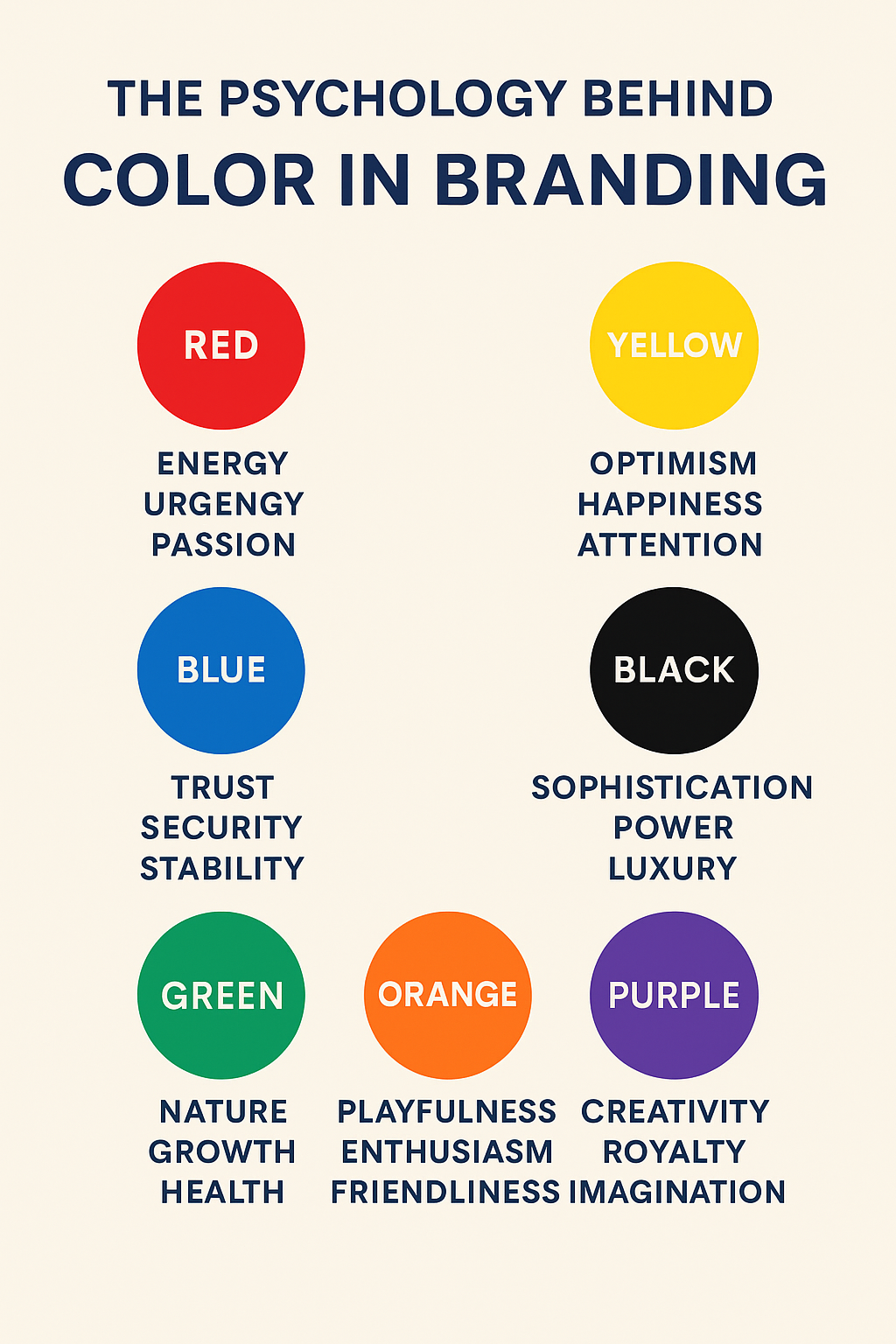
The Role of Storytelling in Branding: Why Your Brand Needs a Narrative In a digital world overflowing with content, facts, and features, what makes one brand stand out while another fades away? It’s not just product quality or pricing — it’s the story. Storytelling has become one of the most powerful tools in modern branding. From Apple to Nike to Airbnb, the most successful brands are not just selling products — they’re selling a story, a lifestyle, a belief system. In this article, we’ll explore the psychology behind storytelling, how it elevates your brand’s value, and how you can create a compelling brand narrative that sticks. Why Storytelling Works in Branding Humans are wired for stories. Neuroscience shows that storytelling engages more parts of the brain than simply listing information. A compelling narrative taps into emotions, builds memory, and drives action. When done right, storytelling in branding: Elements of a Powerful Brand Story A brand story isn’t a mission statement or an “About Us” paragraph — it’s a consistent narrative that flows through all your messaging and customer touchpoints. Here’s what it should include: 1. Origin Story Share how your brand started — the problem you set out to solve and the passion behind it. This builds authenticity and relatability. Example: TOMS Shoes was founded on a simple mission — for every pair sold, a pair would be donated to a child in need. 2. Core Values & Beliefs What do you stand for? Your values should be embedded in every campaign and customer interaction. 3. Customer as the Hero Your customer should be the protagonist of your story. You’re not the hero — you’re the guide that helps them achieve transformation. Think: “With our help, here’s how your life can change.” 4. Conflict & Resolution Great stories have tension. Show the challenge (the customer’s pain point) and how your brand provides the resolution. 5. Visual & Verbal Identity Your story should be reflected in your tone of voice, logo, colors, and visuals — creating a unified brand experience. Real-World Examples of Brand Storytelling Airbnb – “Belong Anywhere” Airbnb’s story centers around inclusivity and adventure. Their messaging always highlights the emotional side of travel — meeting new people, feeling at home anywhere. Nike – “Just Do It” Nike doesn’t sell shoes. It sells motivation, grit, and human potential. Every campaign tells the story of pushing limits and overcoming adversity. Warby Parker – “Eyewear with a Purpose” Their story is about disrupting the overpriced eyewear industry while providing glasses to those in need. How to Craft Your Brand’s Story FAQs 1. What’s the difference between marketing copy and brand storytelling?Marketing copy often focuses on features and benefits. Brand storytelling focuses on creating emotional resonance and long-term loyalty. 2. Can small businesses benefit from storytelling too?Absolutely. A relatable, authentic story is often more impactful coming from a small, passionate founder than a faceless corporation. 3. How do I know if my story is working?Measure engagement — are users responding, sharing, or referencing your story in conversations? High brand recall and loyalty often indicate a successful narrative. 4. Should my story evolve over time?Yes, as your business grows and the market changes, your story may need updates — but the core values should remain consistent. 5. What are common storytelling mistakes brands make?Being overly polished or inauthentic, focusing only on themselves (instead of the customer), or lacking consistency across channels. Final Thoughts Brand storytelling isn’t just a marketing tactic — it’s a foundational strategy that defines how people perceive your business. In an age where attention is scarce and choices are many, your story is your competitive edge. Tell it well, and your customers won’t just remember you — they’ll believe in you.