Marketing Strategy

How to Use Emojis in Marketing (Without Overdoing It)

How to Use Emojis in Marketing (Without Overdoing It)

Introduction: Why Emojis Matter in Modern Marketing Whether you’re 🤔 skeptical or already a 😎 fan, there’s no denying that emojis have become a language of their own in the digital world. From Gen Z to baby boomers, emojis are used daily across text messages, emails, social media, and yes—marketing campaigns. But using emojis effectively requires more than dropping a 🙌 or 🔥 into your message and hoping for results. If used strategically, emojis can: But overdo it—and you risk appearing unprofessional, off-brand, or worse: annoying. 👁️ The Psychology Behind Emojis Emojis mimic facial expressions and emotions, which instantly connect with our brain’s emotional center. Studies have shown that using emojis can: For marketers, this means you can: ✅ When (and Where) to Use Emojis Here are smart ways to integrate emojis into your marketing strategy: 1. Email Subject Lines Emojis can boost open rates by drawing attention in a crowded inbox. ✅ Use: “🔥 Last Chance to Grab Your Offer!”❌ Avoid: “🎉🎉🎉SALE🎉🎉🎉” (Too loud, too spammy) 2. Social Media Captions They enhance expressiveness and encourage engagement. Example: “Our new branding guide is live! 📘✨ Check it out.” 3. Push Notifications & SMS Marketing Emojis add brevity and emotion—ideal for mobile marketing. Example: “🚨 Sale ends tonight! Grab 50% off now.” 4. Blog Intros and Visual Content Emojis can visually guide the reader’s attention or highlight key ideas. 🚫 When NOT to Use Emojis 📊 What the Data Says 💡 Best Practices for Using Emojis in Marketing 🤔 FAQs on Emoji Marketing 1. Do emojis work for B2B marketing? Carefully and sparingly—yes. Use in less formal communications like newsletters or social posts. 2. Which emojis perform best in email subject lines? Popular performers include ✅ 🔥 ✨ 🚀 🎉, but relevance matters more than popularity. 3. Can emojis affect email deliverability? Overuse or using uncommon emojis might trigger spam filters. Stick to common, meaningful icons. 4. What’s the cultural impact of emojis? Different cultures interpret emojis differently. Be cautious with global campaigns. 5. Should emojis be part of my brand guidelines? Yes! Define which emojis align with your brand, tone, and use cases. Final Thoughts Emojis, when used thoughtfully, can add clarity, emotion, and personality to your marketing. They’re more than playful icons—they’re visual cues that resonate with today’s digital-first consumers. The key? Don’t overdo it. Let emojis complement your message, not compete with it. Like all powerful tools, their impact depends on the hands that wield them.
Read more
Email Deliverability: What You Need to Know

Email Deliverability: What You Need to Know

In email marketing, open rates, click-throughs, and conversions often take center stage. But there’s a behind-the-scenes player that determines whether your audience even sees your message—email deliverability. In simple terms, email deliverability refers to your ability to land emails in your subscribers’ inboxes rather than getting lost in the spam folder or blocked entirely. Ignoring it is like sending beautifully wrapped invitations that never arrive. What Is Email Deliverability? Email deliverability is the measure of how successfully an email message arrives in a recipient’s inbox. It’s different from email delivery, which only confirms the email was accepted by the recipient’s server—not that it landed in the inbox. Deliverability determines whether your message: Why Email Deliverability Matters If your deliverability is poor, even the most beautifully crafted email won’t get results. Here’s why it matters: 📊 Fact: According to Return Path, 1 in 5 emails never reaches the inbox. Key Factors That Influence Email Deliverability 1. Sender Reputation Internet Service Providers (ISPs) score your domain/IP based on engagement, complaint rates, and bounce history. 2. Email Authentication Use standards like: These prove you’re a trusted sender, not a spammer. 3. Engagement Rates Low open rates, high bounce rates, or frequent unsubscribes send negative signals to email providers. 4. Spam Triggers in Content Avoid using all caps, excessive exclamation marks, or spammy phrases like “FREE!!!” or “Act Now.” 5. List Quality Old, purchased, or unengaged lists can lead to spam complaints and hard bounces. 6. Sending Frequency Inconsistent or excessive emailing may result in recipients flagging your emails. Best Practices to Improve Email Deliverability Real Example: The Cost of Bad Deliverability A mid-size e-commerce company saw a 40% drop in revenue from emails over one quarter. After analysis, they discovered: After implementing basic deliverability protocols and cleaning their list, their inbox rate improved by 58%—and so did their sales. FAQs About Email Deliverability 1. What’s the difference between delivery and deliverability? Delivery = sent to the server. Deliverability = actually made it to the inbox. 2. How do I check my email deliverability? Use tools like Google Postmaster Tools, MXToolbox, or email marketing platforms with inbox testing features. 3. Why do my emails go to spam even with permission-based lists? This often results from poor content, bad sender reputation, or missing authentication. 4. How often should I clean my email list? Ideally, every 3–6 months. Remove unengaged users and bounce-prone addresses. 5. Can using images or emojis affect deliverability? Yes—overuse or improper formatting can trigger spam filters. Balance is key. Final Thoughts Email deliverability isn’t just a technical checkbox—it’s the lifeline of your email strategy. By focusing on building a clean, permission-based list, writing relevant content, and maintaining a good sender reputation, you ensure that your efforts aren’t wasted in the void of spam folders. The best campaigns in the world mean nothing if they’re never seen.

Read more
How to Set SMART Goals for Marketing Success

How to Set SMART Goals for Marketing Success

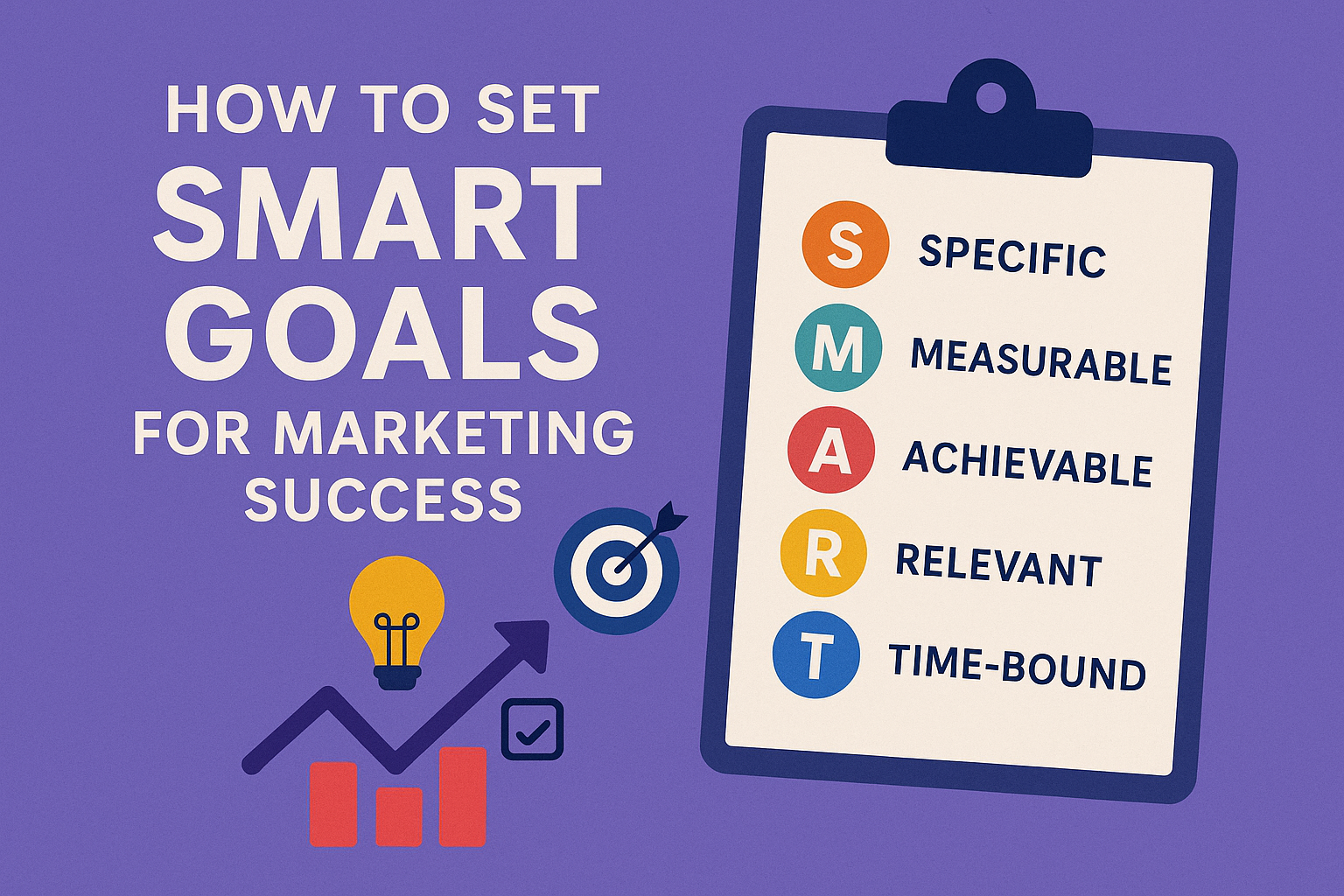
Introduction: Why SMART Goals Are a Marketer’s Secret Weapon In the fast-paced world of marketing—where campaigns compete for attention, budgets shift overnight, and trends evolve at lightning speed—goal setting isn’t just helpful, it’s essential. But vague goals like “get more followers” or “increase website traffic” won’t move the needle. What you need are SMART goals: objectives that are Specific, Measurable, Achievable, Relevant, and Time-bound. Whether you’re a startup founder planning your first campaign or a CMO overseeing multiple channels, SMART goals are the foundation of accountability, strategy, and measurable success. What Are SMART Goals? SMART is an acronym that stands for: These five principles help businesses define clear, strategic objectives that are actionable and results-driven. Let’s break them down: The 5 Elements of SMART Marketing Goals 1. Specific Goals must be clear and well-defined. Instead of saying, “We want to grow our social media,” aim for something like: “Increase our Instagram followers by 15% over the next 90 days.” 2. Measurable You need data points to evaluate your progress. Use metrics like click-through rates, email open rates, conversion rates, or cost per lead. ✔ Bad: “We want to improve our email marketing.”👍 Better: “Increase our average email open rate from 18% to 25% over the next two months.” 3. Achievable Set goals that are ambitious but attainable based on your resources. Unrealistic targets lead to frustration and burnout. Consider past data, team capacity, and current tools when setting expectations. 4. Relevant Make sure your goal aligns with broader business objectives. If your brand is prioritizing customer acquisition, focus on lead generation or trial sign-ups—not vanity metrics. 5. Time-bound Set a deadline. Without a clear time frame, there’s no urgency or accountability. Example: “Generate 1,000 qualified leads from Facebook Ads by the end of Q3.” Examples of SMART Marketing Goals Here’s how SMART goals look in real life: Why SMART Goals Drive Better Marketing Results How to Implement SMART Goals in Your Marketing Plan FAQs on SMART Marketing Goals 1. Can SMART goals be applied to content marketing? Yes! For example: “Publish 8 SEO-optimized blog posts that drive 5,000 unique visits in 60 days.” 2. What’s a common mistake marketers make with goal setting? Being too vague or unrealistic—like “go viral” or “double our revenue in a month.” 3. Do SMART goals apply to branding efforts too? Absolutely. Example: “Increase brand recall by 15% in Q4 through video ad campaigns.” 4. How many goals should a marketing team set? Focus on 3–5 key goals per quarter to stay strategic and manageable. 5. What tools can help track SMART goals? Google Analytics, HubSpot, Notion, Asana, Salesforce, and Excel dashboards are all helpful tools. Final Thoughts SMART goals aren’t just another business buzzword—they’re the strategic framework that separates busy marketing from impactful marketing. By setting goals that are specific, measurable, achievable, relevant, and time-bound, you ensure your campaigns don’t just run—they perform, scale, and succeed. Ready to take your marketing to the next level? Start with SMART goals—and watch the clarity, focus, and results follow.

Read more
The Role of Storytelling in Branding

The Role of Storytelling in Branding

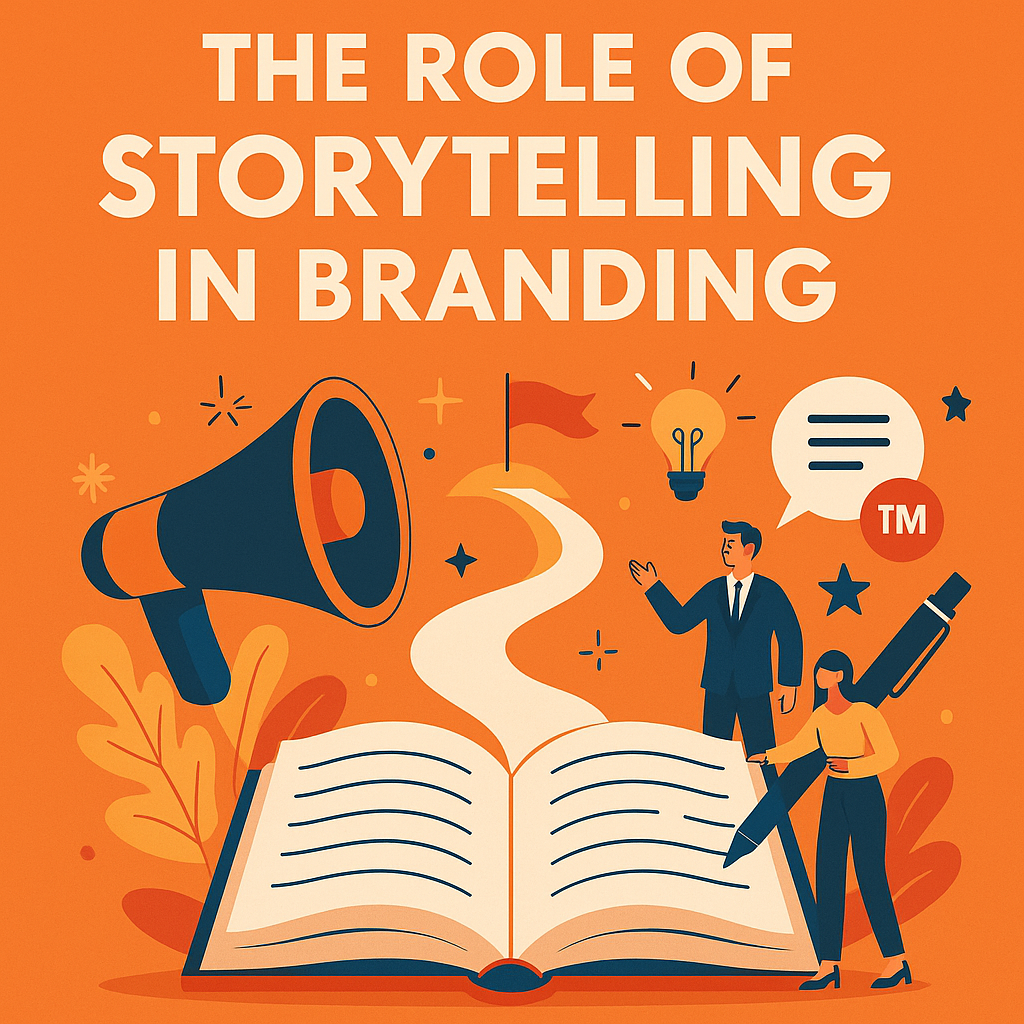
The Role of Storytelling in Branding: Why Your Brand Needs a Narrative In a digital world overflowing with content, facts, and features, what makes one brand stand out while another fades away? It’s not just product quality or pricing — it’s the story. Storytelling has become one of the most powerful tools in modern branding. From Apple to Nike to Airbnb, the most successful brands are not just selling products — they’re selling a story, a lifestyle, a belief system. In this article, we’ll explore the psychology behind storytelling, how it elevates your brand’s value, and how you can create a compelling brand narrative that sticks. Why Storytelling Works in Branding Humans are wired for stories. Neuroscience shows that storytelling engages more parts of the brain than simply listing information. A compelling narrative taps into emotions, builds memory, and drives action. When done right, storytelling in branding: Elements of a Powerful Brand Story A brand story isn’t a mission statement or an “About Us” paragraph — it’s a consistent narrative that flows through all your messaging and customer touchpoints. Here’s what it should include: 1. Origin Story Share how your brand started — the problem you set out to solve and the passion behind it. This builds authenticity and relatability. Example: TOMS Shoes was founded on a simple mission — for every pair sold, a pair would be donated to a child in need. 2. Core Values & Beliefs What do you stand for? Your values should be embedded in every campaign and customer interaction. 3. Customer as the Hero Your customer should be the protagonist of your story. You’re not the hero — you’re the guide that helps them achieve transformation. Think: “With our help, here’s how your life can change.” 4. Conflict & Resolution Great stories have tension. Show the challenge (the customer’s pain point) and how your brand provides the resolution. 5. Visual & Verbal Identity Your story should be reflected in your tone of voice, logo, colors, and visuals — creating a unified brand experience. Real-World Examples of Brand Storytelling Airbnb – “Belong Anywhere” Airbnb’s story centers around inclusivity and adventure. Their messaging always highlights the emotional side of travel — meeting new people, feeling at home anywhere. Nike – “Just Do It” Nike doesn’t sell shoes. It sells motivation, grit, and human potential. Every campaign tells the story of pushing limits and overcoming adversity. Warby Parker – “Eyewear with a Purpose” Their story is about disrupting the overpriced eyewear industry while providing glasses to those in need. How to Craft Your Brand’s Story FAQs 1. What’s the difference between marketing copy and brand storytelling?Marketing copy often focuses on features and benefits. Brand storytelling focuses on creating emotional resonance and long-term loyalty. 2. Can small businesses benefit from storytelling too?Absolutely. A relatable, authentic story is often more impactful coming from a small, passionate founder than a faceless corporation. 3. How do I know if my story is working?Measure engagement — are users responding, sharing, or referencing your story in conversations? High brand recall and loyalty often indicate a successful narrative. 4. Should my story evolve over time?Yes, as your business grows and the market changes, your story may need updates — but the core values should remain consistent. 5. What are common storytelling mistakes brands make?Being overly polished or inauthentic, focusing only on themselves (instead of the customer), or lacking consistency across channels. Final Thoughts Brand storytelling isn’t just a marketing tactic — it’s a foundational strategy that defines how people perceive your business. In an age where attention is scarce and choices are many, your story is your competitive edge. Tell it well, and your customers won’t just remember you — they’ll believe in you.

Read more
Advanced Email Segmentation Techniques

Advanced Email Segmentation Techniques

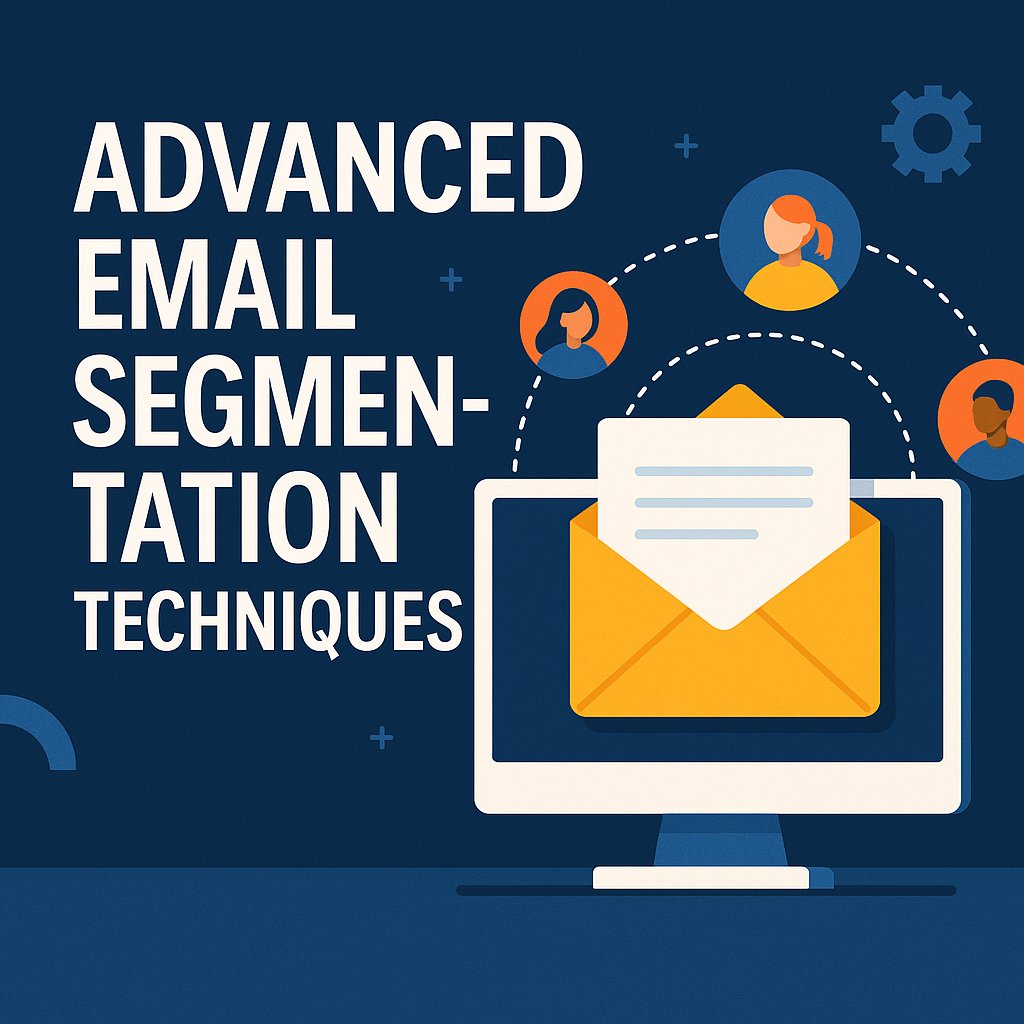
Advanced Email Segmentation Techniques to Boost Engagement and Conversions Email marketing is far from dead — in fact, it’s evolving. While many brands still rely on basic segmentation (like separating contacts by gender or age), leading marketers are tapping into advanced email segmentation techniques to personalize at scale and drive measurable business growth. In today’s article, we’ll explore how to level up your email segmentation strategy beyond the basics — diving into behavioral data, purchase history, real-time triggers, and more. Mastering these approaches means higher open rates, click-throughs, and conversions. Why Segmentation Matters More Than Ever Segmentation enables you to deliver the right message to the right person at the right time. Without it, your emails feel generic and irrelevant. According to Campaign Monitor, segmented campaigns can drive up to 760% more revenue than non-segmented ones. Advanced segmentation moves you from simply “targeting a list” to crafting campaigns that feel uniquely tailored to the recipient. 1. Behavior-Based Segmentation Segment users based on how they interact with your website, app, or previous emails. Examples: Why it works: You’re meeting users where they are in their journey — with messaging that matches their intent. 2. Lifecycle Stage Segmentation Identify where a subscriber is in the customer journey and adapt your messaging accordingly. Lifecycle segments include: Strategy: Use welcome series for new subscribers, loyalty offers for repeat customers, and win-back emails for those who haven’t engaged recently. 3. Purchase History & Frequency Dig into what customers have previously bought to suggest complementary products, upsell higher-value items, or send replenishment reminders. Tactics: This technique boosts cross-selling and customer lifetime value (CLV). 4. Predictive Segmentation Using AI Tools like HubSpot, Klaviyo, and Salesforce now offer AI-driven segmentation that predicts future behaviors, such as: Application: You can prioritize high-intent users with timely promotions or re-engage cold leads before they drop off entirely. 5. Engagement Level Segmentation Track email opens, click-through rates, and overall activity to segment: Why: Don’t bombard disengaged users. Instead, tailor reactivation or re-permission campaigns to reignite interest — or consider list cleaning to maintain deliverability. 6. Geographic and Time-Zone Segmentation Send emails when your audience is most likely to check them — in their local time zones. You can also customize messaging based on: 7. Device and Email Client Segmentation Analyze whether users check emails on mobile, desktop, or specific clients (e.g., Gmail, Outlook). Benefits: 8. Customer Value-Based Segmentation Group users by their revenue contribution or loyalty level. For instance: Actionable Tip: Treat your VIPs like royalty with early access or exclusive deals. Don’t waste your budget retargeting users who never convert. FAQs 1. What tools are best for advanced email segmentation?Platforms like Klaviyo, ActiveCampaign, Mailchimp, and HubSpot offer robust segmentation features. Many include pre-built behavioral filters and integrations with CRMs and eCommerce platforms. 2. How many segments should I create?There’s no “right” number. Start with 3–5 key segments and expand as your strategy matures. The goal is quality over quantity — don’t over-segment without a purpose. 3. What data do I need to implement advanced segmentation?You’ll need access to behavioral data, purchase history, engagement metrics, and demographic details. Integrating your CRM and analytics tools is key. 4. How can I test which segments perform best?Run A/B tests within each segment. For example, test subject lines or call-to-actions for high-spenders vs. first-time buyers to see what resonates most. 5. How do I maintain privacy while segmenting?Always comply with GDPR, CCPA, and email consent laws. Use anonymized data where possible, and be transparent with users about how their data is used. Final Thoughts Segmentation is no longer a “nice to have” — it’s a marketing must. By embracing advanced segmentation techniques, you’ll move beyond broad-based email blasts to precision-targeted campaigns that speak directly to your audience’s needs.

Read more
Using Customer Personas to Improve Marketing

Using Customer Personas to Improve Marketing

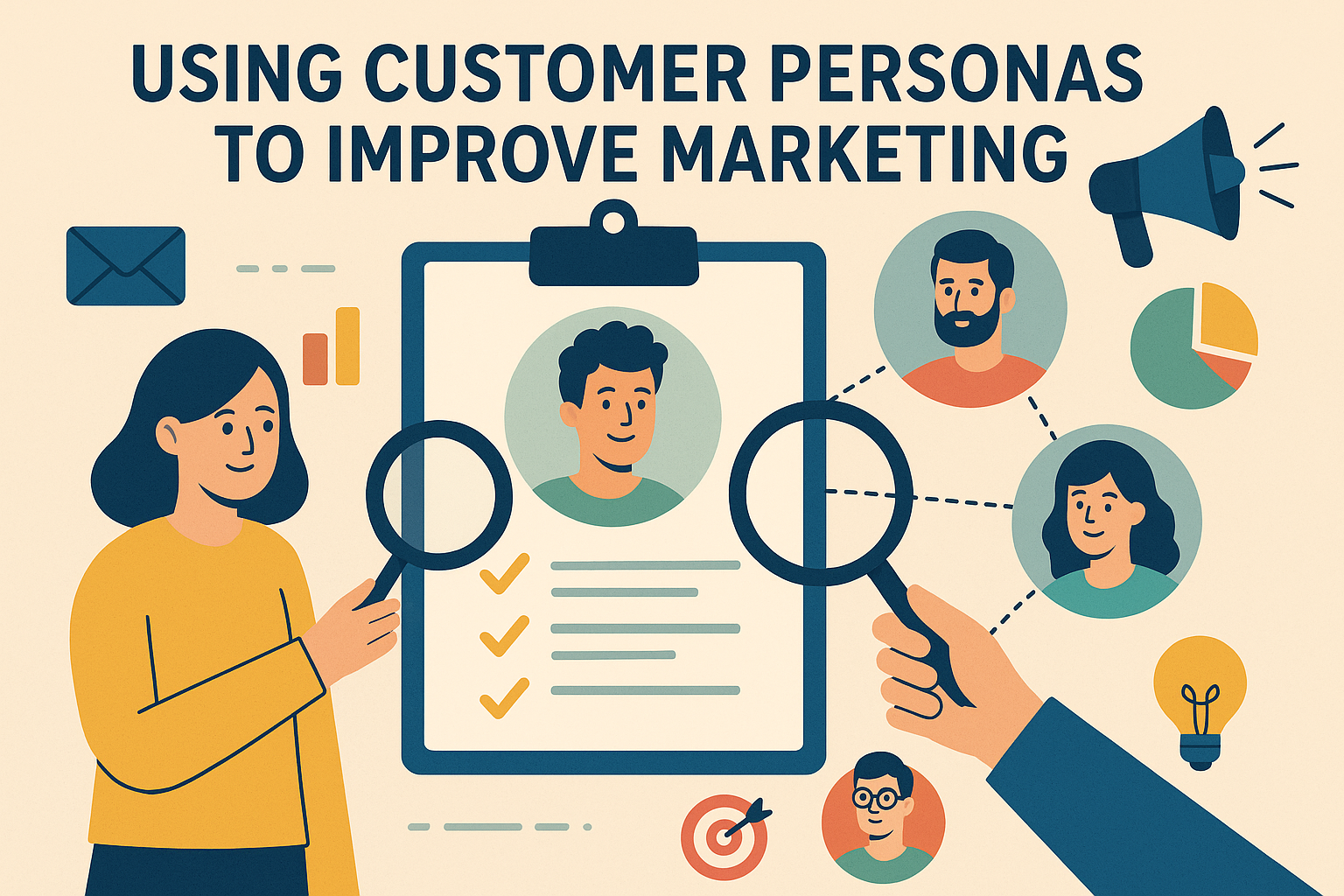
Using Customer Personas to Improve Marketing Strategy and Results In the age of hyper-personalization and data-driven decision-making, generic marketing messages no longer cut it. Brands need to speak directly to their audience — not just as a group, but as individual segments with specific needs, behaviors, and goals. That’s where customer personas come in. Customer personas, also known as buyer personas, are fictional yet research-based profiles that represent your ideal customers. When used effectively, they help marketers craft targeted campaigns, refine messaging, and build stronger relationships with customers. In this article, we’ll explore how to build and apply customer personas to boost your marketing performance. What Are Customer Personas? A customer persona is a semi-fictional representation of your ideal customer based on real data and educated assumptions. It includes demographic details, motivations, challenges, behaviors, and preferences. For example: “Freelance Fiona” is a 32-year-old graphic designer who values flexibility, uses Instagram to find inspiration, and prefers email newsletters over sales calls. Effective personas answer questions like: Why Are Customer Personas Important? 1. More Precise Targeting Customer personas let you speak to your audience’s exact needs, increasing relevance and engagement. Your messaging becomes less about guessing and more about delivering value. 2. Improved Product-Market Fit Understanding your personas ensures you’re creating products and services that solve real problems, not assumed ones. 3. Better Content Marketing Personas guide content creation — you’ll know which blog topics resonate, what social channels to use, and how to structure your message for maximum impact. 4. Enhanced Customer Journey Mapping Personas provide clarity on how different users interact with your brand at each touchpoint, helping you tailor campaigns across the buyer’s journey. How to Create a Customer Persona 1. Gather Data Use: 2. Segment Your Audience Group your customers by common characteristics — industry, role, behavior, or challenges. 3. Build the Persona Profile Include: 4. Validate with Stakeholders Align your personas with your sales, customer support, and product teams for a 360-degree view. Using Personas in Your Marketing Strategy FAQs 1. How many customer personas should a company create?Most companies start with 3–5 key personas. Enough to represent your main audience segments without becoming overwhelming. 2. How often should personas be updated?At least once a year or whenever there are significant shifts in customer behavior, market trends, or your business model. 3. Can small businesses benefit from using customer personas?Absolutely. Even one well-defined persona can drastically improve the effectiveness of a small business’s marketing. 4. Are customer personas only useful for B2C companies?No. B2B businesses also benefit by tailoring messaging to different roles, industries, and company sizes. 5. What’s the difference between a customer persona and a target market?A target market is a broad segment (e.g., “millennial professionals”), while a persona narrows it down to a specific, relatable character within that segment. Final Thoughts Customer personas are more than just marketing fluff — they’re strategic tools that empower businesses to make smarter, more informed decisions. When you understand your audience deeply, every campaign, message, and offer becomes more impactful.Customer Personas

Read more
How to Build a Brand Strategy from Scratch

How to Build a Brand Strategy from Scratch

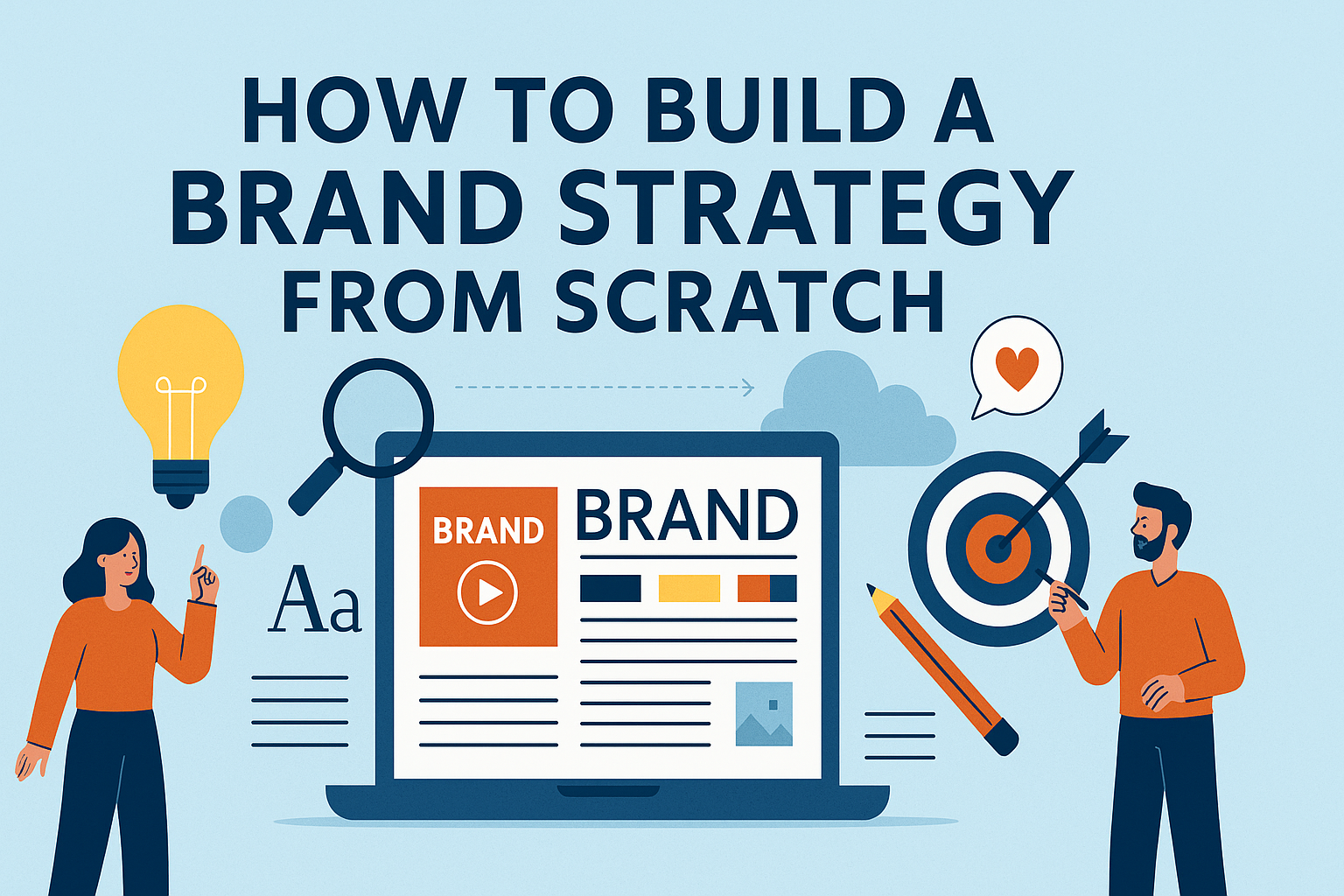
How to Build a Brand Strategy from Scratch: A Step-by-Step Guide In today’s competitive business environment, your brand is more than just your logo or a catchy tagline — it’s the complete experience your audience has with your company. Whether you’re launching a startup or refreshing an existing business, building a brand strategy from scratch is a foundational move that can define your market positioning and customer loyalty for years to come. In this comprehensive guide, you’ll learn how to develop a winning brand strategy that aligns with your vision, resonates with your audience, and sets you apart in the marketplace. Step 1: Define Your Brand Purpose and Vision Before designing anything, ask: Why does your brand exist? Your brand purpose should address not just what you do, but why you do it. This is your north star — the deeper motivation behind your company. Example: “To empower small businesses with simple, beautiful marketing tools.” Step 2: Know Your Audience Your brand must speak directly to the people you’re trying to serve. Conduct deep audience research to understand their goals, fears, challenges, and how your brand fits into their lives. Tip: Use tools like Google Analytics, surveys, and social media listening to gather insights. Step 3: Analyze the Market and Competitors Knowing what your competitors are doing helps you uncover opportunities and threats. Conduct a SWOT analysis and evaluate: Look for the white space — a positioning opportunity that is underserved. Step 4: Craft Your Brand Positioning Statement Your brand positioning is the internal compass for how you want to be perceived in the market. For [target audience], [brand] is the [category] that [unique value proposition], unlike [competitor] who [alternative]. This positioning becomes the root of your marketing messages, elevator pitch, and digital voice. Step 5: Develop Your Brand Voice and Messaging Your brand voice should reflect your personality — whether you’re professional, witty, bold, or empathetic. Keep it consistent across: Create a messaging framework that includes your tagline, elevator pitch, and tone-of-voice guidelines. Step 6: Design Your Visual Identity This includes: Visuals create a first impression. They should align with your brand personality and work across mediums from social media to packaging. Pro Tip: Document everything in a Brand Style Guide to maintain consistency. Step 7: Create a Brand Experience Across Channels Brand strategy extends to how people experience your brand: Think holistically — your brand must feel consistent whether a customer interacts with your email, Instagram, or a packaging box. Step 8: Evolve and Stay Consistent A brand strategy isn’t static. Review performance metrics, gather customer feedback, and be willing to evolve — but always remain true to your core purpose. Consistency builds recognition, and recognition builds trust. FAQs 1. How long does it take to build a brand strategy?It varies. For startups, it may take 1–2 months with proper research, design, and documentation. 2. Can I build a brand strategy without hiring an agency?Yes. Many businesses begin in-house, but working with branding experts can streamline the process and provide external perspective. 3. What are common mistakes when building a brand strategy?Lack of research, inconsistency in messaging, skipping audience insights, and poor visual alignment. 4. How do I measure the success of my brand strategy?Track KPIs such as brand awareness, customer retention, social media engagement, and Net Promoter Score (NPS). 5. What tools can help in brand strategy development?Canva (for visuals), HubSpot (CRM and marketing), Brandfolder (asset management), and Google Analytics (audience insights). Conclusion Building a brand strategy from scratch isn’t about chasing trends — it’s about defining who you are, what you stand for, and how you communicate that value to the world. It’s the blueprint that ensures your business is memorable, meaningful, and marketable.

Read more
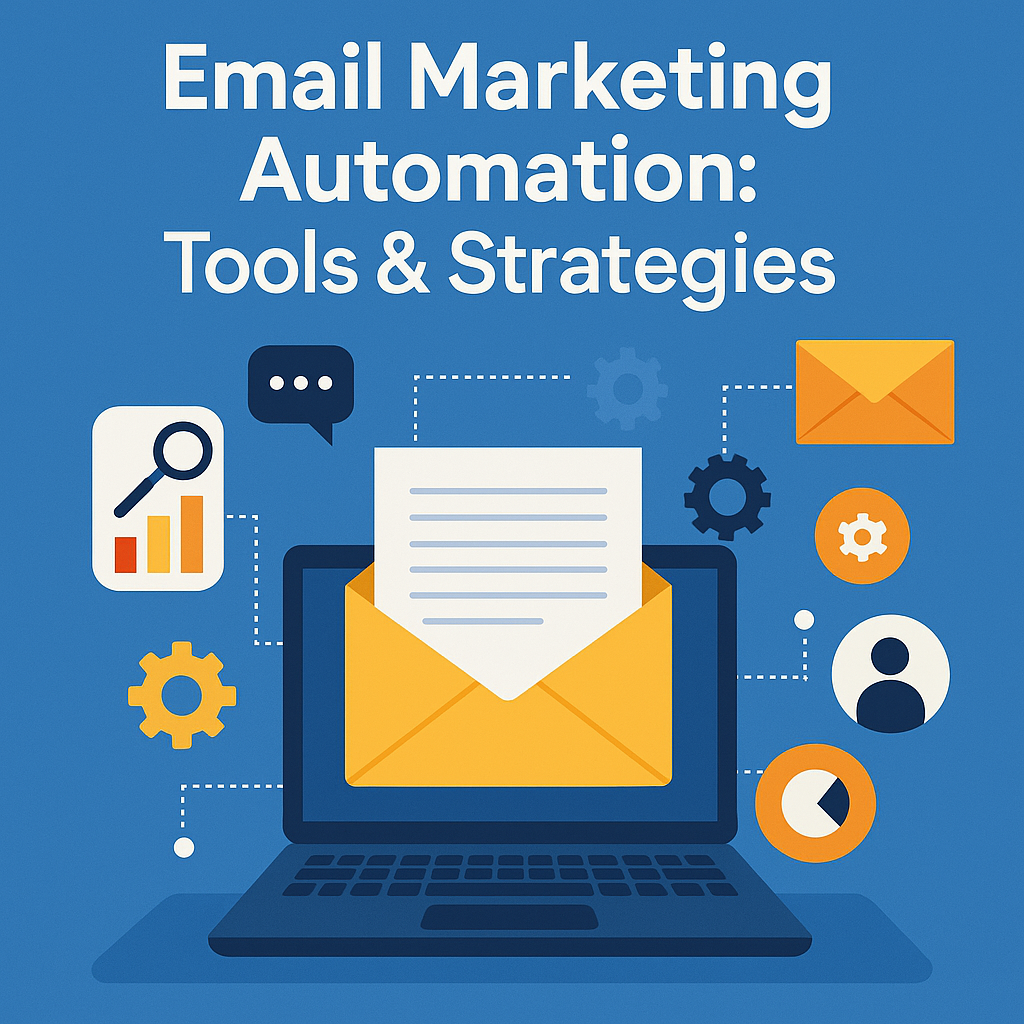
Email Marketing Automation: Tools & Strategies That Drive Results

Email Marketing Automation: Tools & Strategies That Drive Results

In today’s hyper-competitive digital landscape, brands that fail to automate their email marketing risk falling behind. As consumers demand timely, personalized communication, email automation has emerged as a cornerstone of modern marketing strategies. From nurturing leads to reactivating dormant customers, the power of email marketing automation lies in its ability to scale relationships while saving time and increasing ROI. This article delves deep into the tools and strategies essential for successful email marketing automation—and how businesses of all sizes can capitalize on them. What Is Email Marketing Automation? Email marketing automation refers to the process of sending targeted, timely, and personalized emails to subscribers using predefined triggers and workflows. Instead of manually sending emails to each contact, automation allows marketers to deliver the right message at the right time—automatically. Automation can be as simple as a welcome email series or as complex as multi-step behavioral sequences that adjust based on user actions. Why Email Automation Matters Top Email Marketing Automation Tools (2025 Edition) Effective Email Automation Strategies Tips to Maximize Automation Success FAQs About Email Marketing Automation 1. What’s the difference between email marketing and automation?Email marketing is the broader practice of using email to communicate with audiences. Automation involves setting up workflows and triggers to send emails automatically based on user actions or timelines. 2. Is automation suitable for small businesses?Yes. Tools like Mailchimp and ConvertKit make automation accessible and scalable for businesses of all sizes. 3. How can I personalize automated emails?Use dynamic fields, behavioral triggers, purchase history, and user preferences to deliver relevant content. 4. How do I measure automation success?Track open rates, click-throughs, conversion rates, revenue generated, and list growth metrics. 5. How often should I update my workflows?Review and optimize your workflows every quarter to adapt to audience behavior and campaign goals. Conclusion Email marketing automation is more than just a time-saving tool—it’s a powerful strategy to build customer relationships, drive conversions, and grow your brand. With the right tools and tactics in place, businesses can create intelligent campaigns that deliver measurable results while elevating the customer experience.

Read more
Creating a Brand Voice That Resonates: Why It Matters and How to Get It Right

Creating a Brand Voice That Resonates: Why It Matters and How to Get It Right

In an age saturated with digital noise, where thousands of brands vie for consumer attention across countless platforms, the brands that rise above the clutter do so not just with flashy visuals or viral campaigns—but with a voice that truly speaks to their audience. Brand voice is no longer just a “nice-to-have.” It’s a critical element of your identity, as important as your logo or product. It’s the consistent expression of your brand’s personality through words, tone, and messaging—across all channels. So, what does it take to build a brand voice that resonates deeply with your target audience? Why Brand Voice Matters How to Craft a Brand Voice That Resonates Real-World Examples 5 FAQs About Creating a Brand Voice 1. What is the difference between brand voice and tone?Voice is your brand’s consistent personality; tone is how that personality adapts to different contexts (e.g., serious in crisis, upbeat in promotions). 2. How do I know if my brand voice is working?Track engagement, feedback, and brand recall. High resonance usually leads to higher conversions and customer loyalty. 3. Can I use humor in my brand voice?Yes, if it fits your audience and product. Brands like Wendy’s and Old Spice use humor masterfully, but it must align with your brand identity. 4. Should startups prioritize brand voice early?Absolutely. A strong voice can make your brand memorable from the start and help you build a loyal community. 5. What if my audience changes over time?Your voice can evolve. Reevaluate annually to ensure it still aligns with your audience’s expectations and values.

Read more
Why Consistent Branding Builds Consumer Trust

Why Consistent Branding Builds Consumer Trust

In today’s fragmented digital landscape, consumers are bombarded with thousands of brand messages daily. In this chaos, consistency isn’t just a nice-to-have—it’s a brand survival strategy. Consistent branding creates familiarity, fosters credibility, and ultimately builds consumer trust. But what does it truly mean to have a consistent brand, and how does it influence buying decisions? This article explores the tangible impact of consistent branding and offers a roadmap for companies seeking to cultivate lasting trust in the minds of their customers. What Is Consistent Branding? Consistent branding means maintaining uniformity in messaging, visual identity, tone, and experience across all consumer touchpoints—whether it’s your website, social media, email newsletters, or packaging. Every interaction should reinforce the same brand values, personality, and mission. Why It Matters How to Achieve Brand Consistency 5 Frequently Asked Questions (FAQs) 1. How does consistent branding influence consumer behavior? Answer: It increases recognition and recall, which creates familiarity. This familiarity builds trust, making consumers more likely to choose your brand over others. 2. What are examples of companies with strong brand consistency? Answer: Brands like Apple, Coca-Cola, and Nike are renowned for their consistent visual identity and messaging, creating powerful emotional connections. 3. How do I measure brand consistency? Answer: Conduct brand audits, analyze customer feedback, and use brand perception surveys. Tools like SEMrush and Brandwatch can also monitor online sentiment. 4. Can small businesses benefit from consistent branding too? Answer: Absolutely. In fact, consistency can be a key differentiator for small businesses looking to compete with larger brands. 5. Is it ever okay to evolve your brand identity? Answer: Yes, but evolution should be strategic and gradual. Ensure that updates are rooted in brand values and communicated clearly to your audience. Final Thoughts Consistency in branding is more than a design or marketing discipline—it’s a trust-building mechanism. In a world where consumers are skeptical and spoiled for choice, building a brand they can recognize, relate to, and rely on is your most valuable asset.

Read more
Contact us

Full-Service Data & Email Marketing Agency

Turn your marketing communications into a sales powerhouse and increase revenue with full-service email marketing.

Email us at: info@connectdigitalventures.com

Your benefits:

What happens next?

1

We Schedule a call at your convenience 

2

We do a discovery and consulting meting 

3

We prepare a proposal 

Request a Free Sample/Campaign Demo