Digital Marketing

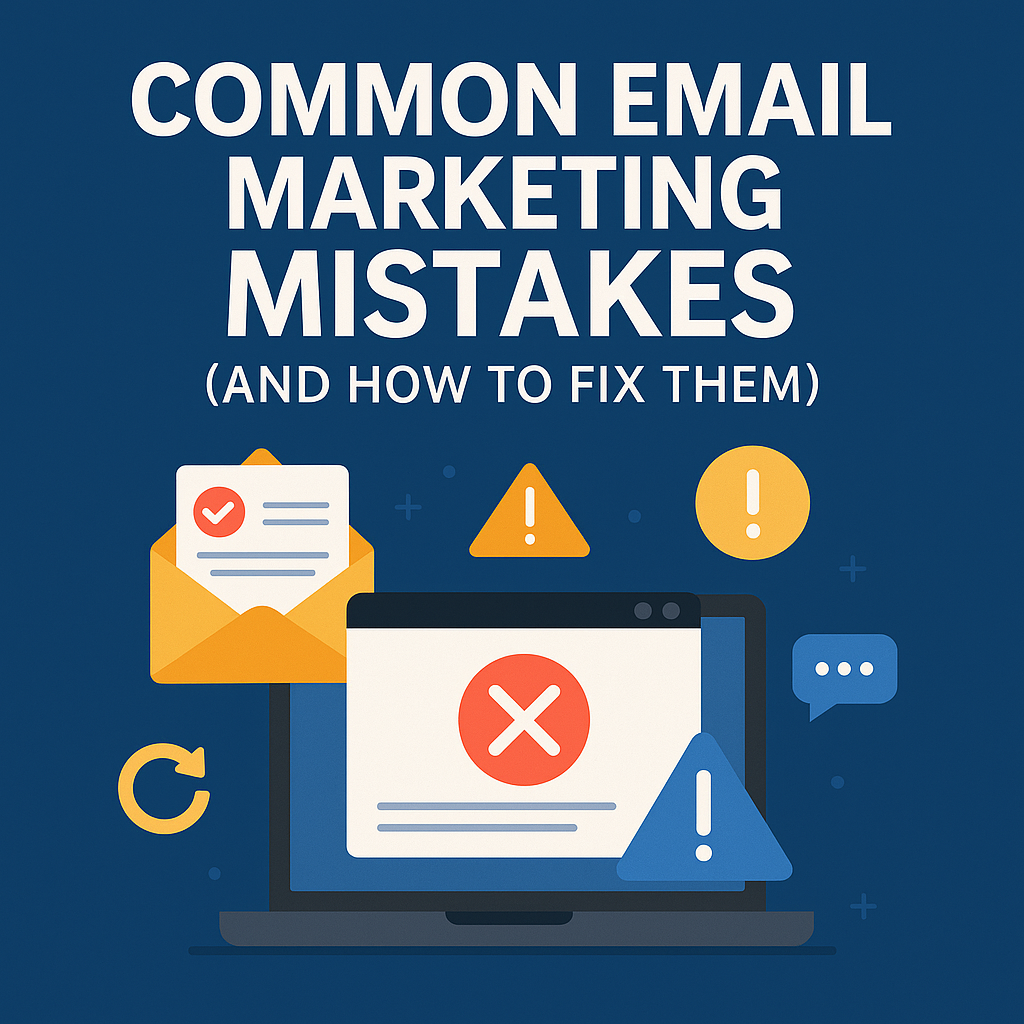
Common Email Marketing Mistakes (And How to Fix Them)

Common Email Marketing Mistakes (And How to Fix Them)

Email marketing is one of the most effective tools in your digital arsenal. When executed correctly, it builds relationships, nurtures leads, and drives conversions. Yet, even seasoned marketers can make critical errors that weaken performance. Below, we break down the most common email marketing mistakes—and more importantly, how to fix them. 1. Ignoring List Segmentation The Mistake:Sending the same email to your entire list without considering user behavior, demographics, or stage in the customer journey. Why It’s a Problem:One-size-fits-all messaging rarely resonates. It leads to lower open rates, reduced engagement, and higher unsubscribe rates. The Fix:Segment your list based on data such as purchase history, interests, and engagement levels. Tailor your content for each segment to boost relevance and performance. 2. Weak Subject Lines The Mistake:Using vague, generic, or overly promotional subject lines. Why It’s a Problem:Subject lines are your email’s first impression. If it doesn’t grab attention, your email may never get opened. The Fix:Test subject lines using A/B testing. Keep them short, benefit-driven, and aligned with the content inside. Incorporate curiosity, personalization, and urgency where relevant. 3. Neglecting Mobile Optimization The Mistake:Designing emails that look great on desktop but break or are hard to read on mobile devices. Why It’s a Problem:More than half of emails are opened on mobile devices. Poor formatting leads to immediate deletions. The Fix:Use responsive design. Keep text concise, images properly sized, and CTAs (calls to action) thumb-friendly. Always preview your email across devices. 4. Overlooking Analytics The Mistake:Sending emails without reviewing past performance metrics like open rate, click-through rate, and bounce rate. Why It’s a Problem:You miss out on valuable insights that can drive improvements and ROI. The Fix:Regularly analyze your campaigns. Use analytics tools to understand what works and what doesn’t. Adjust frequency, timing, and content strategy based on the data. 5. Lack of a Clear CTA The Mistake:Failing to guide readers with a clear, actionable next step. Why It’s a Problem:If subscribers don’t know what to do next, your email fails to convert—even if it’s opened and read. The Fix:Use a single, focused CTA. Whether it’s “Shop Now,” “Download the Guide,” or “Book a Call,” make it visible, compelling, and relevant. Final Thoughts Great email marketing isn’t about volume—it’s about precision. By avoiding these common mistakes and continuously refining your approach, you’ll build stronger connections, drive better results, and maximize your ROI. FAQs 1. What’s the biggest email marketing mistake most businesses make?Not segmenting their list. It’s the foundation of relevance and engagement. 2. How often should I send marketing emails?It depends on your audience and offering. Test frequency and monitor unsubscribe and engagement rates. 3. What tools can help prevent email mistakes?Platforms like Mailchimp, Klaviyo, and HubSpot offer automation, analytics, and testing tools to improve campaign quality. 4. How important is personalization in email marketing?Extremely. Personalized emails deliver higher open and click-through rates. Even small touches, like using a subscriber’s first name, matter. 5. How do I improve my email open rates?Optimize your subject lines, send time, sender name, and list quality. A/B testing helps determine what works best for your audience.

Read more
How to Align Social Media with Your Brand Strategy

How to Align Social Media with Your Brand Strategy

In today’s digital-first world, your brand doesn’t just live in your logo or website — it thrives (or dies) across social platforms. Social media has evolved into more than a promotional tool; it’s the front line of customer engagement and brand perception. Yet, many brands stumble by treating social media as an afterthought rather than an integral part of their branding strategy. So how do you ensure your social media presence reflects your core brand values and amplifies your business goals? Here’s a deep dive into aligning your social media channels with your overarching brand strategy. Why Alignment Matters Consistency breeds trust. A brand that communicates cohesively across all channels — from website to Instagram — cultivates stronger recognition, credibility, and loyalty. When your audience encounters mismatched messaging, tone, or visuals, it can confuse or alienate them. Proper alignment ensures that: 1. Define Your Core Brand Elements Before diving into posting schedules or hashtags, you need clarity on your brand’s identity. Ask yourself: Document these in a brand book and use them as the north star for all content creation. 2. Choose the Right Platforms Not every social media platform is suitable for every brand. Instead of spreading yourself thin, focus on platforms where your audience already spends time. For example: Your strategy should dictate your platforms — not the other way around. 3. Create a Social Media Style Guide Translate your brand book into a tailored social media style guide that includes: This guide ensures every post, reel, or tweet aligns with your brand identity. 4. Map Content to Business Goals Every piece of content should serve a purpose. Tie your social content to objectives such as: Use content pillars that reflect your brand’s core messages, and rotate through them for consistency and variety. 5. Leverage Brand Storytelling Brand storytelling humanizes your company. Use customer testimonials, founder stories, behind-the-scenes videos, or team highlights to tell authentic stories that reinforce your values and build trust. 6. Monitor and Adapt Use analytics tools to track what’s working. Key metrics include: Monitor sentiment, test content types, and refine your approach. Alignment isn’t static — it evolves with your audience and brand. Final Thoughts Aligning your social media with your brand strategy isn’t a one-time task — it’s an ongoing process. With strategic alignment, your social platforms become powerful channels for connection, conversion, and community building. FAQs 1. Why is it important to align social media with brand strategy?It ensures consistency across all customer touchpoints, builds trust, and reinforces your brand’s message effectively. 2. How do I know which social platforms are right for my brand?Start by identifying where your target audience spends time and choose platforms that align with your content type and goals. 3. Should small businesses invest in social media branding?Absolutely. Social media offers a cost-effective way to build brand awareness, credibility, and customer relationships. 4. How often should I post to stay consistent?It depends on the platform, but consistency is key. Create a social media calendar and stick to a schedule that you can maintain. 5. What tools help in aligning social media with branding?Tools like Canva (for design), Hootsuite or Buffer (for scheduling), and Google Analytics or Meta Insights (for tracking) are essential.

Read more
Top Metrics to Track in Google and Meta Ads Campaigns

Top Metrics to Track in Google and Meta Ads Campaigns

In today’s competitive digital advertising landscape, running campaigns on Google and Meta (Facebook and Instagram) is essential—but what truly determines their success? The answer lies in the metrics. Tracking the right key performance indicators (KPIs) helps advertisers optimize strategy, allocate budgets wisely, and most importantly, drive conversions. If you want measurable growth from your campaigns, you need to know exactly what to monitor. Here’s a comprehensive look at the most critical metrics you should track in Google and Meta Ads campaigns. 1. Click-Through Rate (CTR) CTR is the percentage of users who click your ad after seeing it. It’s a strong indicator of how compelling your ad copy, image, or offer is. A higher CTR often correlates with a better Quality Score in Google and lower ad costs in Meta. Formula: (Clicks ÷ Impressions) × 100 2. Cost Per Click (CPC) This is the amount you pay each time someone clicks on your ad. Keeping CPC low while maintaining conversion quality is essential for ROI. 3. Conversion Rate Conversion rate measures the percentage of users who take a desired action after clicking your ad—like making a purchase or filling out a form. High conversion rates often mean that your landing page experience aligns well with the ad. Formula: (Conversions ÷ Clicks) × 100 4. Cost Per Conversion (CPA) CPA tells you how much you’re spending to acquire a single lead or sale. It’s vital for calculating your return on ad spend (ROAS) and ensuring profitability. Goal: Keep CPA lower than the lifetime value (LTV) of a customer. 5. Impressions & Reach These awareness metrics help assess brand visibility and campaign saturation. 6. Ad Frequency This metric tells you how many times a person sees your ad on average. High frequency can lead to ad fatigue and reduced effectiveness. Best Practice: Maintain frequency below 3 for most Meta campaigns. 7. Engagement Metrics (Meta Ads) Meta Ads provide detailed engagement insights like likes, shares, comments, and video views. These metrics help assess creative resonance and audience interest. 8. Quality Score (Google Ads) Google assigns a Quality Score to keywords based on expected CTR, ad relevance, and landing page experience. Higher scores reduce CPC and improve ad placement. 9. Return on Ad Spend (ROAS) ROAS shows the revenue you earn for every dollar spent on ads. It’s a direct indicator of campaign profitability. Formula: (Revenue from Ads ÷ Cost of Ads) 10. Bounce Rate & Time on Page These are tracked through your website analytics and indicate how well your landing page retains visitors. A high bounce rate might suggest a disconnect between the ad and the page content. FAQs 1. How do I choose which metrics to prioritize? Start by aligning your metrics with your campaign goals. If your goal is sales, focus on conversion rate and ROAS. For awareness, impressions and reach are more important. 2. What’s a good benchmark CTR for Google and Meta Ads? It varies by industry, but a CTR of 2-5% is considered healthy on Google. On Meta, anything above 1% can be a strong performer. 3. Why is ROAS more important than CPC? Because CPC only tells you cost, not return. ROAS considers both cost and revenue, providing a full picture of profitability. 4. Can I track offline conversions with Meta or Google Ads? Yes. Both platforms allow you to import offline conversions using tools like Google’s offline conversion tracking or Meta’s Conversions API. 5. How often should I analyze ad performance? Daily reviews are good for active campaigns, but deep analysis should be done weekly or bi-weekly to identify trends and make informed decisions. Final Thoughts Tracking the right metrics in Google and Meta Ads is not just about collecting data—it’s about making data work for your business. From CTR and CPC to ROAS and Quality Score, each metric tells a story. By understanding and leveraging these insights, marketers can craft smarter campaigns that drive real, measurable growth. Whether you’re scaling a startup or optimizing a corporate campaign, metrics are your compass. Use them wisely.

Read more
Email Marketing Automation: Tools & Strategies That Drive Results

Email Marketing Automation: Tools & Strategies That Drive Results

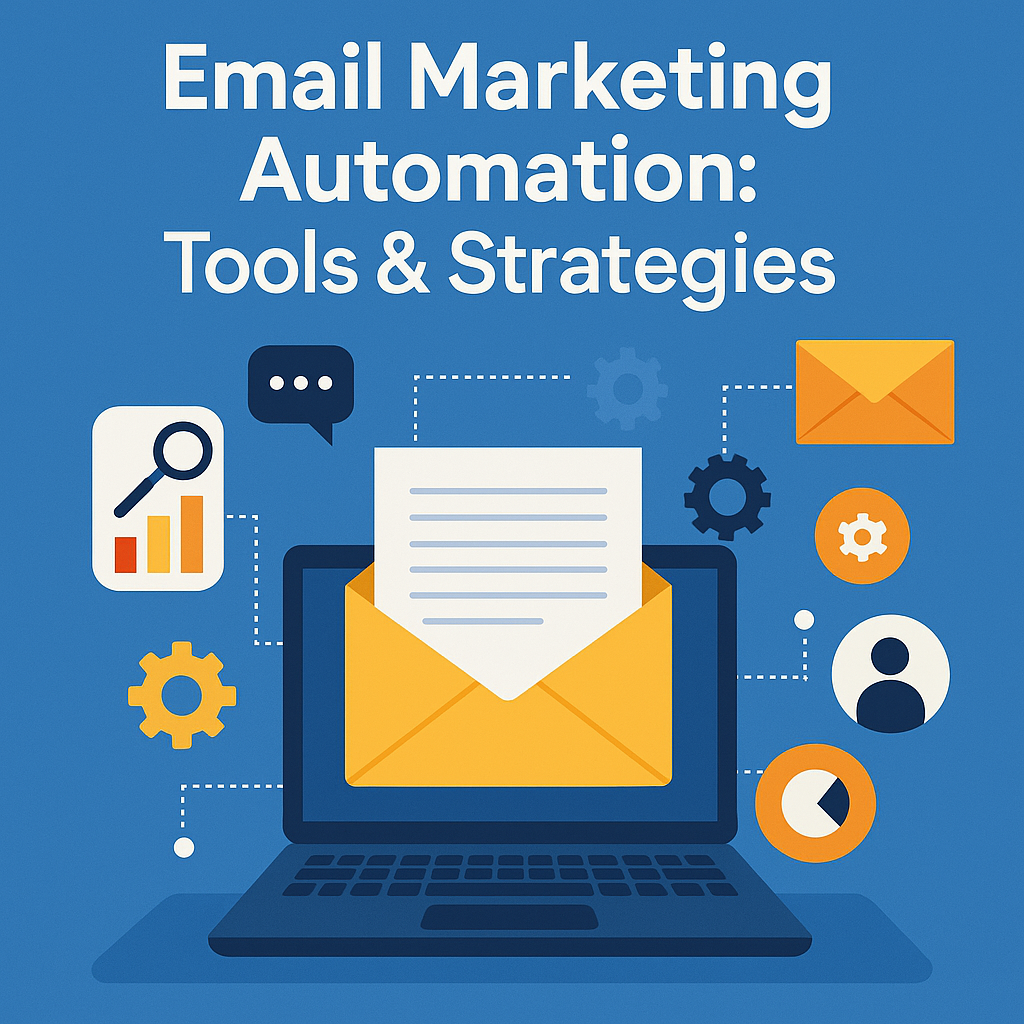
In today’s hyper-competitive digital landscape, brands that fail to automate their email marketing risk falling behind. As consumers demand timely, personalized communication, email automation has emerged as a cornerstone of modern marketing strategies. From nurturing leads to reactivating dormant customers, the power of email marketing automation lies in its ability to scale relationships while saving time and increasing ROI. This article delves deep into the tools and strategies essential for successful email marketing automation—and how businesses of all sizes can capitalize on them. What Is Email Marketing Automation? Email marketing automation refers to the process of sending targeted, timely, and personalized emails to subscribers using predefined triggers and workflows. Instead of manually sending emails to each contact, automation allows marketers to deliver the right message at the right time—automatically. Automation can be as simple as a welcome email series or as complex as multi-step behavioral sequences that adjust based on user actions. Why Email Automation Matters Top Email Marketing Automation Tools (2025 Edition) Effective Email Automation Strategies Tips to Maximize Automation Success FAQs About Email Marketing Automation 1. What’s the difference between email marketing and automation?Email marketing is the broader practice of using email to communicate with audiences. Automation involves setting up workflows and triggers to send emails automatically based on user actions or timelines. 2. Is automation suitable for small businesses?Yes. Tools like Mailchimp and ConvertKit make automation accessible and scalable for businesses of all sizes. 3. How can I personalize automated emails?Use dynamic fields, behavioral triggers, purchase history, and user preferences to deliver relevant content. 4. How do I measure automation success?Track open rates, click-throughs, conversion rates, revenue generated, and list growth metrics. 5. How often should I update my workflows?Review and optimize your workflows every quarter to adapt to audience behavior and campaign goals. Conclusion Email marketing automation is more than just a time-saving tool—it’s a powerful strategy to build customer relationships, drive conversions, and grow your brand. With the right tools and tactics in place, businesses can create intelligent campaigns that deliver measurable results while elevating the customer experience.

Read more
How Performance Marketing Drives Measurable Growth

How Performance Marketing Drives Measurable Growth

In the ever-evolving digital landscape, businesses are constantly on the hunt for marketing strategies that not only attract attention but deliver measurable results. Enter performance marketing — a results-driven approach that aligns advertising costs directly with success metrics such as clicks, leads, and conversions. Unlike traditional marketing models that require heavy upfront investment without guaranteed ROI, performance marketing flips the script. You only pay for what works. What Is Performance Marketing? Performance marketing is a digital advertising strategy where brands only pay marketing service providers when specific actions — like a sale, lead, or click — are completed. It encompasses several online marketing channels, such as: This method is particularly powerful for small and mid-sized businesses seeking accountability, agility, and efficiency in their advertising efforts. Key Benefits of Performance Marketing 1. Trackable ROI Everything is measurable — from impressions to sales. Marketers can monitor and optimize every element of a campaign in real-time. 2. Lower Risk You pay only when a desired action occurs, reducing wasted ad spend. 3. Scalable Campaigns As campaigns prove successful, they can be scaled quickly with real-time analytics guiding each move. 4. Data-Driven Optimization Campaigns are continuously improved based on performance data, not gut instinct. 5. Budget Flexibility You can set clear budget limits and reallocate funds across top-performing channels. Popular Performance Marketing Channels Channel Ideal For Metrics Tracked Affiliate Marketing E-commerce, SaaS Sales, Referrals Search Ads (PPC) Local services, product sales Clicks, CTR, Conversions Social Ads Brand awareness, product promotion Engagements, Leads Influencer Marketing Niche markets, product launches Conversions, Traffic Native Ads Long-form content, editorial integrations Time on page, CTR 5 Actionable Tips to Start with Performance Marketing 5 FAQs on Performance Marketing 1. What makes performance marketing different from traditional marketing? Traditional marketing focuses on impressions and awareness, while performance marketing is based on specific, trackable outcomes like sales or leads. 2. Is performance marketing suitable for small businesses? Absolutely. It’s budget-friendly and risk-averse, making it ideal for startups and SMBs seeking measurable growth. 3. How do I track results effectively? Use tools like Google Analytics, Meta Ads Manager, or HubSpot to track metrics in real-time. 4. What budget should I start with? Start small, test multiple creatives, and allocate more budget to top-performing campaigns. 5. What are the biggest mistakes in performance marketing? Not setting clear KPIs, neglecting data analysis, and underestimating creative testing are common errors. Final Thoughts Performance marketing is the smart marketer’s secret weapon — efficient, data-rich, and ROI-focused. In today’s economy, where every dollar must prove its worth, performance marketing not only helps brands reach their audience but also ensures that every interaction counts. If you’re ready to scale your brand with smarter, accountable advertising, performance marketing might just be your next big move.

Read more
Social Media Trends to Watch in 2025

Social Media Trends to Watch in 2025

As the digital landscape continues to evolve at lightning speed, staying ahead of emerging trends is more important than ever for marketers, businesses, and creators alike. In 2025, social media will be shaped by the convergence of artificial intelligence, immersive experiences, privacy-first strategies, and hyper-personalization. Here’s what you need to know to future-proof your social strategy. 1. AI-Generated Content Becomes the Norm AI-powered tools are now generating everything from captions to entire video scripts. In 2025, expect brands to rely more heavily on AI to streamline content creation, improve consistency, and scale efforts across platforms. Why it matters:This shift allows brands to maintain constant engagement without sacrificing quality—especially when paired with human creativity for a refined touch. 2. Rise of “Micro-Influencers 2.0” While influencers have been around for years, 2025 will see the emergence of niche, highly-engaged micro-communities. Brands will invest in long-term relationships with micro-influencers who hold significant sway in specific verticals. Why it matters:These partnerships drive higher engagement and trust, making campaigns more effective and budget-friendly. 3. Social Commerce Gets Smarter Platforms like Instagram, TikTok, and Pinterest are building native shopping features backed by AI and machine learning. Product discovery will feel seamless and personalized based on user behavior and preferences. Why it matters:It blurs the line between entertainment and eCommerce, turning passive scrollers into active buyers. 4. More Immersive Experiences with AR and VR Augmented Reality (AR) filters and Virtual Reality (VR) meetups are poised to redefine user interaction. Social media platforms will become immersive playgrounds where users can experience products, events, and content in 3D. Why it matters:This fosters deeper emotional connections between brands and users, especially in sectors like fashion, real estate, and education. 5. Privacy-First Algorithms With rising user concern around data usage, platforms are leaning into transparency and giving users greater control. Expect privacy-first algorithms that balance personalization with ethical data practices. Why it matters:Brands that demonstrate trustworthiness and data respect will win long-term loyalty. 5 Frequently Asked Questions (FAQs) 1. Why should businesses care about social media trends? Trends influence platform algorithms, content performance, and audience expectations. Adapting early ensures relevance and competitiveness. 2. How can I prepare my brand for these trends? Start by auditing your current strategy, adopting flexible tools, and investing in education around AI, immersive media, and data privacy. 3. Are traditional influencers still relevant in 2025? Yes, but brands will prioritize authentic, niche voices over mass-following celebrities for better engagement and ROI. 4. What’s the biggest risk of not adapting to 2025 trends? Falling behind in visibility, engagement, and trust. Consumers will gravitate to brands that “get” their evolving digital behaviors. 5. How do AR/VR trends apply to small businesses? Simple AR filters, virtual product demos, or 3D posts can boost interactivity—no massive budget needed. Many platforms now offer accessible creation tools. Final Thoughts 2025 will be a defining year for social media. The brands that embrace innovation, build authentic relationships, and respect user privacy will lead the conversation. Whether you’re a solo creator or a Fortune 500 company, now is the time to align your strategy with these future-focused trends. Let your content not just follow trends—but shape them.

Read more
How to Use Analytics to Improve Email Campaign Performance

How to Use Analytics to Improve Email Campaign Performance

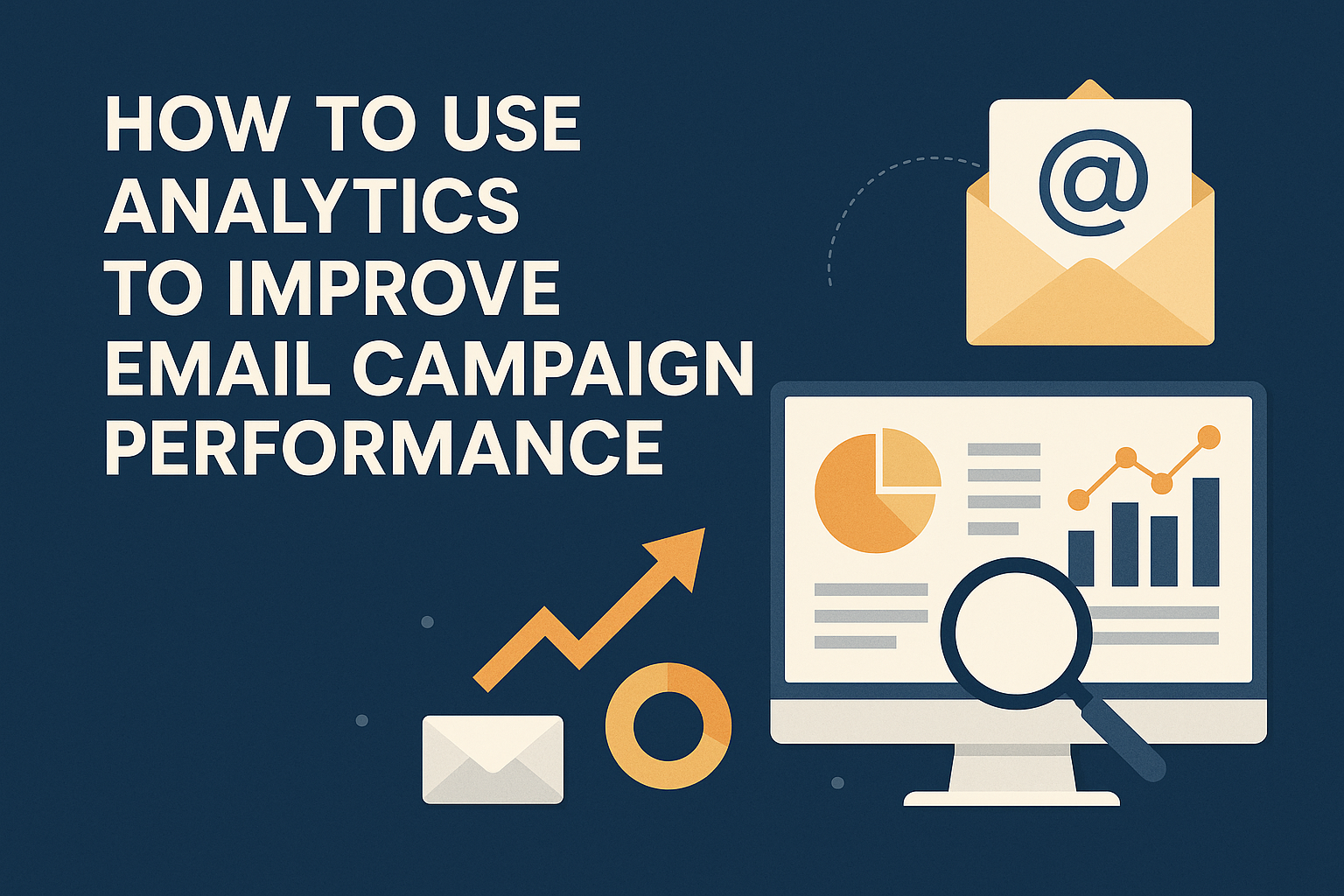
In the ever-competitive digital marketing space, understanding the numbers behind your email campaigns can make or break your strategy. Analytics isn’t just about tracking opens and clicks — it’s about decoding behavior, identifying bottlenecks, and strategically refining your communication for maximum impact. Whether you’re sending newsletters, promotional blasts, or onboarding sequences, mastering email analytics can elevate your results, improve ROI, and fine-tune your audience engagement. Why Email Analytics Matter Analytics give marketers the tools to measure success, diagnose issues, and test improvements. Rather than relying on assumptions, data empowers email marketers to: Key Metrics That Matter Here are the core performance indicators to monitor: Strategies to Leverage Analytics for Improvement FAQs 1. What are the most important metrics to track in email campaigns?Open rate, click-through rate, conversion rate, bounce rate, and unsubscribe rate are the most essential indicators. 2. How can I improve a low open rate?Optimize your subject lines, send at ideal times, and ensure you’re not ending up in spam folders. 3. What tools can help analyze email campaigns effectively?Popular tools include Mailchimp, ActiveCampaign, Klaviyo, and Google Analytics (via UTM tracking). 4. How often should I analyze email performance?Ideally, review analytics after each campaign, but conduct monthly reviews for long-term insights and strategy refinement. 5. Can analytics help reduce unsubscribes?Absolutely. Understanding why users disengage helps adjust frequency, content, and targeting for better retention.

Read more
Google vs Meta Ads Where Should You Invest

Google vs. Meta Ads: Where Should You Invest?

In the ever-evolving digital marketing landscape, choosing the right ad platform can make or break your campaign’s success. Two titans—Google and Meta (formerly Facebook)—dominate the advertising ecosystem. Each offers unique benefits, features, and targeting capabilities, but which is the better investment for your business? Let’s break down the key differences, pros and cons, and use cases to help you make an informed decision. 1. Audience Intent and Reach Google Ads primarily target users with high intent. People actively search for solutions, products, or services. If someone types “best CRM software,” they’re likely close to making a purchase. Meta Ads, on the other hand, are about discovery. Ads appear while users scroll through Facebook or Instagram, making them more effective for brand awareness and top-of-funnel campaigns. ✅ Google Ads = High buyer intent✅ Meta Ads = Exceptional audience reach and engagement 2. Targeting Capabilities Meta excels at demographic and psychographic targeting—interests, behaviors, and connections. You can reach highly specific audience segments. Google relies more on keywords, device type, and demographics, and has enhanced targeting through its Display Network and YouTube Ads. ✅ Meta Ads = Sophisticated social targeting✅ Google Ads = Powerful keyword and contextual targeting 3. Cost-Effectiveness and ROI Meta Ads generally offer lower CPCs (cost per click) but might have lower conversion intent. Google Ads might be pricier per click, but conversions often come faster. You’ll need to weigh volume vs. quality: 4. Ad Formats and Creative Meta Ads support eye-catching visual formats: carousels, reels, videos, stories. Great for brands with strong creative assets. Google Ads offer text, shopping, video (via YouTube), and responsive display ads. Great for businesses with structured products/services. ✅ Meta = Visual and engaging✅ Google = Functional and transactional 5. Analytics and Optimization Both platforms offer robust analytics dashboards. A/B testing, custom audiences, conversion tracking, and retargeting are available on both—so optimization is in your hands. So, Where Should You Invest? Choose Google Ads if: Choose Meta Ads if: Best practice? Run both and analyze the results. Often, the most effective strategy is an omnichannel approach. FAQs 1. Which platform is cheaper—Google or Meta Ads? Meta generally offers lower CPCs, but Google can deliver higher-intent leads, making ROI potentially better depending on goals. 2. Can I run both Google and Meta Ads simultaneously? Absolutely. Running both allows you to engage users at different stages of the buying journey—from awareness to conversion. 3. What type of business benefits more from Meta Ads? B2C, lifestyle, fashion, entertainment, and visually appealing products/services often perform better on Meta platforms. 4. Are Google Ads better for local businesses? Yes. With location targeting and search intent, Google Ads can drive traffic to local stores and services effectively. 5. How should I measure performance between both platforms? Use platform-specific analytics along with tools like Google Analytics, UTM tracking, and CRM data to compare cost-per-acquisition (CPA), conversion rate, and customer LTV.

Read more
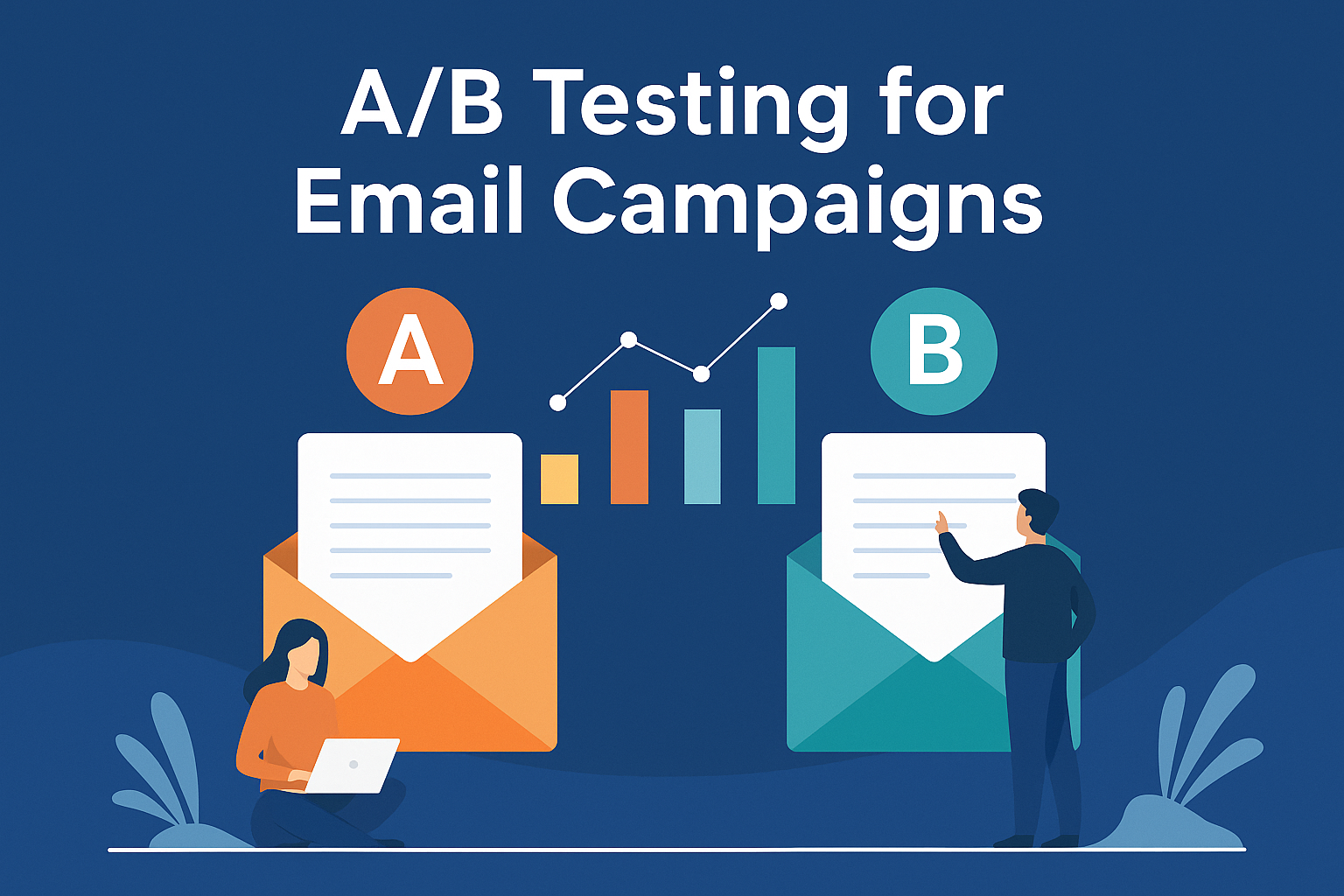
A/B Testing for Email Campaigns: How to Do It Right

A/B Testing for Email Campaigns: How to Do It Right

Introduction In the world of email marketing, success is never guaranteed—but it can be optimized. That’s where A/B testing comes in. Also known as split testing, this method allows marketers to test two variations of an email against each other to see which performs better. Whether you’re tweaking a subject line or testing call-to-action buttons, A/B testing empowers data-driven decisions that can significantly boost your email marketing ROI. This article will walk you through what A/B testing is, why it matters, and how to do it right, even if you’re a beginner. Let’s dive in. What Is A/B Testing in Email Marketing? A/B testing involves sending two versions (A and B) of the same email to small, randomly selected segments of your audience. These versions differ by a single variable—subject line, design, CTA, send time, etc. The version that gets better performance (opens, clicks, or conversions) is then sent to the remaining audience. Why A/B Testing Matters Key Elements You Can A/B Test How to Run a Successful A/B Test for Email Campaigns 1. Choose One Variable at a Time Avoid confusion by testing just one element. For example, change only the subject line, keeping all else constant. 2. Segment Your List Smartly Split your list randomly but evenly to ensure unbiased results. 3. Determine Your Success Metric Are you measuring open rates, click-through rates, or conversions? Decide this upfront. 4. Set a Statistically Significant Sample Size Use a calculator or platform suggestions to ensure valid results. 5. Run the Test Long Enough Let the test run for a minimum of 24 hours to get accurate results across time zones. 6. Analyze and Apply the Winner Once the winning variation is clear, use it to send to the remaining audience or future campaigns. Common Mistakes to Avoid Top 5 FAQs About A/B Testing for Email Campaigns 1. What’s the ideal sample size for an A/B test? It depends on your total list size. A common rule is to test 10–20% of your list, ensuring it’s large enough for statistical significance. 2. How long should I run my A/B test? At least 24–48 hours. Longer campaigns (weekly/monthly) may need more time depending on user behavior. 3. Can I test multiple variables at once? Technically yes (this is called multivariate testing), but it’s best for advanced marketers. Beginners should stick to one variable per test. 4. What should I test first in a new campaign? Start with the subject line—it has the biggest impact on open rates. 5. What tools can help with A/B testing? Most email marketing platforms like Mailchimp, HubSpot, and Klaviyo offer built-in A/B testing features. Conclusion A/B testing isn’t just a trend—it’s a fundamental tool in any email marketer’s toolkit. With consistent testing and analysis, you’ll be able to craft emails that not only reach inboxes but also spark action. Remember, small changes can lead to big results.

Read more
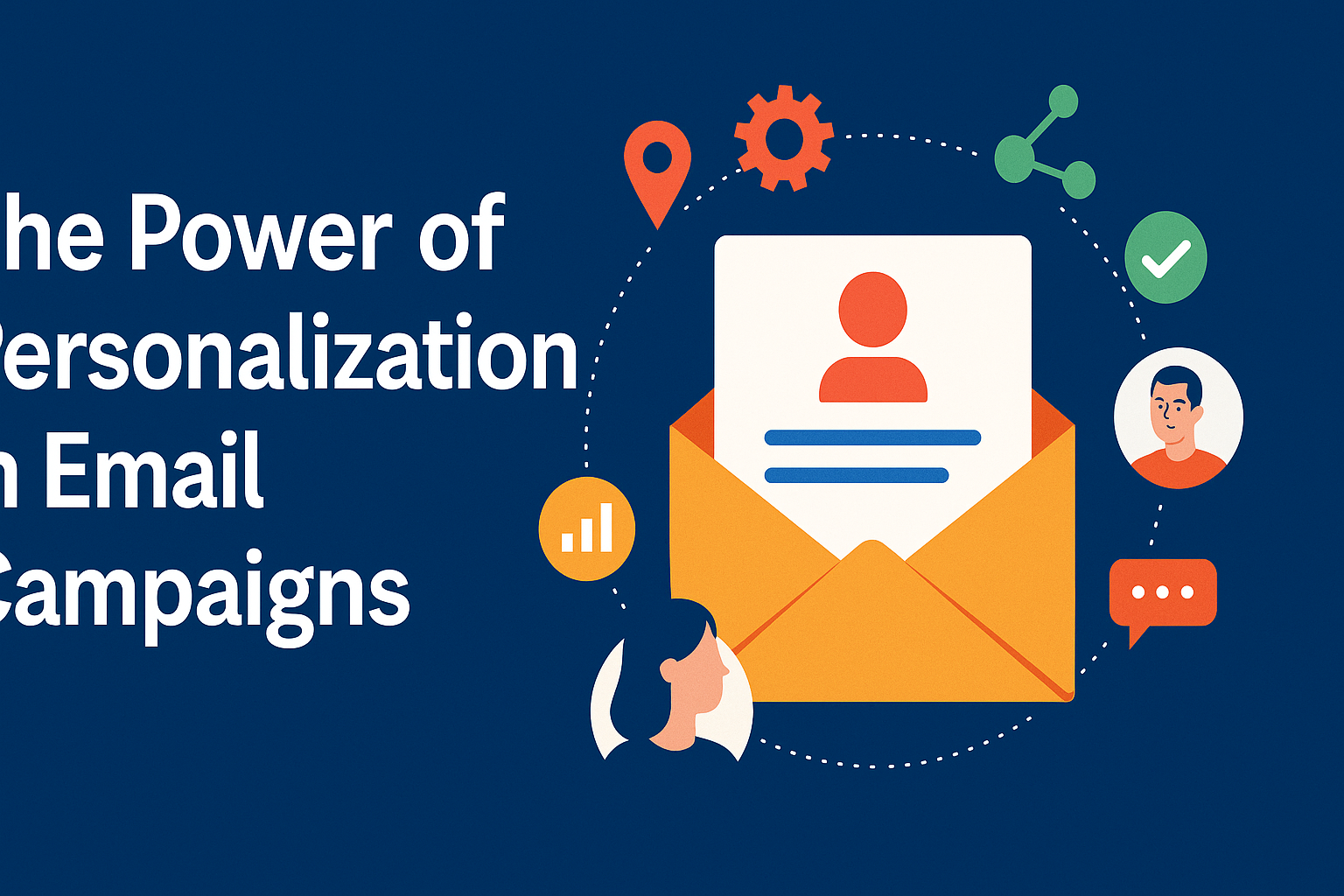
The Power of Personalization in Email Campaigns

The Power of Personalization in Email Campaigns

In today’s digital world, inboxes are flooded with promotional messages. Yet, some emails manage to grab attention, drive engagement, and ultimately convert. What makes these emails stand out? The answer lies in personalization. Why Personalization Matters Consumers expect brands to understand their preferences and deliver relevant content. When done right, personalization transforms a generic email into a compelling conversation. It’s not just about using the recipient’s name — it’s about delivering content that matches their interests, behaviors, and needs. The Benefits of Email Personalization How to Implement Personalization 5 FAQs About Personalization in Email Campaigns 1. What kind of data is needed to personalize an email campaign?You need demographic information, past purchase behavior, browsing history, and engagement metrics like opens and clicks. 2. Can personalization work for B2B email campaigns?Absolutely. B2B campaigns can be personalized based on industry, job title, company size, or previous interactions with your brand. 3. Is personalization just about using someone’s first name?No. True personalization involves tailoring the entire message — content, offers, timing — to the recipient’s preferences and behavior. 4. Does personalization violate privacy?Not if done ethically. Always comply with GDPR and other regulations. Be transparent about data usage and provide opt-out options. 5. How can I personalize emails at scale?Use marketing automation tools and AI-powered platforms to segment lists, track behavior, and deploy dynamic content without manual effort. Final Thoughts Personalization is no longer optional — it’s expected. When executed thoughtfully, it turns your emails into powerful tools for engagement, conversion, and customer loyalty. As competition grows fiercer in the inbox, brands that prioritize relevancy and connection will win.

Read more
Contact us

Full-Service Data & Email Marketing Agency

Turn your marketing communications into a sales powerhouse and increase revenue with full-service email marketing.

Email us at: info@connectdigitalventures.com

Your benefits:

What happens next?

1

We Schedule a call at your convenience 

2

We do a discovery and consulting meting 

3

We prepare a proposal 

Request a Free Sample/Campaign Demo