In today’s digital world, inboxes are flooded with promotional messages. Yet, some emails manage to grab attention, drive engagement, and ultimately convert. What makes these emails stand out? The answer lies in personalization.
Why Personalization Matters
Consumers expect brands to understand their preferences and deliver relevant content. When done right, personalization transforms a generic email into a compelling conversation. It’s not just about using the recipient’s name — it’s about delivering content that matches their interests, behaviors, and needs.
The Benefits of Email Personalization
- Higher Open Rates
Personalized subject lines can increase open rates by over 25%, according to studies. This is your first opportunity to make a strong impression. - Improved Click-Through Rates (CTR)
Tailored content leads to higher CTRs because it aligns with the user’s intent or past behavior. - Increased Conversions
When emails offer personalized product recommendations or deals based on past purchases, recipients are more likely to act. - Stronger Customer Relationships
Personalization fosters trust. It shows that your brand understands and values the customer, leading to increased loyalty. - Reduced Unsubscribes
Sending relevant content means fewer users will opt out, helping you maintain a strong subscriber base.
How to Implement Personalization
- Use Behavioral Data: Track user actions such as purchases, site visits, or downloads to tailor messages accordingly.
- Segment Your Audience: Divide your email list into specific groups based on demographics, preferences, or past behavior.
- Dynamic Content: Use tools to change email content based on who is receiving it.
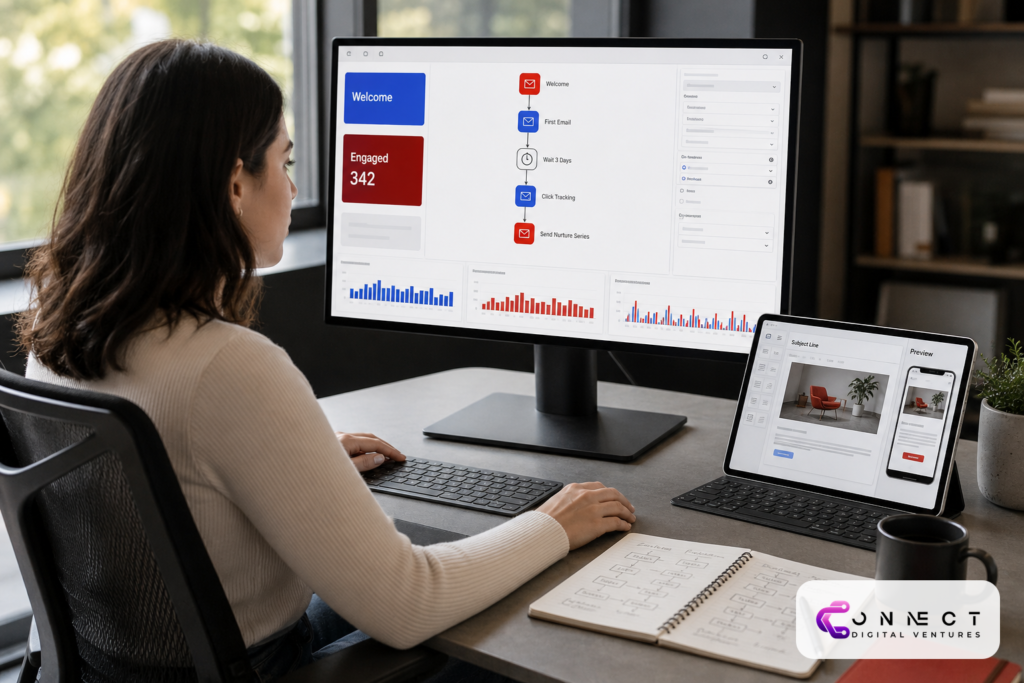
- Automated Triggers: Set up emails to be sent based on customer actions, like cart abandonment or product views.
- A/B Testing: Test different personalized messages to see what works best for your audience.
5 FAQs About Personalization in Email Campaigns
1. What kind of data is needed to personalize an email campaign?
You need demographic information, past purchase behavior, browsing history, and engagement metrics like opens and clicks.
2. Can personalization work for B2B email campaigns?
Absolutely. B2B campaigns can be personalized based on industry, job title, company size, or previous interactions with your brand.
3. Is personalization just about using someone’s first name?
No. True personalization involves tailoring the entire message — content, offers, timing — to the recipient’s preferences and behavior.
4. Does personalization violate privacy?
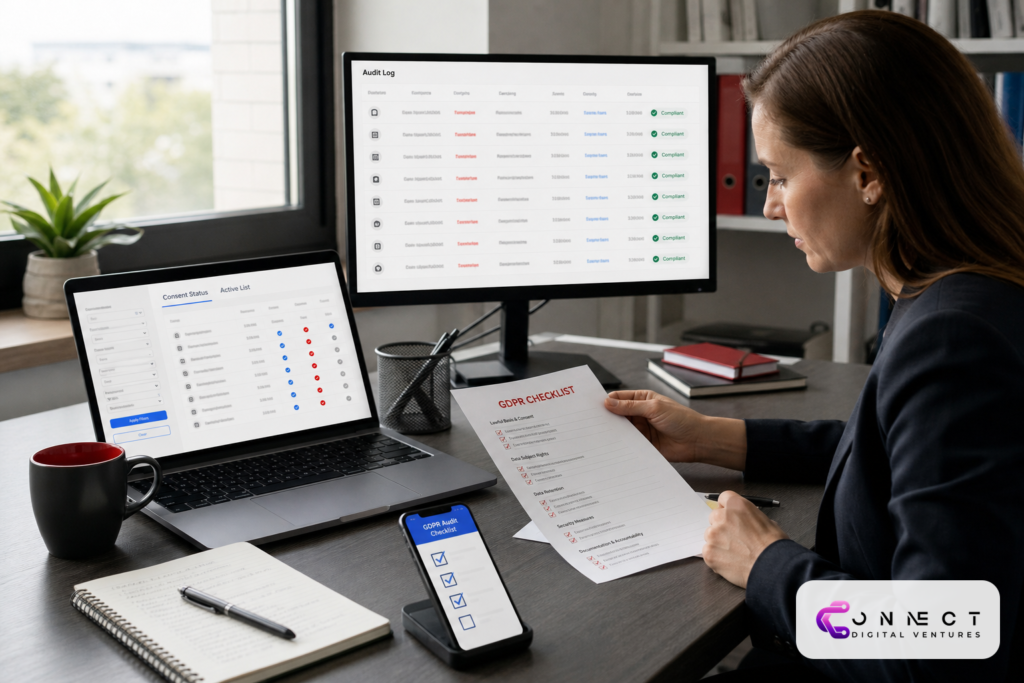
Not if done ethically. Always comply with GDPR and other regulations. Be transparent about data usage and provide opt-out options.
5. How can I personalize emails at scale?
Use marketing automation tools and AI-powered platforms to segment lists, track behavior, and deploy dynamic content without manual effort.
Final Thoughts
Personalization is no longer optional — it’s expected. When executed thoughtfully, it turns your emails into powerful tools for engagement, conversion, and customer loyalty. As competition grows fiercer in the inbox, brands that prioritize relevancy and connection will win.