Branding

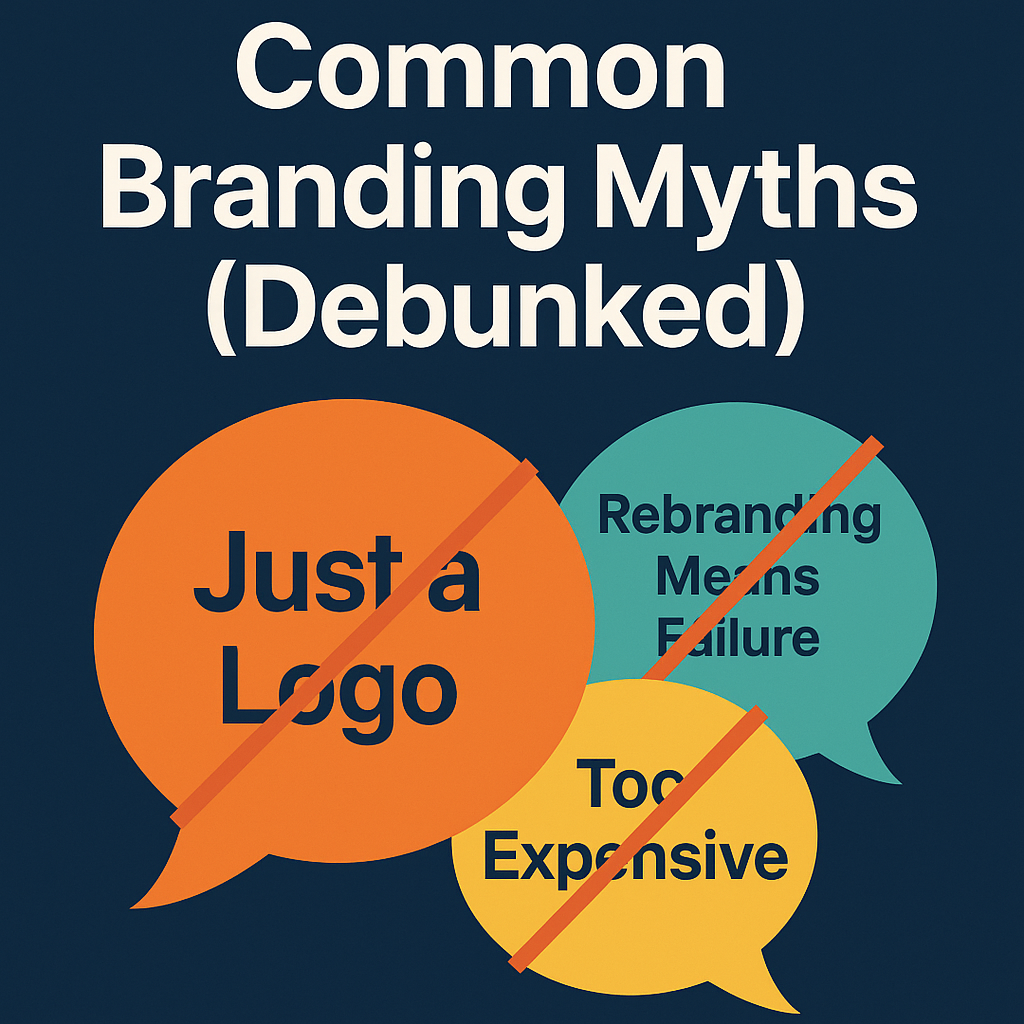
Common Branding Myths (Debunked)

Common Branding Myths (Debunked)

In today’s fast-paced business world, branding is more than just a logo — it’s how your business is perceived, remembered, and trusted. Yet, many businesses still fall for outdated beliefs that sabotage their brand’s full potential. Let’s bust some of the most common branding myths so you can build a stronger, more effective brand from the ground up. Myth 1: Branding Is Just a Logo Reality: While your logo is a key element, branding is everything your audience thinks and feels about your business. It includes your voice, colors, mission, messaging, customer service, and even employee behavior. A logo is just one piece of the brand puzzle. A great logo can catch attention, but consistent branding builds loyalty. Myth 2: Only Big Companies Need Branding Reality: Small businesses and startups benefit even more from strong branding. It sets you apart in a crowded market, builds credibility, and helps attract the right customers. A clear brand helps people remember you — no matter your size. Myth 3: Branding is Expensive and Time-Consuming Reality: Good branding doesn’t need a six-figure budget. What it needs is clarity and consistency. Define your core values, visual style, and tone of voice — and stick to them. Many tools and professionals can help create impactful branding on any budget. Myth 4: Rebranding Means You Failed Reality: Rebranding isn’t a sign of failure — it’s often a sign of growth. Businesses evolve, and so should your brand. Whether it’s a shift in audience, mission, or aesthetics, rebranding can reinvigorate your message and relevance. Myth 5: Branding Doesn’t Impact Sales Reality: A strong brand builds trust — and trust drives conversions. Consumers are more likely to buy from companies they recognize and feel connected to. Branding influences every step of the customer journey, from first impression to repeat purchase. Myth 6: You Control Your Brand Completely Reality: You can guide your brand — but your audience defines it. A brand is built in the minds of your customers through every experience they have with you. That’s why authenticity and consistency are critical. Myth 7: A Good Product Sells Itself Reality: Even the best product needs a strong brand to survive. Without clear messaging and a recognizable identity, it’s hard to break through the noise. Branding helps your product stand out and connect emotionally with your audience. FAQs 1. Is branding the same as marketing?No — branding defines your identity and values, while marketing promotes them. Branding comes first; it informs all marketing decisions. 2. When should I rebrand?Consider rebranding if your business has changed direction, audience, or if your branding feels outdated or inconsistent. 3. Can I build a brand without a designer?Yes, there are many tools (like Canva, Looka, and AI generators) to help you build basic brand assets. However, a designer can ensure professionalism. 4. What’s the most important element of branding?Consistency. No matter your logo, tone, or style — using them consistently across every touchpoint builds trust. 5. How do I know if my branding is working?Monitor customer feedback, engagement, and loyalty. If people recognize and resonate with your message — your branding is doing its job. Final Thoughts Falling for branding myths can hold your business back. The truth is, branding is an essential strategy — not just a creative exercise. It’s how you shape perception, build loyalty, and inspire trust. Whether you’re just starting out or refreshing your look, always lead with clarity, consistency, and authenticity.
Read more
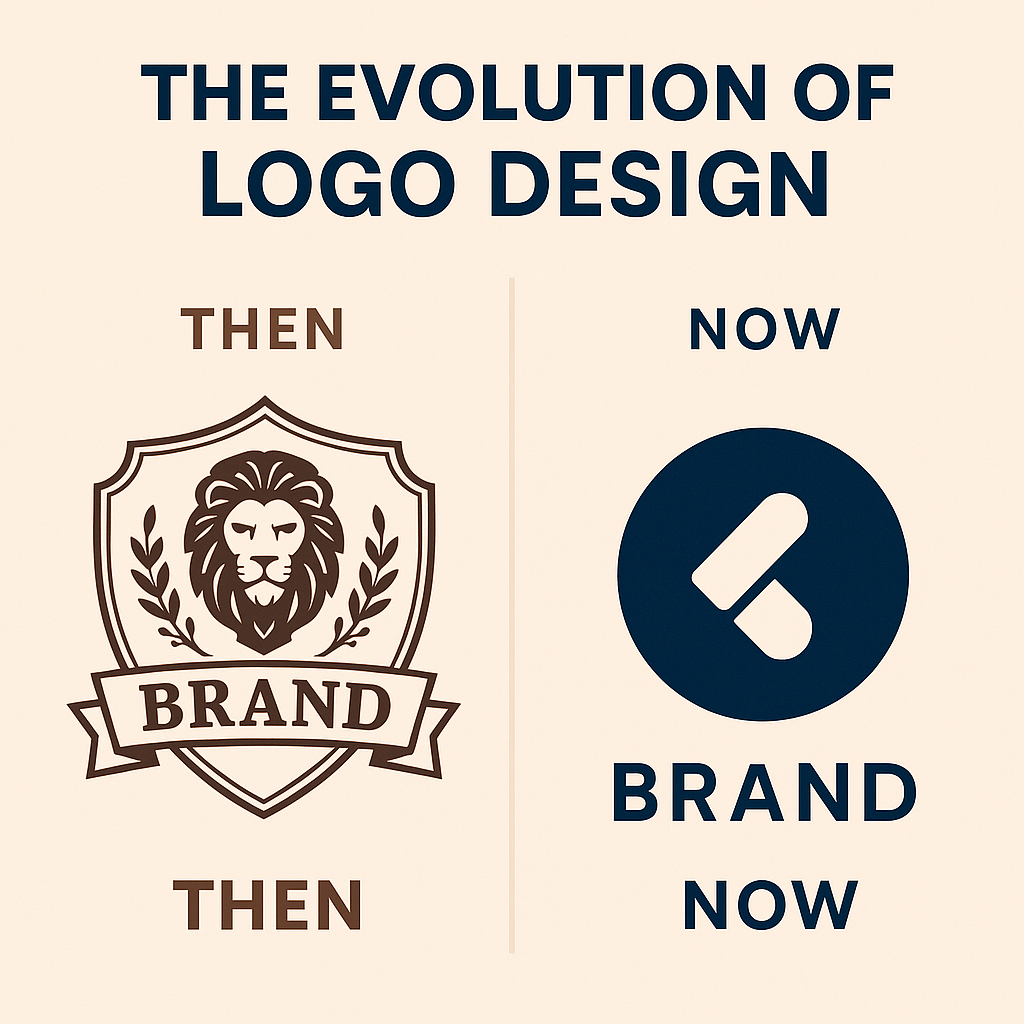
The Evolution of Logo Design: Then vs Now

The Evolution of Logo Design: Then vs Now

From ornate coats of arms to minimalist digital icons, the evolution of logo design is a fascinating journey through branding history, art trends, and cultural shifts. Logos are more than just symbols — they’re identity anchors for businesses, emotions wrapped in design. In this article, we explore how logos have changed over the decades, why they’ve changed, and what that means for brands today. Then: Detailed, Literal, and Traditional 1. Early Logos Were Literal In the early to mid-1900s, logos were often realistic and illustrative. Think of early car brands, breweries, or banks — their logos typically used crests, heraldic symbols, or full depictions of products. Example: The original Starbucks logo (1971) featured a detailed, twin-tailed mermaid in brown tones, inspired by 16th-century woodcuts. 2. Typography Was Decorative Fonts used in old logos were highly stylized — script, serif, and heavily ornamental. These designs conveyed tradition, craftsmanship, and authenticity. 3. Color Palettes Were Limited Due to printing technology limitations, color choices were often subdued, and most logos were black-and-white until color printing became standard. 4. Function Over Versatility Old logos were built for signage, product packaging, and print. Scalability and digital adaptability weren’t priorities. Now: Minimal, Abstract, and Digital-First 1. Simplicity Rules Today’s logos are clean, flat, and minimalist. Think Apple, Nike, or Airbnb. The emphasis is on quick recognition and digital scalability. Consumers scroll fast. Logos need to register instantly on screens of all sizes. 2. Abstract Over Literal Modern logos often imply meaning rather than state it directly. Logos like Twitter’s bird or Slack’s symbol evoke emotion and connection without needing text. 3. Bold Typography Contemporary font trends favor bold sans-serif typefaces, all-caps, and custom lettering — creating strong, modern identities. 4. Flexible Design Systems Modern logos are part of a larger brand system — adaptive for app icons, website headers, social media profiles, and merchandise. Think responsive logos that morph by screen size. Why the Shift? The Hybrid Future: Best of Both Worlds? Some brands are embracing both past and present. Retro-modern logos — where nostalgic design is updated with sleek geometry — are trending. Example: Burger King’s 2021 rebrand resurrected its vintage logo with flatter, simplified execution for modern platforms. FAQs 1. Why are modern logos so minimal?Minimalism ensures versatility, readability, and fast recognition across digital devices and platforms. 2. Do detailed logos still work?In some industries — like luxury fashion or wine — ornate or detailed logos still convey heritage and prestige. But even they often simplify for digital. 3. Should my logo evolve over time?Yes. Refreshing a logo every few years keeps your brand current and ensures it fits changing mediums and audience preferences. 4. What’s a responsive logo?A responsive logo adapts based on screen size or usage. For example, a full logo on desktop may reduce to just the icon or monogram on mobile. 5. How often should companies rebrand?There’s no strict rule, but if your logo feels outdated or no longer aligns with your brand vision or audience, it may be time for an update — typically every 7–10 years. Final Thoughts The evolution of logo design is a testament to how brands respond to the world around them. As society changes, so does visual identity. Whether you’re a startup creating a new logo or an established brand considering a redesign, understanding past and present trends can help you build a logo that resonates today — and lasts tomorrow.

Read more
The Role of Storytelling in Branding

The Role of Storytelling in Branding

The Role of Storytelling in Branding: Why Your Brand Needs a Narrative In a digital world overflowing with content, facts, and features, what makes one brand stand out while another fades away? It’s not just product quality or pricing — it’s the story. Storytelling has become one of the most powerful tools in modern branding. From Apple to Nike to Airbnb, the most successful brands are not just selling products — they’re selling a story, a lifestyle, a belief system. In this article, we’ll explore the psychology behind storytelling, how it elevates your brand’s value, and how you can create a compelling brand narrative that sticks. Why Storytelling Works in Branding Humans are wired for stories. Neuroscience shows that storytelling engages more parts of the brain than simply listing information. A compelling narrative taps into emotions, builds memory, and drives action. When done right, storytelling in branding: Elements of a Powerful Brand Story A brand story isn’t a mission statement or an “About Us” paragraph — it’s a consistent narrative that flows through all your messaging and customer touchpoints. Here’s what it should include: 1. Origin Story Share how your brand started — the problem you set out to solve and the passion behind it. This builds authenticity and relatability. Example: TOMS Shoes was founded on a simple mission — for every pair sold, a pair would be donated to a child in need. 2. Core Values & Beliefs What do you stand for? Your values should be embedded in every campaign and customer interaction. 3. Customer as the Hero Your customer should be the protagonist of your story. You’re not the hero — you’re the guide that helps them achieve transformation. Think: “With our help, here’s how your life can change.” 4. Conflict & Resolution Great stories have tension. Show the challenge (the customer’s pain point) and how your brand provides the resolution. 5. Visual & Verbal Identity Your story should be reflected in your tone of voice, logo, colors, and visuals — creating a unified brand experience. Real-World Examples of Brand Storytelling Airbnb – “Belong Anywhere” Airbnb’s story centers around inclusivity and adventure. Their messaging always highlights the emotional side of travel — meeting new people, feeling at home anywhere. Nike – “Just Do It” Nike doesn’t sell shoes. It sells motivation, grit, and human potential. Every campaign tells the story of pushing limits and overcoming adversity. Warby Parker – “Eyewear with a Purpose” Their story is about disrupting the overpriced eyewear industry while providing glasses to those in need. How to Craft Your Brand’s Story FAQs 1. What’s the difference between marketing copy and brand storytelling?Marketing copy often focuses on features and benefits. Brand storytelling focuses on creating emotional resonance and long-term loyalty. 2. Can small businesses benefit from storytelling too?Absolutely. A relatable, authentic story is often more impactful coming from a small, passionate founder than a faceless corporation. 3. How do I know if my story is working?Measure engagement — are users responding, sharing, or referencing your story in conversations? High brand recall and loyalty often indicate a successful narrative. 4. Should my story evolve over time?Yes, as your business grows and the market changes, your story may need updates — but the core values should remain consistent. 5. What are common storytelling mistakes brands make?Being overly polished or inauthentic, focusing only on themselves (instead of the customer), or lacking consistency across channels. Final Thoughts Brand storytelling isn’t just a marketing tactic — it’s a foundational strategy that defines how people perceive your business. In an age where attention is scarce and choices are many, your story is your competitive edge. Tell it well, and your customers won’t just remember you — they’ll believe in you.

Read more
How to Build a Brand Strategy from Scratch

How to Build a Brand Strategy from Scratch

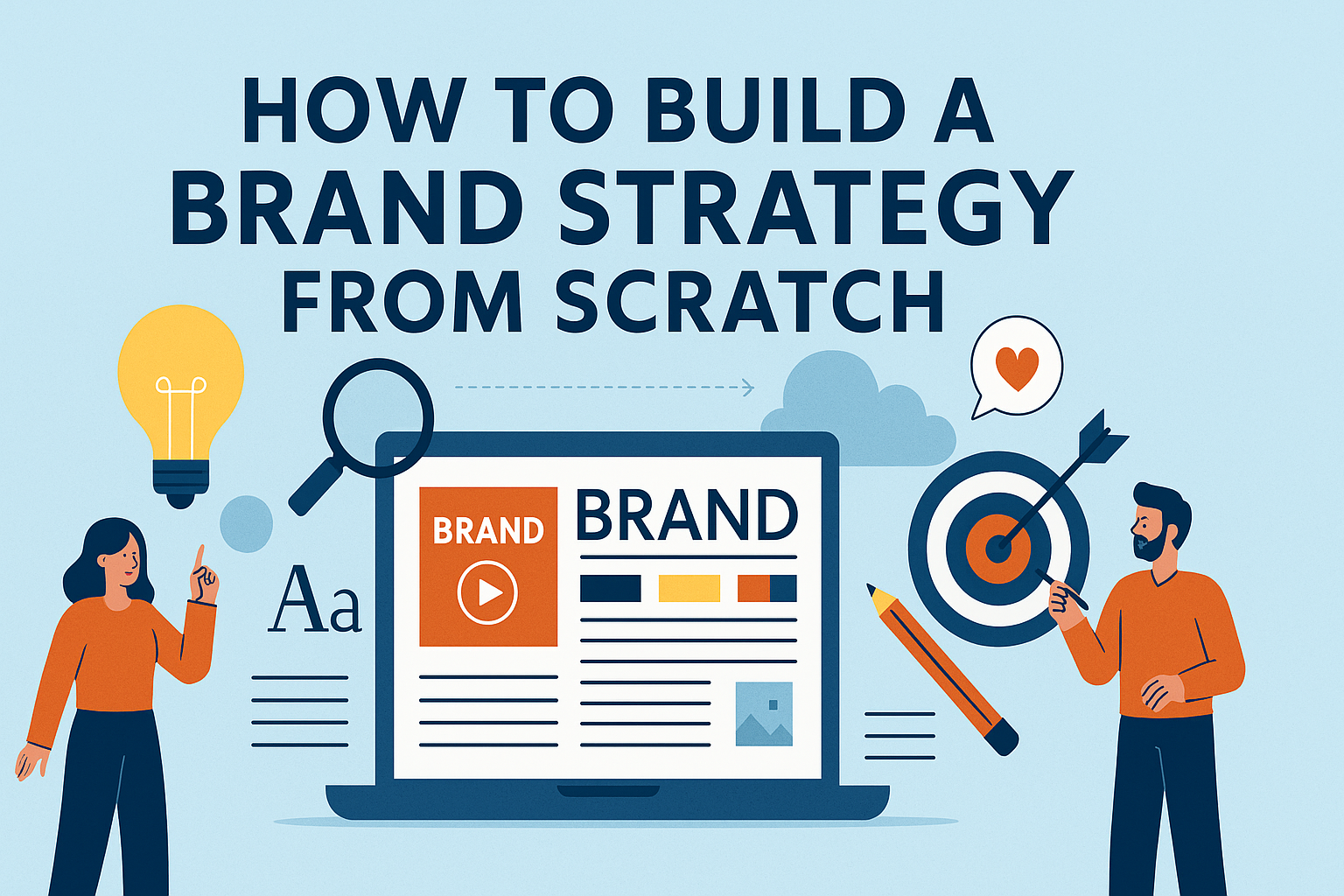
How to Build a Brand Strategy from Scratch: A Step-by-Step Guide In today’s competitive business environment, your brand is more than just your logo or a catchy tagline — it’s the complete experience your audience has with your company. Whether you’re launching a startup or refreshing an existing business, building a brand strategy from scratch is a foundational move that can define your market positioning and customer loyalty for years to come. In this comprehensive guide, you’ll learn how to develop a winning brand strategy that aligns with your vision, resonates with your audience, and sets you apart in the marketplace. Step 1: Define Your Brand Purpose and Vision Before designing anything, ask: Why does your brand exist? Your brand purpose should address not just what you do, but why you do it. This is your north star — the deeper motivation behind your company. Example: “To empower small businesses with simple, beautiful marketing tools.” Step 2: Know Your Audience Your brand must speak directly to the people you’re trying to serve. Conduct deep audience research to understand their goals, fears, challenges, and how your brand fits into their lives. Tip: Use tools like Google Analytics, surveys, and social media listening to gather insights. Step 3: Analyze the Market and Competitors Knowing what your competitors are doing helps you uncover opportunities and threats. Conduct a SWOT analysis and evaluate: Look for the white space — a positioning opportunity that is underserved. Step 4: Craft Your Brand Positioning Statement Your brand positioning is the internal compass for how you want to be perceived in the market. For [target audience], [brand] is the [category] that [unique value proposition], unlike [competitor] who [alternative]. This positioning becomes the root of your marketing messages, elevator pitch, and digital voice. Step 5: Develop Your Brand Voice and Messaging Your brand voice should reflect your personality — whether you’re professional, witty, bold, or empathetic. Keep it consistent across: Create a messaging framework that includes your tagline, elevator pitch, and tone-of-voice guidelines. Step 6: Design Your Visual Identity This includes: Visuals create a first impression. They should align with your brand personality and work across mediums from social media to packaging. Pro Tip: Document everything in a Brand Style Guide to maintain consistency. Step 7: Create a Brand Experience Across Channels Brand strategy extends to how people experience your brand: Think holistically — your brand must feel consistent whether a customer interacts with your email, Instagram, or a packaging box. Step 8: Evolve and Stay Consistent A brand strategy isn’t static. Review performance metrics, gather customer feedback, and be willing to evolve — but always remain true to your core purpose. Consistency builds recognition, and recognition builds trust. FAQs 1. How long does it take to build a brand strategy?It varies. For startups, it may take 1–2 months with proper research, design, and documentation. 2. Can I build a brand strategy without hiring an agency?Yes. Many businesses begin in-house, but working with branding experts can streamline the process and provide external perspective. 3. What are common mistakes when building a brand strategy?Lack of research, inconsistency in messaging, skipping audience insights, and poor visual alignment. 4. How do I measure the success of my brand strategy?Track KPIs such as brand awareness, customer retention, social media engagement, and Net Promoter Score (NPS). 5. What tools can help in brand strategy development?Canva (for visuals), HubSpot (CRM and marketing), Brandfolder (asset management), and Google Analytics (audience insights). Conclusion Building a brand strategy from scratch isn’t about chasing trends — it’s about defining who you are, what you stand for, and how you communicate that value to the world. It’s the blueprint that ensures your business is memorable, meaningful, and marketable.

Read more
Creating Brand Guidelines for Social Media

Creating Brand Guidelines for Social Media

Introduction In today’s digital age, where a brand’s social media presence can make or break its reputation, consistency is not optional—it’s essential. Social media is more than just a channel for updates; it’s a reflection of your brand’s voice, values, and visual identity. This is where brand guidelines for social media come into play. Whether you’re a startup building a presence from scratch or an established company scaling globally, cohesive branding across platforms like Instagram, LinkedIn, Facebook, and X (formerly Twitter) is vital. Let’s break down how to craft brand guidelines tailored specifically for social media. Why Social Media Needs Its Own Brand Guidelines While traditional brand books offer broad design and messaging rules, social media requires its own blueprint due to its dynamic and fast-paced nature. Each platform has different audiences, formats, and best practices. Without platform-specific guidelines, even strong brands can appear fragmented or out of sync. Key reasons for specific guidelines: Core Elements to Include in Your Social Media Brand Guidelines Benefits of Social Media Brand Guidelines Implementation Tips Conclusion Creating brand guidelines for social media isn’t just about looking good; it’s about building a brand that people remember, trust, and want to engage with. By investing in a solid set of social media guidelines, you empower your team to post with clarity, creativity, and confidence—no matter the platform. FAQs 1. Why are social media brand guidelines different from general brand guidelines?Social media guidelines are tailored for real-time content, audience interaction, and diverse visual formats that general brand guidelines don’t always address. 2. What’s the first step in creating social media brand guidelines?Start by auditing your existing platforms. Identify what’s consistent, what’s not, and what your audience engages with most. 3. Do small businesses need social media brand guidelines?Absolutely. Even if you’re a one-person team, guidelines help maintain consistency and make scaling easier. 4. How often should brand guidelines be updated?Ideally every 6–12 months, or whenever you experience a rebrand, platform update, or major shift in content strategy. 5. What tools can help with creating these guidelines?Use platforms like Canva for templates, Notion for documentation, and Figma for visual rules. AI tools can also streamline tone-of-voice creation and content review.

Read more
Branding for Startups: Where to Begin

Branding for Startups: Where to Begin

In today’s competitive business landscape, branding isn’t just about having a catchy name or a good-looking logo. For startups, branding is about creating a strong, consistent identity that communicates your mission, builds trust, and differentiates you from the competition. Done right, branding becomes your startup’s biggest asset. Whether you’re a first-time founder or building your second venture, knowing where to start can be overwhelming. This guide walks you through the foundational steps of startup branding. Why Branding Matters for Startups Startups often operate in crowded, fast-moving industries. A strong brand does the following: Step-by-Step Guide to Branding for Startups 1. Define Your Mission, Vision & Values Before you dive into colors and typography, articulate what your startup stands for. These will shape your brand’s tone and personality. 2. Identify Your Target Audience Knowing your audience is critical. What are their pain points? Aspirations? Preferences? This informs everything from design to messaging. Tip: Create user personas. They help humanize your audience and guide content creation. 3. Develop a Unique Value Proposition What makes your product or service different? Your UVP should be at the core of your brand messaging. It should be clear, concise, and customer-focused. 4. Choose a Brand Name & Tagline Your name and tagline should reflect your mission and resonate with your audience. Choose something: 5. Design Your Visual Identity This includes your: Your visual brand should reflect your startup’s personality and appeal to your audience. 6. Create a Brand Voice & Tone Is your startup fun and quirky or professional and authoritative? Your brand voice should be consistent across all touchpoints: social media, website, emails, ads. 7. Build Brand Guidelines Document your branding decisions in a brand book. It ensures consistency across your marketing, website, and sales materials, especially as your team grows. 8. Implement Branding Across All Channels Make sure your branding is reflected everywhere: 9. Tell Your Brand Story Customers connect with stories. Share why you started, what challenges you’ve faced, and the impact you aim to make. Authenticity builds emotional connection. 10. Evolve with Feedback Startups iterate. Don’t be afraid to evolve your brand based on feedback and growth. Just ensure changes are strategic, not reactive. 5 FAQs About Startup Branding 1. How soon should a startup begin branding?Ideally from day one. A strong brand helps build awareness, attract early adopters, and guide decision-making. 2. What’s the difference between a brand and a logo?A logo is just one visual element. A brand is the overall perception people have of your company—shaped by visuals, messaging, values, and experiences. 3. Can I rebrand later?Yes. Startups often pivot, and rebranding can reflect new directions. Just ensure the new brand is aligned with your audience and goals. 4. How much should I invest in branding as a startup?It varies. Initially, focus on strategy and consistency. DIY tools can help early on, but consider hiring professionals as you scale. 5. Is it necessary to have a brand book?Absolutely. It ensures consistent use of your brand elements across teams, partners, and platforms, avoiding confusion and dilution. Final Thoughts Branding isn’t a one-time task—it’s an ongoing investment. For startups, it’s your north star, helping guide decisions and shape customer perceptions. The earlier you invest in building a strong brand, the faster you can gain trust, loyalty, and growth. Start with clarity. Grow with consistency. And always communicate with purpose.

Read more
How to Align Social Media with Your Brand Strategy

How to Align Social Media with Your Brand Strategy

In today’s digital-first world, your brand doesn’t just live in your logo or website — it thrives (or dies) across social platforms. Social media has evolved into more than a promotional tool; it’s the front line of customer engagement and brand perception. Yet, many brands stumble by treating social media as an afterthought rather than an integral part of their branding strategy. So how do you ensure your social media presence reflects your core brand values and amplifies your business goals? Here’s a deep dive into aligning your social media channels with your overarching brand strategy. Why Alignment Matters Consistency breeds trust. A brand that communicates cohesively across all channels — from website to Instagram — cultivates stronger recognition, credibility, and loyalty. When your audience encounters mismatched messaging, tone, or visuals, it can confuse or alienate them. Proper alignment ensures that: 1. Define Your Core Brand Elements Before diving into posting schedules or hashtags, you need clarity on your brand’s identity. Ask yourself: Document these in a brand book and use them as the north star for all content creation. 2. Choose the Right Platforms Not every social media platform is suitable for every brand. Instead of spreading yourself thin, focus on platforms where your audience already spends time. For example: Your strategy should dictate your platforms — not the other way around. 3. Create a Social Media Style Guide Translate your brand book into a tailored social media style guide that includes: This guide ensures every post, reel, or tweet aligns with your brand identity. 4. Map Content to Business Goals Every piece of content should serve a purpose. Tie your social content to objectives such as: Use content pillars that reflect your brand’s core messages, and rotate through them for consistency and variety. 5. Leverage Brand Storytelling Brand storytelling humanizes your company. Use customer testimonials, founder stories, behind-the-scenes videos, or team highlights to tell authentic stories that reinforce your values and build trust. 6. Monitor and Adapt Use analytics tools to track what’s working. Key metrics include: Monitor sentiment, test content types, and refine your approach. Alignment isn’t static — it evolves with your audience and brand. Final Thoughts Aligning your social media with your brand strategy isn’t a one-time task — it’s an ongoing process. With strategic alignment, your social platforms become powerful channels for connection, conversion, and community building. FAQs 1. Why is it important to align social media with brand strategy?It ensures consistency across all customer touchpoints, builds trust, and reinforces your brand’s message effectively. 2. How do I know which social platforms are right for my brand?Start by identifying where your target audience spends time and choose platforms that align with your content type and goals. 3. Should small businesses invest in social media branding?Absolutely. Social media offers a cost-effective way to build brand awareness, credibility, and customer relationships. 4. How often should I post to stay consistent?It depends on the platform, but consistency is key. Create a social media calendar and stick to a schedule that you can maintain. 5. What tools help in aligning social media with branding?Tools like Canva (for design), Hootsuite or Buffer (for scheduling), and Google Analytics or Meta Insights (for tracking) are essential.

Read more
The Impact of Sustainable Packaging on Your Brand Image

Crafting Content That Converts: A Beginner’s Guide

In today’s fast-paced digital landscape, content is everywhere—but content that converts? That’s rare. Whether you’re running a small business, launching a startup, or scaling a digital brand, mastering content that drives action is critical to growth. This beginner’s guide breaks down how to write content that not only captures attention but turns readers into leads, customers, and loyal advocates. Why Conversion-Driven Content Matters Content isn’t just for SEO or keeping your website fresh—it’s a strategic tool to drive business outcomes. Whether you want users to sign up for a newsletter, book a consultation, or make a purchase, content needs to serve a clear purpose: conversion. According to HubSpot, companies that prioritize blogging and content marketing generate 67% more leads than those that don’t. But not all content is created equal. The difference between a casual reader and a paying customer lies in how well your content persuades, engages, and directs. Step-by-Step Guide to Crafting Content That Converts 1. Know Your Audience Intimately Before you write a single word, understand who you’re writing for: Build detailed buyer personas and tailor your tone, message, and format to match. 2. Start with a Clear Goal Each piece of content should answer: What action do I want the reader to take?Whether it’s clicking a CTA, downloading a free guide, or scheduling a call, define the goal before drafting. 3. Use Compelling Headlines Your headline is the gateway to your content. Make it: Example: “How to Double Your Sales in 30 Days Using Only Email Marketing” 4. Lead With Value Hook readers with an engaging intro. Show them you understand their problem, then quickly offer a solution or tease the payoff. Tip: Use storytelling, statistics, or a question to spark curiosity. 5. Structure for Readability Good content is scannable: 6. Incorporate Social Proof Testimonials, case studies, and data points build trust. Readers are more likely to take action when they see proof that others did—and succeeded. 7. Include a Strong CTA (Call-to-Action) Guide the reader to the next step. Examples: Make it actionable, urgent, and clear. 8. Optimize for SEO & Performance Even great content won’t convert if it’s never found. Do keyword research and optimize: Common Mistakes to Avoid 5 FAQs About Writing Conversion-Focused Content Q1: How long should my content be to convert?A: It depends on the goal. Blog posts between 1,000–2,000 words often perform well, but landing pages or product copy might be shorter. Value > length. Q2: Should I hire a content writer or do it myself?A: If writing isn’t your strength, hiring a pro can improve quality and conversion. But with the right framework, anyone can learn. Q3: Can I repurpose existing content to be more conversion-focused?A: Absolutely. Update content with clear CTAs, better structure, and more targeted messaging. Q4: How do I measure if my content is converting?A: Track metrics like click-through rates, time on page, bounce rate, and conversion goals (e.g., form fills, downloads). Q5: What tools can help with content conversion?A: Try tools like Grammarly (writing clarity), SurferSEO (optimization), Hotjar (user behavior), and HubSpot (lead capture). Final Thoughts Crafting content that converts is both an art and a science. It’s about understanding your audience, delivering value, and guiding readers toward a clear outcome. Whether you’re launching your first campaign or refining your content strategy, remember this: Content without purpose is noise. Content with intention is powerful.

Read more
The Psychology Behind Color in Branding

The Psychology Behind Color in Branding

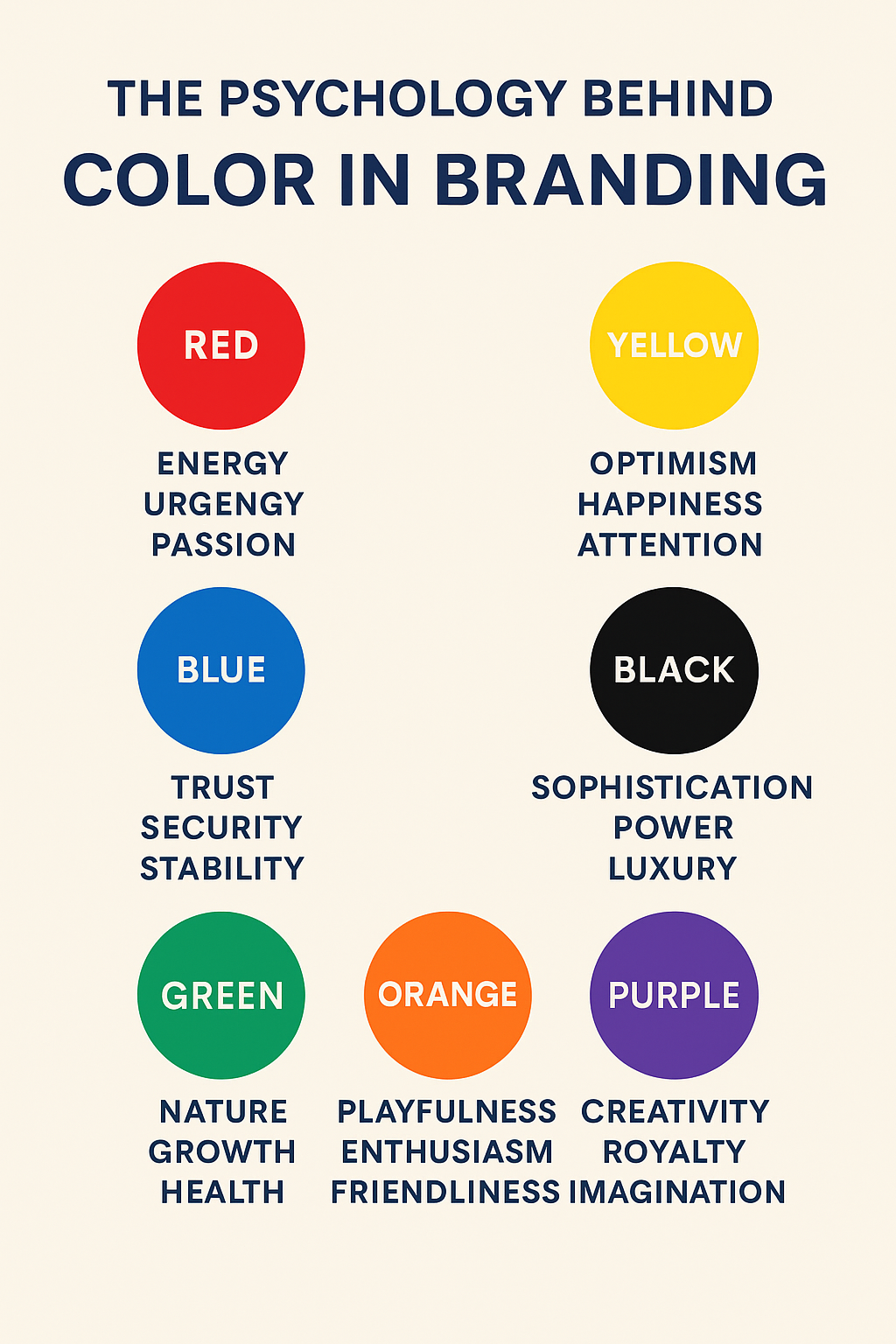
Color is more than just a visual experience—it’s a psychological tool that influences perception, behavior, and decision-making. In the world of branding, color is one of the most powerful elements to evoke emotion, communicate values, and establish identity. From the calming blues of tech companies to the energizing reds of fast-food chains, color choices are never random. They’re strategic. In this article, we explore the psychology behind color in branding, how businesses leverage it to connect with consumers, and what you should consider when selecting a color palette for your own brand. Why Color Matters in Branding Color is often the first element a person notices about a brand. In fact, research suggests that up to 90% of initial judgments about a product can be based solely on color. The right color not only helps brands stand out but also enhances brand recognition by up to 80%. Consider these examples: Each choice reinforces a psychological response, helping brands craft an identity that resonates emotionally with their audience. The Psychology of Popular Brand Colors Let’s break down what different colors typically communicate: Choosing the Right Colors for Your Brand Choosing a brand color should go beyond personal preference. Ask yourself: The Role of Color Consistency in Brand Recognition It’s not enough to just pick a great color—you must use it consistently. A cohesive color scheme: Brands like Tiffany & Co. (with their iconic teal) and McDonald’s (with their golden arches) demonstrate how color can become synonymous with the brand itself. Mistakes to Avoid Final Thoughts Color in branding is both an art and a science. When used effectively, it can help tell your story, build emotional connections, and even influence consumer behavior. As your brand evolves, your color palette should remain a powerful anchor for recognition and trust. FAQs 1. How many colors should my brand use?Ideally, your brand should have 1–2 primary colors and 2–3 secondary colors. This ensures variety without overwhelming your audience. 2. Can I change my brand colors later?Yes, but with caution. A color rebrand requires a thoughtful rollout plan to maintain recognition and consumer trust. 3. What is color psychology in marketing?It’s the study of how colors affect perceptions and behaviors. Marketers use it to influence emotions and actions. 4. Do colors mean the same thing across cultures?Not always. For example, white signifies purity in Western cultures but mourning in some Eastern traditions. Always research your audience. 5. Are there tools to help me choose brand colors?Yes! Tools like Adobe Color, Coolors, and Canva’s Brand Kit can help you experiment with palettes that reflect your brand’s personality.

Read more
Creating a Brand Voice That Resonates: Why It Matters and How to Get It Right

Creating a Brand Voice That Resonates: Why It Matters and How to Get It Right

In an age saturated with digital noise, where thousands of brands vie for consumer attention across countless platforms, the brands that rise above the clutter do so not just with flashy visuals or viral campaigns—but with a voice that truly speaks to their audience. Brand voice is no longer just a “nice-to-have.” It’s a critical element of your identity, as important as your logo or product. It’s the consistent expression of your brand’s personality through words, tone, and messaging—across all channels. So, what does it take to build a brand voice that resonates deeply with your target audience? Why Brand Voice Matters How to Craft a Brand Voice That Resonates Real-World Examples 5 FAQs About Creating a Brand Voice 1. What is the difference between brand voice and tone?Voice is your brand’s consistent personality; tone is how that personality adapts to different contexts (e.g., serious in crisis, upbeat in promotions). 2. How do I know if my brand voice is working?Track engagement, feedback, and brand recall. High resonance usually leads to higher conversions and customer loyalty. 3. Can I use humor in my brand voice?Yes, if it fits your audience and product. Brands like Wendy’s and Old Spice use humor masterfully, but it must align with your brand identity. 4. Should startups prioritize brand voice early?Absolutely. A strong voice can make your brand memorable from the start and help you build a loyal community. 5. What if my audience changes over time?Your voice can evolve. Reevaluate annually to ensure it still aligns with your audience’s expectations and values.

Read more
Contact us

Full-Service Data & Email Marketing Agency

Turn your marketing communications into a sales powerhouse and increase revenue with full-service email marketing.

Email us at: info@connectdigitalventures.com

Your benefits:

What happens next?

1

We Schedule a call at your convenience 

2

We do a discovery and consulting meting 

3

We prepare a proposal 

Request a Free Sample/Campaign Demo