
A/B Testing for Email Campaigns: How to Do It Right
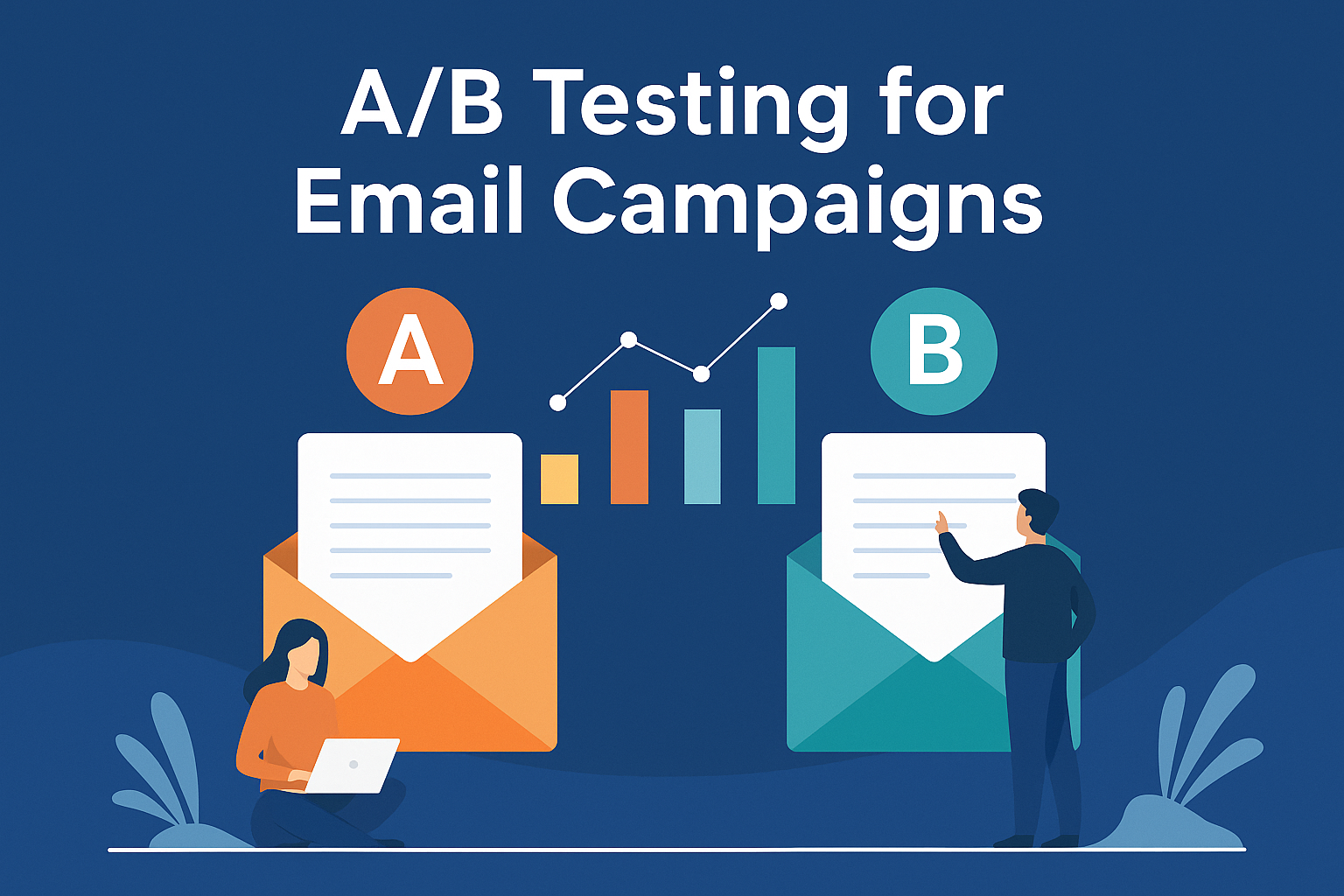
Introduction In the world of email marketing, success is never guaranteed—but it can be optimized. That’s where A/B testing comes in. Also known as split testing, this method allows marketers to test two variations of an email against each other to see which performs better. Whether you’re tweaking a subject line or testing call-to-action buttons, A/B testing empowers data-driven decisions that can significantly boost your email marketing ROI. This article will walk you through what A/B testing is, why it matters, and how to do it right, even if you’re a beginner. Let’s dive in. What Is A/B Testing in Email Marketing? A/B testing involves sending two versions (A and B) of the same email to small, randomly selected segments of your audience. These versions differ by a single variable—subject line, design, CTA, send time, etc. The version that gets better performance (opens, clicks, or conversions) is then sent to the remaining audience. Why A/B Testing Matters Key Elements You Can A/B Test How to Run a Successful A/B Test for Email Campaigns 1. Choose One Variable at a Time Avoid confusion by testing just one element. For example, change only the subject line, keeping all else constant. 2. Segment Your List Smartly Split your list randomly but evenly to ensure unbiased results. 3. Determine Your Success Metric Are you measuring open rates, click-through rates, or conversions? Decide this upfront. 4. Set a Statistically Significant Sample Size Use a calculator or platform suggestions to ensure valid results. 5. Run the Test Long Enough Let the test run for a minimum of 24 hours to get accurate results across time zones. 6. Analyze and Apply the Winner Once the winning variation is clear, use it to send to the remaining audience or future campaigns. Common Mistakes to Avoid Top 5 FAQs About A/B Testing for Email Campaigns 1. What’s the ideal sample size for an A/B test? It depends on your total list size. A common rule is to test 10–20% of your list, ensuring it’s large enough for statistical significance. 2. How long should I run my A/B test? At least 24–48 hours. Longer campaigns (weekly/monthly) may need more time depending on user behavior. 3. Can I test multiple variables at once? Technically yes (this is called multivariate testing), but it’s best for advanced marketers. Beginners should stick to one variable per test. 4. What should I test first in a new campaign? Start with the subject line—it has the biggest impact on open rates. 5. What tools can help with A/B testing? Most email marketing platforms like Mailchimp, HubSpot, and Klaviyo offer built-in A/B testing features. Conclusion A/B testing isn’t just a trend—it’s a fundamental tool in any email marketer’s toolkit. With consistent testing and analysis, you’ll be able to craft emails that not only reach inboxes but also spark action. Remember, small changes can lead to big results.