email

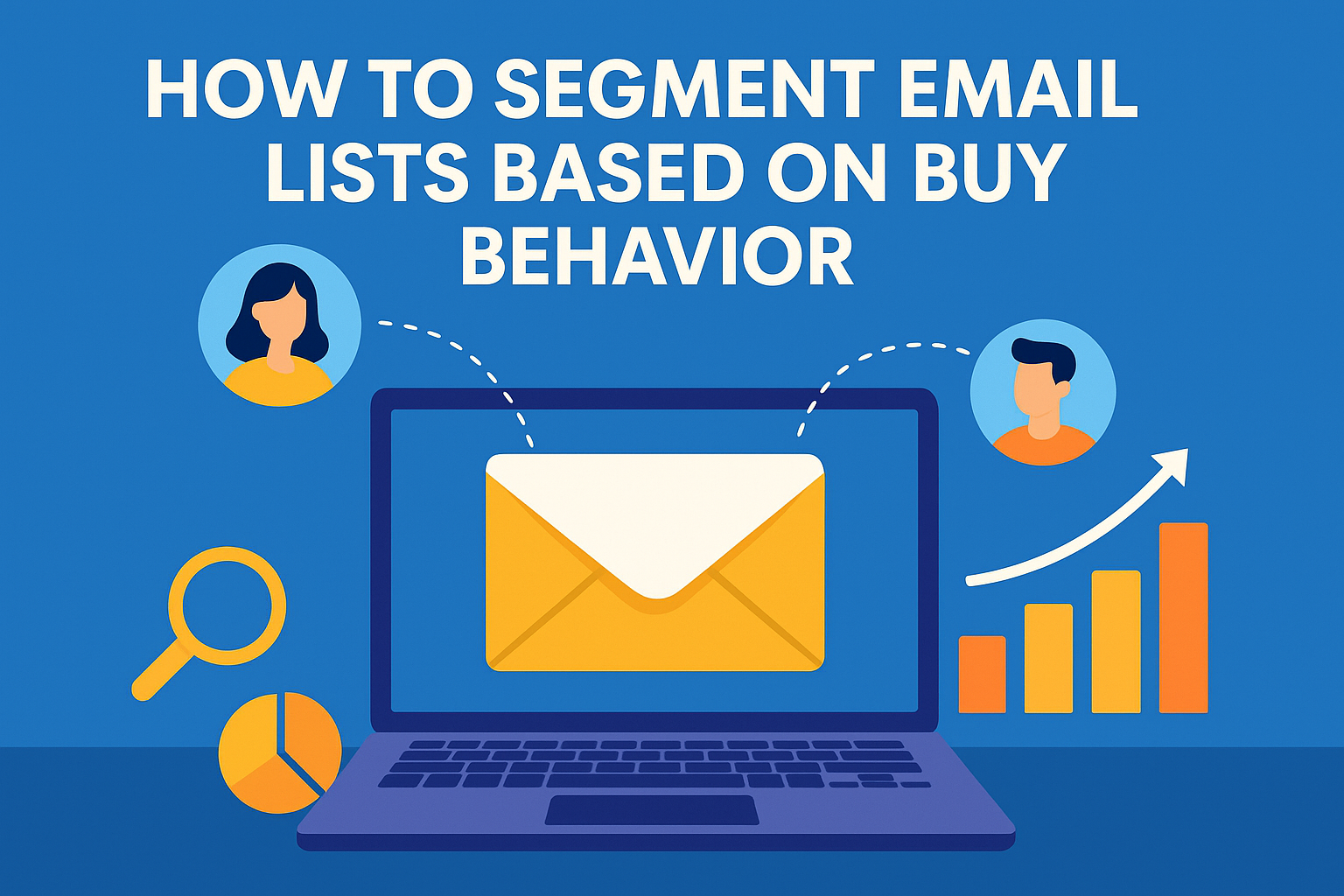
How to Segment Email Lists Based on Buyer Behavior

How to Segment Email Lists Based on Buyer Behavior

Email marketing continues to deliver one of the highest ROIs in digital marketing but only when it’s done right. And one of the smartest ways to enhance your email performance is segmentation based on buyer behavior. Rather than sending the same message to everyone, behavioral segmentation allows you to deliver personalized content that resonates with individual actions, intent, and preferences. Let’s dive into how to effectively segment your email list using buyer behavior and turn more subscribers into loyal customers. Why Segmenting by Buyer Behavior Matters Behavioral segmentation allows you to group your audience based on how they interact with your brand think purchases, website visits, cart activity, product preferences, and more. Key Benefits: Behavioral Data You Can Use for Segmentation Here are the most actionable types of behavioral data you should track: 1. Purchase History 2. Browsing Behavior 3. Cart Activity 4. Email Engagement 5. Customer Lifecycle Stage How to Segment Based on Buyer Behavior 1. New Subscribers Why it matters: They’re new to your brand and need onboarding. What to send: 2. First-Time Buyers Why it matters: You’ve earned a conversion—now build trust. What to send: 3. Repeat Buyers Why it matters: They’re already loyal; time to upsell and reward. What to send: 4. Inactive Subscribers Why it matters: Re-engaging them is more cost-effective than acquiring new leads. What to send: 5. Cart Abandoners Why it matters: These are hot leads don’t let them go cold. What to send: Tools to Help You Segment Smarter You don’t need to do this manually. Tools like: …offer behavior-based tagging, triggers, and flow automation to streamline segmentation and targeting. Pro Tips for Smarter Behavioral Segmentation Facts Segmentation by buyer behavior is no longer optional it’s the backbone of high-performance email marketing. The more relevant your messaging, the more engaged your audience becomes. Start with simple segments, monitor results, and iterate your strategy as you grow.
Read more
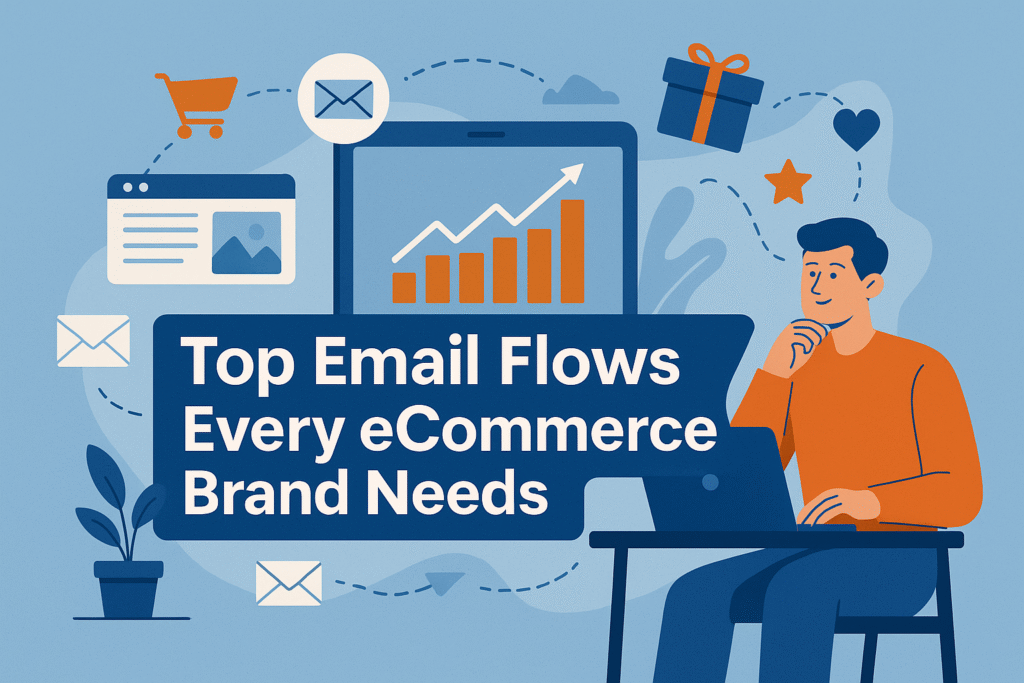
Top Email Flows Every E-Commerce Brand Needs

Top Email Flows Every E-Commerce Brand Needs

In the hyper-competitive world of eCommerce, email marketing remains one of the most powerful tools in your marketing stack. But success doesn’t come from sending random promotional emails. It comes from setting up strategic, automated email flows that guide the customer through their journey from first interaction to repeat purchase and beyond. Here’s a detailed breakdown of the top email flows every eCommerce brand should have in 2025 along with tips to optimize them for better open rates, conversions, and brand loyalty. 1. Welcome Series Purpose: Make a great first impression and guide new subscribers toward a purchase. Why it matters: Your welcome email is your best-performing email. It often sees open rates above 50%. A well-crafted welcome flow warms up your leads and converts them into buyers. What to include: Pro tip: Don’t stop at one email use a series of 3–5 emails spaced over a few days. 2. Abandoned Cart Flow Purpose: Recover lost revenue from shoppers who leave without checking out. Why it matters: On average, 70% of online carts are abandoned. A cart recovery flow can help recover 15–20% of those lost sales. What to include: Pro tip: Send 3 emails one after 1 hour, one after 24 hours, and one after 72 hours. 3. Post-Purchase Flow Purpose: Build loyalty and reduce buyer’s remorse after a sale. Why it matters: The customer journey doesn’t end at checkout. Keeping customers engaged after purchase boosts repeat purchases and brand affinity. What to include: Pro tip: Personalize the post-purchase journey based on product category. 4. Win-Back Flow Purpose: Re-engage inactive customers who haven’t purchased in a while. Why it matters: It costs 5x more to acquire a new customer than to retain an existing one. A win-back flow gives you another chance to activate lapsed buyers. What to include: Pro tip: Segment based on time since last purchase (e.g., 30, 60, 90 days). 5. Browse Abandonment Flow Purpose: Reconnect with shoppers who viewed products but didn’t add anything to cart. Why it matters: This is a subtle way to re-engage high-intent visitors who showed interest but didn’t commit. What to include: Pro tip: Trigger these emails within 1–2 hours for higher conversion rates. 6. VIP & Loyalty Flow Purpose: Reward your most loyal customers to increase retention and word-of-mouth. Why it matters: Top customers can drive 80% of your revenue. Rewarding them keeps them happy and talking about you. What to include: Pro tip: Use dynamic segmentation to identify high-spending or frequent buyers. 7. Seasonal or Promotional Campaign Flow Purpose: Drive revenue spikes during key shopping seasons or events. Why it matters: Email is still the #1 revenue driver during holidays like Black Friday, Christmas, or site-wide sales. What to include: Pro tip: Automate flows around key events and holidays using your marketing calendar. Bonus Tips for Optimizing Email Flows Facts Building effective email flows isn’t just a “nice to have” it’s a core growth lever for modern eCommerce brands. These automated journeys not only boost conversions but also deepen customer relationships and drive long-term brand loyalty. By setting up these essential flows and continuously optimizing them you’re giving your brand a scalable, data-backed way to thrive in 2025’s crowded eCommerce space.

Read more
Contact us

Full-Service Data & Email Marketing Agency

Turn your marketing communications into a sales powerhouse and increase revenue with full-service email marketing.

Email us at: info@connectdigitalventures.com

Your benefits:

What happens next?

1

We Schedule a call at your convenience 

2

We do a discovery and consulting meting 

3

We prepare a proposal 

Request a Free Sample/Campaign Demo