DTC

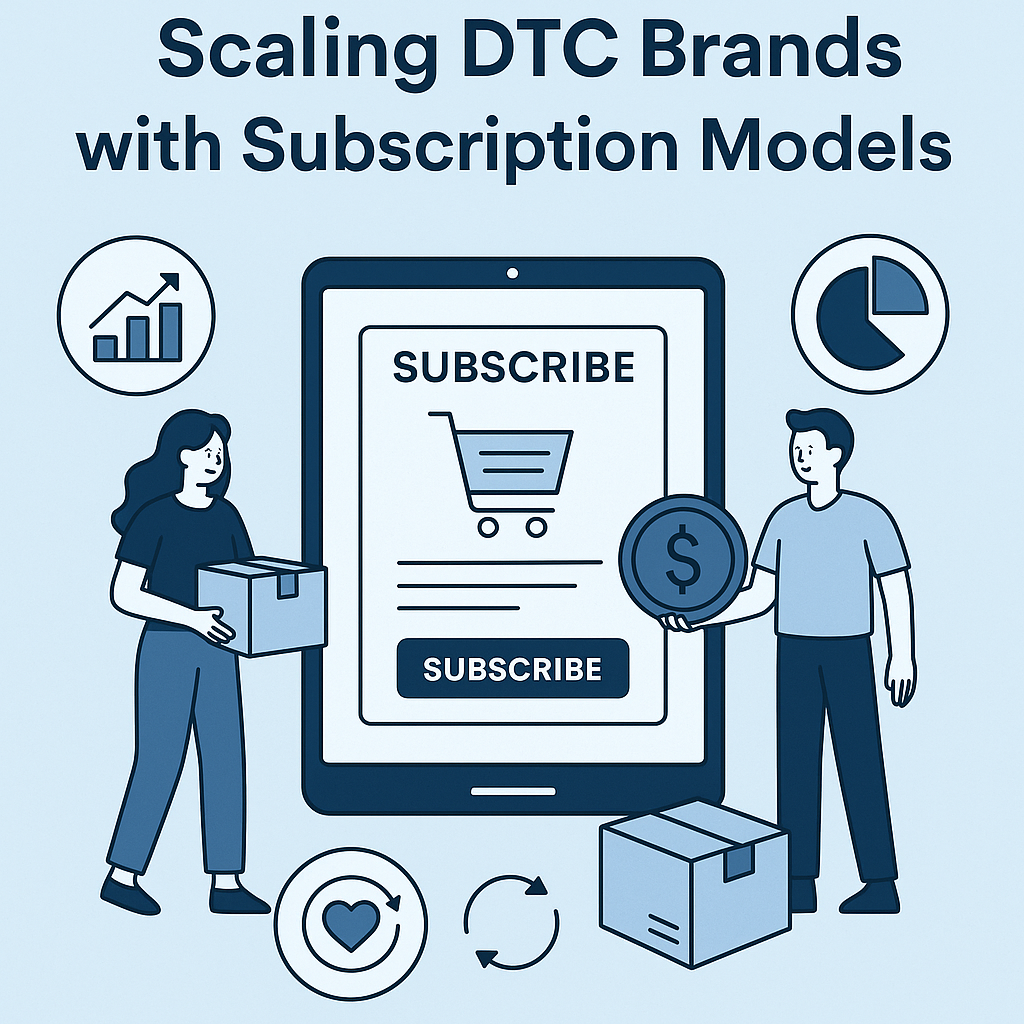
Scaling DTC Brands with Subscription Models

Scaling DTC Brands with Subscription Models

Why Subscription Models are the Future of DTC The Direct-to-Consumer (DTC) model has exploded in recent years, with brands bypassing traditional retail channels to build deeper, more direct relationships with their customers. But as digital acquisition costs rise and competition intensifies, DTC brands are searching for more sustainable revenue streams and deeper customer loyalty. Enter the DTC subscription model a powerful approach that turns one-time buyers into long-term, loyal customers. From skincare to snacks, coffee to pet food, the recurring revenue model has helped brands maximize LTV, reduce churn, and forecast growth with greater accuracy. In this article, we’ll explore: Let’s dive into how recurring revenue can unlock sustainable growth. The Rise of Subscription Models in DTC The Shift in Consumer Behavior Modern consumers value convenience, personalization, and predictability. Subscription services cater to all three: According to McKinsey, the subscription e-commerce market has grown over 100% annually in recent years. And with over 15% of online shoppers having signed up for at least one subscription service, this trend is no longer optional—it’s essential for scaling. Benefits of the Subscription Model for DTC Brands Types of DTC Subscription Models That Work Not all subscriptions are created equal. Here are the main types of DTC subscription models: 1. Replenishment Models Used for products that run out regularly (e.g., razors, toothpaste, supplements). Customers subscribe to receive items on a fixed schedule. Example: Dollar Shave Club disrupted the grooming industry by offering razor blades via monthly subscription. Benefits: High retention, predictable consumption. 2. Curation Models Brands curate products for customers each month based on preferences or lifestyle. Common in fashion, beauty, and wellness. Example: Birchbox sends curated beauty samples tailored to user profiles. Benefits: Excitement, discovery, brand affinity. 3. Access Based Models Subscribers pay for VIP access, discounts, or members only products. Example: Thrive Market charges a membership fee for access to discounted organic groceries. Benefits: Premium positioning, loyalty, higher basket size. 4. Hybrid Models Combine replenishment with curation or access. These are becoming increasingly popular as they address multiple customer needs. Example: FabFitFun blends curation with exclusivity and access perks. Benefits: Increased perceived value, diversified revenue. Real World Examples of Successful DTC Subscription Models 1. Harry’s 2. Oura Ring 3. Who Gives A Crap Metrics That Matter in Subscription Models Tracking the right metrics is essential to scaling any DTC subscription model. Here are the ones that matter most: 1. Customer Lifetime Value (LTV) Total revenue expected from a customer over their entire relationship with the brand. The goal is to maximize this while reducing CAC (Customer Acquisition Cost). 2. Churn Rate Percentage of customers who cancel their subscriptions within a given period. A high churn rate signals poor product-market fit or lack of value. 3. Monthly Recurring Revenue (MRR) Total predictable revenue earned monthly from active subscribers. 4. Average Revenue Per User (ARPU) The average monthly revenue generated per subscriber. 5. Retention Rate How many customers remain subscribed over time (often measured at 30, 60, and 90 days). Strategies to Increase LTV and Reduce Churn 1. Onboarding That Educates and Engages First impressions matter. Use welcome emails, videos, and personalized setup guides to make customers feel confident and invested. 2. Flexible Subscription Management Allow customers to skip, delay, or change shipments easily. This reduces cancellations caused by overstock or changing needs. 3. Loyalty Programs and Rewards Offer points, discounts, or free gifts for staying subscribed longer. This improves retention and customer satisfaction. 4. Personalized Experiences Use browsing, purchase, and feedback data to personalize recommendations, upsells, and email campaigns. 5. Win Back Campaigns Trigger targeted email sequences when a customer cancels. Offer a pause option or special incentive to resubscribe. Common Pitfalls and How to Avoid Them Mistake Why It’s a Problem Fix Overcomplicating the sign-up process Higher drop-off rate Streamline checkout and offer a simple subscription flow Not offering enough control Leads to frustration and cancellations Provide a clear dashboard for managing subscriptions One-size-fits-all plans Doesn’t meet diverse customer needs Create multiple plan options or personalization tiers Ignoring churn signals Missed opportunity to retain Use analytics to identify churn triggers early Tech Stack Recommendations for Subscription DTC Brands To scale efficiently, invest in tools that support seamless subscription management: How to Launch a DTC Subscription Model Step 1: Validate Product-Market Fit Ensure your product is consumable, repeatable, or lends itself to curation. Test with a small audience first. Step 2: Choose the Right Model Replenishment, curation, or access align with what your customers value most. Step 3: Build Subscription Infrastructure Use Shopify apps, payment gateways, and CRM tools designed for recurring billing. Step 4: Design an Optimized Subscription Flow Keep the sign-up journey short, frictionless, and mobile-friendly. Highlight savings and convenience. Step 5: Market Your Subscription Offering Run campaigns across email, Meta Ads, Google, and influencer channels emphasizing value, ease, and exclusivity. Step 6: Continuously Optimize Collect customer feedback, iterate on packaging, communication, and pricing based on behavior analytics. FAQs: DTC Subscription Models Q1. What makes a product a good fit for a subscription model? Any product that is consumed regularly (toothpaste, coffee), curated for discovery (beauty boxes), or offers premium access (discount clubs) is a good fit. The key is consistent customer need or desire. Q2. How do I price my DTC subscription plan? Base pricing on your product’s value, competitor benchmarking, and customer willingness to pay. Offer discounts for longer-term plans (quarterly/annual) to increase upfront LTV. Q3. How can I reduce churn in my subscription business? Offer flexible plans, gather customer feedback, personalize the experience, and use automation to re-engage inactive users. Analyze churn patterns monthly to identify root causes. Q4. Should I offer a trial period or free sample? Yes trials help reduce hesitation and increase conversion. But ensure the trial delivers tangible value and leads seamlessly into paid plans. Q5. Can subscriptions work for high-ticket items? Yes, especially with access-based models or value-added services. Think fitness equipment brands offering monthly coaching or maintenance as a subscription. Q6. How do I promote a DTC subscription effectively? Use targeted
Read more
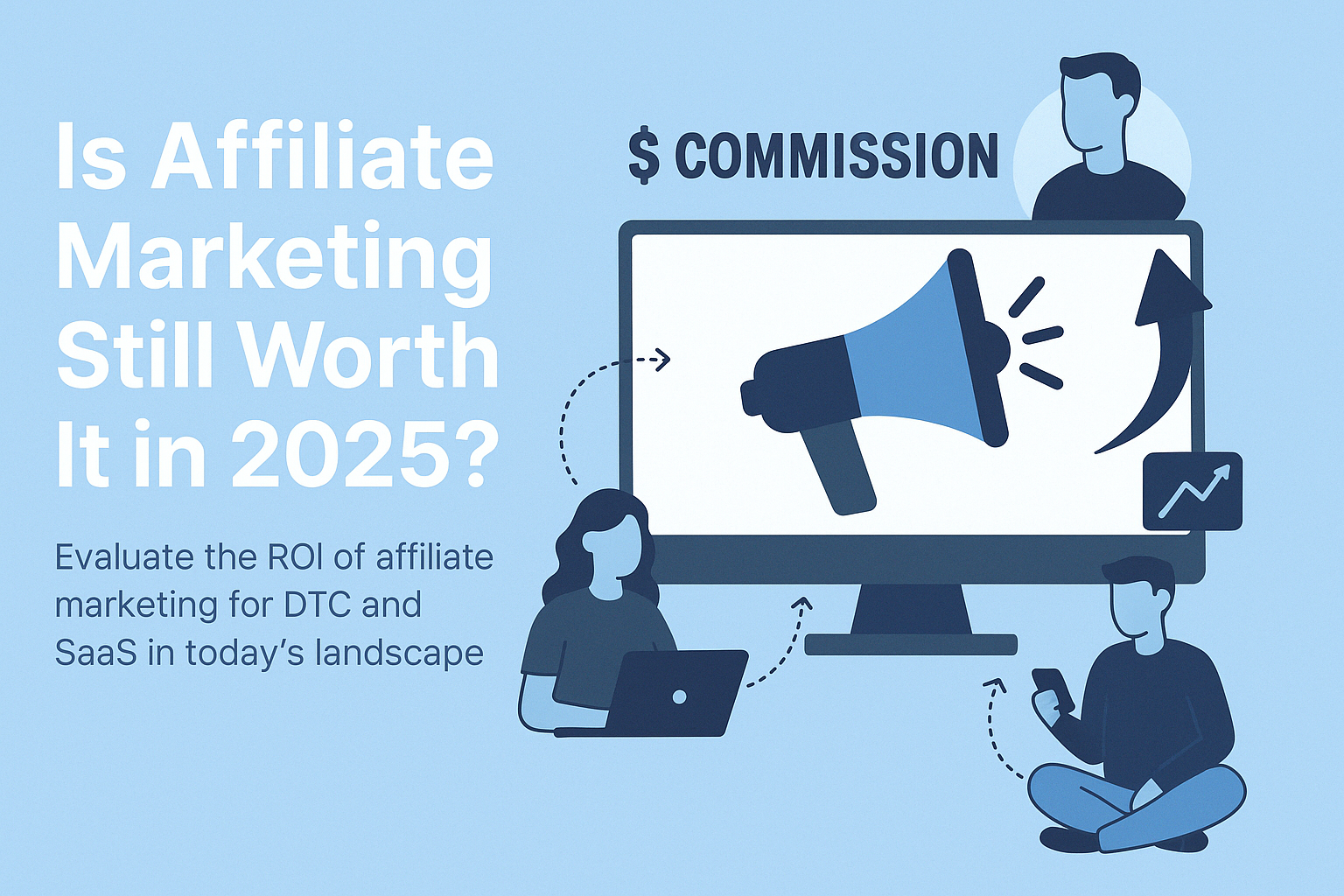
Should Your Brand Use Affiliate Marketing in 2025

Should Your Brand Use Affiliate Marketing in 2025?

Affiliate marketing has been around since the early days of the internet, but its relevance and effectiveness have continued to evolve. In 2025, as brands face rising acquisition costs, evolving consumer privacy laws, and platform algorithm changes, the question arises: Is affiliate marketing still worth it? The short answer: Yes but only if done right.This article will guide you through the latest affiliate marketing trends, benefits, limitations, and execution strategies tailored for DTC brands, SaaS companies, and performance marketers. Table of Contents 1. What is Affiliate Marketing? Affiliate marketing is a performance-based marketing strategy where brands pay affiliates (publishers, influencers, bloggers) a commission for driving conversions — whether that’s clicks, leads, or sales. Key Terms: 2. Why Affiliate Marketing Still Matters in 2025 Here’s why affiliate marketing hasn’t just survived, but is thriving in 2025: Cost-Efficient: Brands only pay for performance, not impressions or reach. No upfront ad costs, unlike paid media. Privacy-Friendly: Post-iOS 14.5 and GDPR, tracking users through ads has become harder. Affiliates drive traffic directly through their content, sidestepping platform-level attribution issues. High Trust: Affiliate content is often native and trusted, especially when published by influencers, bloggers, or niche media outlets. Scalable: You can grow your program from 5 to 5,000 affiliates without increasing fixed costs. 3. Affiliate Marketing vs Influencer Marketing While the two often overlap, they’re distinct: Metric Affiliate Marketing Influencer Marketing Payment Model Performance-based (CPS) Flat fee or hybrid Focus Conversions/Sales Reach/Awareness Best For Scalable ROI campaigns Brand building Tracking Method Links/codes View + engagement-based 2025 Trend: Many influencers are now switching to affiliate-first models to monetize their followings better and provide proof of performance to brands. 4. How Affiliate Marketing Works in 2025 Here’s a simplified version of the current affiliate funnel: Modern tracking includes: 5. Types of Affiliate Programs Revenue Share (CPS – Cost Per Sale) Most common model affiliate earns a % per sale. Flat Fee per Lead (CPL) Useful for SaaS, subscriptions, and lead-gen funnels. Tiered Commission Incentivizes affiliates to sell more with escalating commissions. Hybrid (Influencer + Affiliate) Pay a base + performance bonus to top-tier creators. 6. Affiliate Marketing for DTC Brands Direct-to-Consumer (DTC) brands love affiliate marketing because it: Best-performing content formats in 2025: DTC Tip: Offer exclusive discount codes to affiliates. They work exceptionally well on TikTok, IG Stories, and YouTube descriptions. 7. Affiliate Marketing for SaaS Companies SaaS businesses benefit from recurring revenue and longer customer LTV.This makes affiliate marketing a strong channel if structured correctly. Popular SaaS affiliate models: Successful strategies: 8. Common Pitfalls to Avoid Neglecting Affiliate VettingDon’t auto-approve everyone. Poor affiliates can damage your brand. Lack of Clear GuidelinesAffiliates need creative assets, CTAs, messaging frameworks, and branding rules. Ignoring Attribution IssuesUse multiple attribution methods (link + code + post-purchase survey) for accuracy. Late PayoutsPaying on time builds loyalty. Delays damage trust and program reputation. One-Size-Fits-All CommissionReward high-performers with custom commission tiers or bonuses. 9. Future Trends in Affiliate Marketing Influencers as Affiliates Micro and nano-influencers are now demanding performance-based models. Expect more “affiliate-only” creators in 2025. AI-Powered Matching New affiliate platforms use AI to pair brands with top-fit affiliates based on niche, past performance, and audience overlap. Live Shopping + Affiliate TikTok Shop, Amazon Live, and Meta’s in-app shopping enable affiliate-powered commerce during livestreams. Affiliate UGC Licensing Brands are starting to license affiliate-generated content for use in ads, email, and website creatives — improving ROI beyond the affiliate sale. 10. Affiliate Tools and Platforms in 2025 Here are the top tools for managing affiliates in 2025: Tool Best For Features Refersion DTC brands Shopify integration, payouts, UTM tracking PartnerStack SaaS programs Tiered commission, analytics, CRM integration Impact.com Large-scale affiliate programs Discovery marketplace, deep reporting Tapfiliate Simple startup programs Easy setup, coupons, email templates UpPromote Influencer + affiliate mix Ideal for TikTok & IG creators 11. ROI: How to Measure Success Affiliate marketing ROI should be judged not just by last-click sales, but also by: Example: If an affiliate drives 100 customers at $40 CPA and each has an average LTV of $180, the ROI is significant compared to $90+ CPAs on Meta or Google. 12. FAQs About Affiliate Marketing in 2025 Q1: Is affiliate marketing still profitable in 2025? Yes. If set up with the right partners, tracking, and incentives, affiliate marketing remains one of the highest ROI channels, especially for DTC and SaaS. Q2: What commission rates should I offer? It varies: Q3: Should I use an affiliate network or build in-house? Q4: How do I recruit affiliates? Q5: What verticals benefit the most from affiliate marketing? Should Your Brand Use Affiliate Marketing in 2025? Affiliate marketing remains one of the most cost-efficient, trust-driven, and scalable strategies in the marketer’s toolkit. Whether you’re a fast-scaling DTC brand or a SaaS startup, building the right affiliate infrastructure today can pay off massively over the next 12 months. Done correctly, affiliate marketing can: So, if you’re wondering whether your brand should invest in affiliate marketing in 2025 the answer is absolutely. Just be strategic, patient, and performance-focused.

Read more
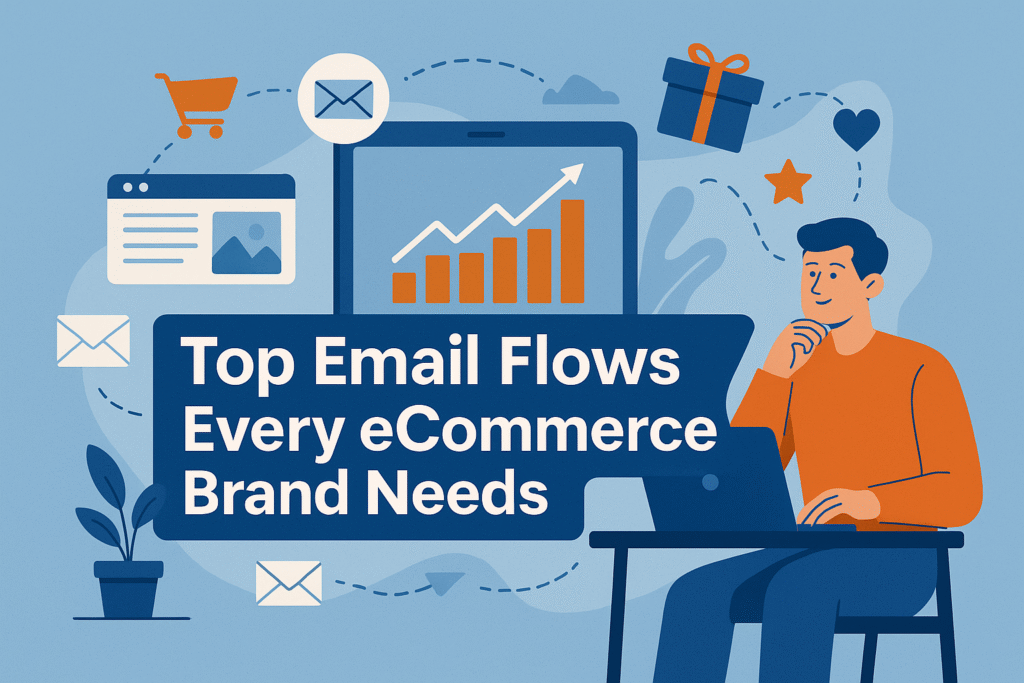
Top Email Flows Every E-Commerce Brand Needs

Top Email Flows Every E-Commerce Brand Needs

In the hyper-competitive world of eCommerce, email marketing remains one of the most powerful tools in your marketing stack. But success doesn’t come from sending random promotional emails. It comes from setting up strategic, automated email flows that guide the customer through their journey from first interaction to repeat purchase and beyond. Here’s a detailed breakdown of the top email flows every eCommerce brand should have in 2025 along with tips to optimize them for better open rates, conversions, and brand loyalty. 1. Welcome Series Purpose: Make a great first impression and guide new subscribers toward a purchase. Why it matters: Your welcome email is your best-performing email. It often sees open rates above 50%. A well-crafted welcome flow warms up your leads and converts them into buyers. What to include: Pro tip: Don’t stop at one email use a series of 3–5 emails spaced over a few days. 2. Abandoned Cart Flow Purpose: Recover lost revenue from shoppers who leave without checking out. Why it matters: On average, 70% of online carts are abandoned. A cart recovery flow can help recover 15–20% of those lost sales. What to include: Pro tip: Send 3 emails one after 1 hour, one after 24 hours, and one after 72 hours. 3. Post-Purchase Flow Purpose: Build loyalty and reduce buyer’s remorse after a sale. Why it matters: The customer journey doesn’t end at checkout. Keeping customers engaged after purchase boosts repeat purchases and brand affinity. What to include: Pro tip: Personalize the post-purchase journey based on product category. 4. Win-Back Flow Purpose: Re-engage inactive customers who haven’t purchased in a while. Why it matters: It costs 5x more to acquire a new customer than to retain an existing one. A win-back flow gives you another chance to activate lapsed buyers. What to include: Pro tip: Segment based on time since last purchase (e.g., 30, 60, 90 days). 5. Browse Abandonment Flow Purpose: Reconnect with shoppers who viewed products but didn’t add anything to cart. Why it matters: This is a subtle way to re-engage high-intent visitors who showed interest but didn’t commit. What to include: Pro tip: Trigger these emails within 1–2 hours for higher conversion rates. 6. VIP & Loyalty Flow Purpose: Reward your most loyal customers to increase retention and word-of-mouth. Why it matters: Top customers can drive 80% of your revenue. Rewarding them keeps them happy and talking about you. What to include: Pro tip: Use dynamic segmentation to identify high-spending or frequent buyers. 7. Seasonal or Promotional Campaign Flow Purpose: Drive revenue spikes during key shopping seasons or events. Why it matters: Email is still the #1 revenue driver during holidays like Black Friday, Christmas, or site-wide sales. What to include: Pro tip: Automate flows around key events and holidays using your marketing calendar. Bonus Tips for Optimizing Email Flows Facts Building effective email flows isn’t just a “nice to have” it’s a core growth lever for modern eCommerce brands. These automated journeys not only boost conversions but also deepen customer relationships and drive long-term brand loyalty. By setting up these essential flows and continuously optimizing them you’re giving your brand a scalable, data-backed way to thrive in 2025’s crowded eCommerce space.

Read more
Contact us

Full-Service Data & Email Marketing Agency

Turn your marketing communications into a sales powerhouse and increase revenue with full-service email marketing.

Email us at: info@connectdigitalventures.com

Your benefits:

What happens next?

1

We Schedule a call at your convenience 

2

We do a discovery and consulting meting 

3

We prepare a proposal 

Request a Free Sample/Campaign Demo