digital marketing

Social Proof: How to Use It to Build Trust

Social Proof: How to Use It to Build Trust

Imagine you’re looking to buy a new product online. One brand has zero reviews, while another boasts glowing testimonials and user photos. Which one are you more likely to trust? That instant bias you feel isn’t a coincidence—it’s social proof in action. In a digital world saturated with options, trust is currency, and social proof is one of the most powerful tools businesses can use to establish credibility, influence decisions, and drive conversions. What Is Social Proof? Social proof is the psychological phenomenon where people mimic the actions of others, assuming those actions represent the correct behavior. In marketing, it’s the validation your audience gets from seeing that others have tried, tested, and loved your product or service. Types of Social Proof: Why Social Proof Works According to Nielsen, 92% of consumers trust recommendations from peers over branded content. Here’s why social proof is so effective: How to Use Social Proof Effectively 1. Showcase Customer Testimonials Include direct quotes from happy customers. Use their name, job title, or photo for added authenticity. “Since partnering with CDV, our email open rates have doubled.” — Amanda R., Marketing Director 2. Leverage User-Generated Content (UGC) Encourage customers to share photos or videos using your product and feature them on your site and social media. 3. Use Numbers to Your Advantage Highlight impressive statistics like: 4. Display Logos of Notable Clients B2B? Flaunt the brands that trust you. Seeing familiar logos builds instant trust. 5. Incorporate Reviews Strategically Place reviews near CTAs on landing pages, product pages, or pricing pages to help visitors decide when it matters most. 6. Highlight Endorsements from Experts or Influencers People trust the people they admire. A quick quote or repost from a respected voice in your niche can go a long way. Real-World Examples FAQs About Social Proof 1. What kind of social proof is best for small businesses? Start with customer testimonials and Google reviews. They’re easy to collect and highly impactful. 2. How often should I update my testimonials? Quarterly, or whenever you launch a new service or achieve a major client milestone. 3. Is fake social proof okay? No. Faked reviews or testimonials are unethical and can severely damage trust if uncovered. 4. Can I use logos of companies I’ve worked with? Yes, but make sure you have their permission or it’s clearly part of a public case study. 5. How do I encourage customers to leave reviews? Ask! Use automated follow-up emails, incentives, or review request forms post-purchase. Final Thoughts In a time where skepticism is high and trust is hard-earned, social proof bridges the gap between doubt and decision. It’s not just about looking credible—it’s about being credible and letting your audience see that others already believe in your brand.
Read more
How to Set SMART Goals for Marketing Success

How to Set SMART Goals for Marketing Success

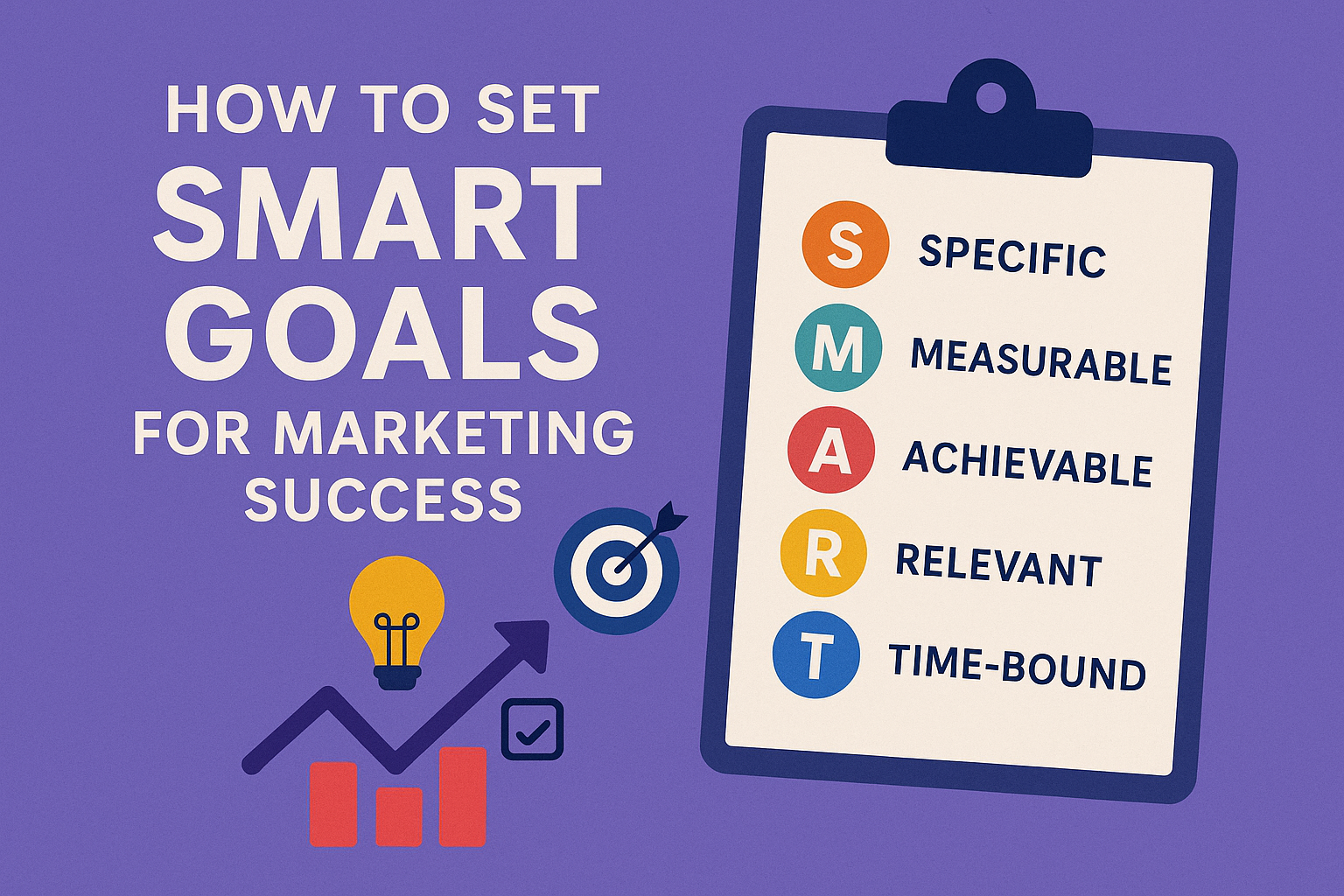
Introduction: Why SMART Goals Are a Marketer’s Secret Weapon In the fast-paced world of marketing—where campaigns compete for attention, budgets shift overnight, and trends evolve at lightning speed—goal setting isn’t just helpful, it’s essential. But vague goals like “get more followers” or “increase website traffic” won’t move the needle. What you need are SMART goals: objectives that are Specific, Measurable, Achievable, Relevant, and Time-bound. Whether you’re a startup founder planning your first campaign or a CMO overseeing multiple channels, SMART goals are the foundation of accountability, strategy, and measurable success. What Are SMART Goals? SMART is an acronym that stands for: These five principles help businesses define clear, strategic objectives that are actionable and results-driven. Let’s break them down: The 5 Elements of SMART Marketing Goals 1. Specific Goals must be clear and well-defined. Instead of saying, “We want to grow our social media,” aim for something like: “Increase our Instagram followers by 15% over the next 90 days.” 2. Measurable You need data points to evaluate your progress. Use metrics like click-through rates, email open rates, conversion rates, or cost per lead. ✔ Bad: “We want to improve our email marketing.”👍 Better: “Increase our average email open rate from 18% to 25% over the next two months.” 3. Achievable Set goals that are ambitious but attainable based on your resources. Unrealistic targets lead to frustration and burnout. Consider past data, team capacity, and current tools when setting expectations. 4. Relevant Make sure your goal aligns with broader business objectives. If your brand is prioritizing customer acquisition, focus on lead generation or trial sign-ups—not vanity metrics. 5. Time-bound Set a deadline. Without a clear time frame, there’s no urgency or accountability. Example: “Generate 1,000 qualified leads from Facebook Ads by the end of Q3.” Examples of SMART Marketing Goals Here’s how SMART goals look in real life: Why SMART Goals Drive Better Marketing Results How to Implement SMART Goals in Your Marketing Plan FAQs on SMART Marketing Goals 1. Can SMART goals be applied to content marketing? Yes! For example: “Publish 8 SEO-optimized blog posts that drive 5,000 unique visits in 60 days.” 2. What’s a common mistake marketers make with goal setting? Being too vague or unrealistic—like “go viral” or “double our revenue in a month.” 3. Do SMART goals apply to branding efforts too? Absolutely. Example: “Increase brand recall by 15% in Q4 through video ad campaigns.” 4. How many goals should a marketing team set? Focus on 3–5 key goals per quarter to stay strategic and manageable. 5. What tools can help track SMART goals? Google Analytics, HubSpot, Notion, Asana, Salesforce, and Excel dashboards are all helpful tools. Final Thoughts SMART goals aren’t just another business buzzword—they’re the strategic framework that separates busy marketing from impactful marketing. By setting goals that are specific, measurable, achievable, relevant, and time-bound, you ensure your campaigns don’t just run—they perform, scale, and succeed. Ready to take your marketing to the next level? Start with SMART goals—and watch the clarity, focus, and results follow.

Read more
How to Write Email Subject Lines That Actually Get Clicked

How to Write Email Subject Lines That Actually Get Clicked

How to Write Email Subject Lines That Actually Get Clicked In a crowded inbox, your subject line is the gatekeeper to your email content. No matter how brilliant your offer, design, or call to action is, if your subject line fails to grab attention, the rest of your email won’t even get a glance. As brands battle for attention, crafting compelling email subject lines is no longer just a good practice—it’s a necessity. Here’s how you can write subject lines that not only get noticed but also drive real action. Why Subject Lines Matter So Much Your subject line is the first impression, the hook, and often the deciding factor for whether someone will open your email. With open rates directly tied to subject line performance, marketers must view them as a critical part of their email strategy. According to Campaign Monitor, 47% of recipients open an email based solely on the subject line, while 69% report emails as spam based on it. That’s a lot of power for one line of text. Proven Strategies to Write Click-Worthy Subject Lines 1. Keep It Short and Clear Most email clients cut off subject lines after 40–60 characters. Keep it concise and make every word count. Aim for 6–10 words or fewer to ensure it’s fully visible across devices. ✅ Example: “50% Off Today Only – Don’t Miss Out!” 2. Create Urgency or Scarcity People respond to time-sensitive deals. Words like “limited,” “today,” and “ending soon” can motivate recipients to take action now. ✅ Example: “Only 2 Hours Left to Claim Your Gift 🎁” 3. Personalization Wins Using the recipient’s name or tailoring based on past behavior (like abandoned carts or past purchases) can significantly boost engagement. ✅ Example: “Hey Sarah, Your Favorite Sneakers Are Back in Stock!” 4. Ask a Compelling Question Questions pique curiosity and invite clicks. Make sure the answer lies within your email. ✅ Example: “Are You Making These Marketing Mistakes?” 5. Use Numbers and Lists Emails that include numbers are easier to process and more enticing. ✅ Example: “5 Easy Ways to Grow Your Audience This Month” Bonus Tips 5 Common Subject Line Mistakes to Avoid FAQs 1. How long should an email subject line be? Ideally, keep it under 50 characters to ensure visibility across devices. 2. Can I use emojis in subject lines? Yes, but use them sparingly and only if they align with your brand voice and audience preferences. 3. What are some examples of high-performing subject lines? “Your Free eBook is Here!” or “Don’t Miss This: Exclusive 24-Hour Deal” are effective due to clarity and urgency. 4. Should I personalize every subject line? Where possible, yes. Personalized emails have higher open and click-through rates. 5. How do I A/B test a subject line? Split your audience into two groups. Send each a different subject line, and compare open and click-through rates. Final Thoughts Subject lines may be short, but their impact is massive. Mastering the art of writing effective email subject lines will dramatically improve your open rates, engagement, and ultimately, conversions. Invest the time to test, tweak, and refine. Because in email marketing, your subject line isn’t just the beginning—it’s everything.

Read more
How Video Content Boosts Social Media Engagement

How Video Content Boosts Social Media Engagement

In an era where attention spans are shrinking and content consumption is at an all-time high, video has emerged as the dominant force on social media. From short-form TikToks to long-form YouTube storytelling and Instagram Reels, video content is revolutionizing how brands connect with audiences. Whether you’re a startup or an established enterprise, incorporating video into your social media strategy is no longer optional—it’s essential. But why is video content so effective at engaging audiences, and how can your brand harness its full potential? Why Video Content Wins on Social Media Best Practices for Using Video on Social Media 5 Common Video Types That Drive Engagement FAQs About Video Content and Social Media Engagement Q1. Why is video content more effective than images or text on social media?Video content combines visuals, audio, and motion, making it more engaging and memorable. It also performs better with platform algorithms. Q2. What type of video content performs best?Short, entertaining, or informative videos with a clear hook and message generally perform best. The optimal type also depends on your audience and platform. Q3. How often should I post video content?Consistency matters more than frequency. Aim for at least 1–2 videos per week across platforms, adjusting based on performance and engagement data. Q4. Do I need professional equipment to create effective video content?Not necessarily. Smartphones today can shoot high-quality videos. Focus on good lighting, sound, and storytelling over expensive gear. Q5. How do I measure the success of video content?Key metrics include views, watch time, engagement rate (likes, shares, comments), click-through rate (CTR), and conversions. Final Thoughts Video content is more than a trend—it’s a fundamental pillar of effective social media strategy. With the right approach, it can increase your brand visibility, build stronger relationships with your audience, and convert followers into loyal customers. Now is the time to hit record and let your brand story unfold.

Read more
The Impact of Sustainable Packaging on Your Brand Image

Crafting Content That Converts: A Beginner’s Guide

In today’s fast-paced digital landscape, content is everywhere—but content that converts? That’s rare. Whether you’re running a small business, launching a startup, or scaling a digital brand, mastering content that drives action is critical to growth. This beginner’s guide breaks down how to write content that not only captures attention but turns readers into leads, customers, and loyal advocates. Why Conversion-Driven Content Matters Content isn’t just for SEO or keeping your website fresh—it’s a strategic tool to drive business outcomes. Whether you want users to sign up for a newsletter, book a consultation, or make a purchase, content needs to serve a clear purpose: conversion. According to HubSpot, companies that prioritize blogging and content marketing generate 67% more leads than those that don’t. But not all content is created equal. The difference between a casual reader and a paying customer lies in how well your content persuades, engages, and directs. Step-by-Step Guide to Crafting Content That Converts 1. Know Your Audience Intimately Before you write a single word, understand who you’re writing for: Build detailed buyer personas and tailor your tone, message, and format to match. 2. Start with a Clear Goal Each piece of content should answer: What action do I want the reader to take?Whether it’s clicking a CTA, downloading a free guide, or scheduling a call, define the goal before drafting. 3. Use Compelling Headlines Your headline is the gateway to your content. Make it: Example: “How to Double Your Sales in 30 Days Using Only Email Marketing” 4. Lead With Value Hook readers with an engaging intro. Show them you understand their problem, then quickly offer a solution or tease the payoff. Tip: Use storytelling, statistics, or a question to spark curiosity. 5. Structure for Readability Good content is scannable: 6. Incorporate Social Proof Testimonials, case studies, and data points build trust. Readers are more likely to take action when they see proof that others did—and succeeded. 7. Include a Strong CTA (Call-to-Action) Guide the reader to the next step. Examples: Make it actionable, urgent, and clear. 8. Optimize for SEO & Performance Even great content won’t convert if it’s never found. Do keyword research and optimize: Common Mistakes to Avoid 5 FAQs About Writing Conversion-Focused Content Q1: How long should my content be to convert?A: It depends on the goal. Blog posts between 1,000–2,000 words often perform well, but landing pages or product copy might be shorter. Value > length. Q2: Should I hire a content writer or do it myself?A: If writing isn’t your strength, hiring a pro can improve quality and conversion. But with the right framework, anyone can learn. Q3: Can I repurpose existing content to be more conversion-focused?A: Absolutely. Update content with clear CTAs, better structure, and more targeted messaging. Q4: How do I measure if my content is converting?A: Track metrics like click-through rates, time on page, bounce rate, and conversion goals (e.g., form fills, downloads). Q5: What tools can help with content conversion?A: Try tools like Grammarly (writing clarity), SurferSEO (optimization), Hotjar (user behavior), and HubSpot (lead capture). Final Thoughts Crafting content that converts is both an art and a science. It’s about understanding your audience, delivering value, and guiding readers toward a clear outcome. Whether you’re launching your first campaign or refining your content strategy, remember this: Content without purpose is noise. Content with intention is powerful.

Read more
How to Turn Social Media Followers Into Paying Customers

How to Turn Social Media Followers Into Paying Customers

In the era of digital dominance, social media isn’t just about likes, shares, and comments—it’s about conversion. Brands today are not only fighting for visibility but also for tangible business outcomes. And the key lies in transforming casual followers into loyal, paying customers. Whether you’re a startup or an established enterprise, the true ROI of social media marketing comes when your audience stops scrolling and starts buying. Here’s how to make that happen. 1. Understand Your Audience First Before you sell, you must listen. Analyze your followers’ behavior, interests, and pain points through insights, polls, and engagement metrics. The better you understand them, the more effectively you can speak their language and deliver what they want. Tip: Use Instagram Stories, Twitter polls, or LinkedIn surveys to gather real-time data. 2. Build a Trustworthy Brand Presence People buy from brands they trust. Ensure your social media profiles are consistent, professional, and reflective of your brand identity. Clear bios, branded highlights, and a cohesive content strategy build familiarity and confidence. Bonus: Feature user-generated content and testimonials to build social proof. 3. Offer Value Before Selling Use the 80/20 rule: 80% value-driven content (tips, inspiration, education) and 20% promotional content. Delivering free value positions your brand as a helpful authority, making your paid offers more compelling. Content Ideas: 4. Create Irresistible Lead Magnets Turn followers into leads with a compelling reason to give their contact info. Offer free downloadable guides, webinars, or discount codes in exchange for email addresses. Example:“Get our FREE 7-day social media growth checklist—link in bio!” 5. Use Clear CTAs That Drive Action Every post should have a purpose. Whether it’s directing followers to your shop, newsletter, or booking page, include strong calls to action (CTAs). Effective CTA Examples: 6. Leverage Social Commerce With tools like Instagram Shopping, Facebook Shops, and TikTok Shop, users can now buy directly from your feed. Tag products, create curated collections, and use platform-specific tools to reduce friction in the buyer journey. 7. Retarget and Nurture with Ads Many users won’t convert immediately. Retargeting helps bring warm leads back into your funnel. Use Meta or Google Ads to retarget website visitors or engaged followers with tailored messaging. 8. Build Email and SMS Funnels Once someone opts into your lead magnet, nurture them via automated email or SMS flows. Deliver value consistently, share customer success stories, and promote limited-time offers to drive conversions. 9. Create Exclusive Offers for Followers Reward your community with follower-only promos, early access launches, or giveaways. This boosts loyalty and incentivizes action. 10. Track, Test, Optimize Use UTM codes, analytics, and A/B testing to track what’s working. Refine your CTAs, landing pages, and content formats based on actual performance. FAQs 1. How long does it take to turn followers into customers?It varies by niche and strategy. With the right approach, you may start seeing conversions within weeks, but consistent nurturing over months usually drives sustainable results. 2. Do I need a large following to make sales on social media?Not necessarily. A highly engaged, niche audience can drive more conversions than a large but passive one. 3. What platform converts best for sales?It depends on your audience. Instagram and TikTok work well for B2C, while LinkedIn often excels for B2B sales. 4. Should I invest in ads to drive conversions?Yes, especially for retargeting and lead generation. Ads can accelerate conversion when combined with organic strategies. 5. How do I measure success?Track metrics like conversion rate, cost per acquisition (CPA), average order value (AOV), and return on ad spend (ROAS) alongside engagement.

Read more
Email Marketing Automation: Tools & Strategies That Drive Results

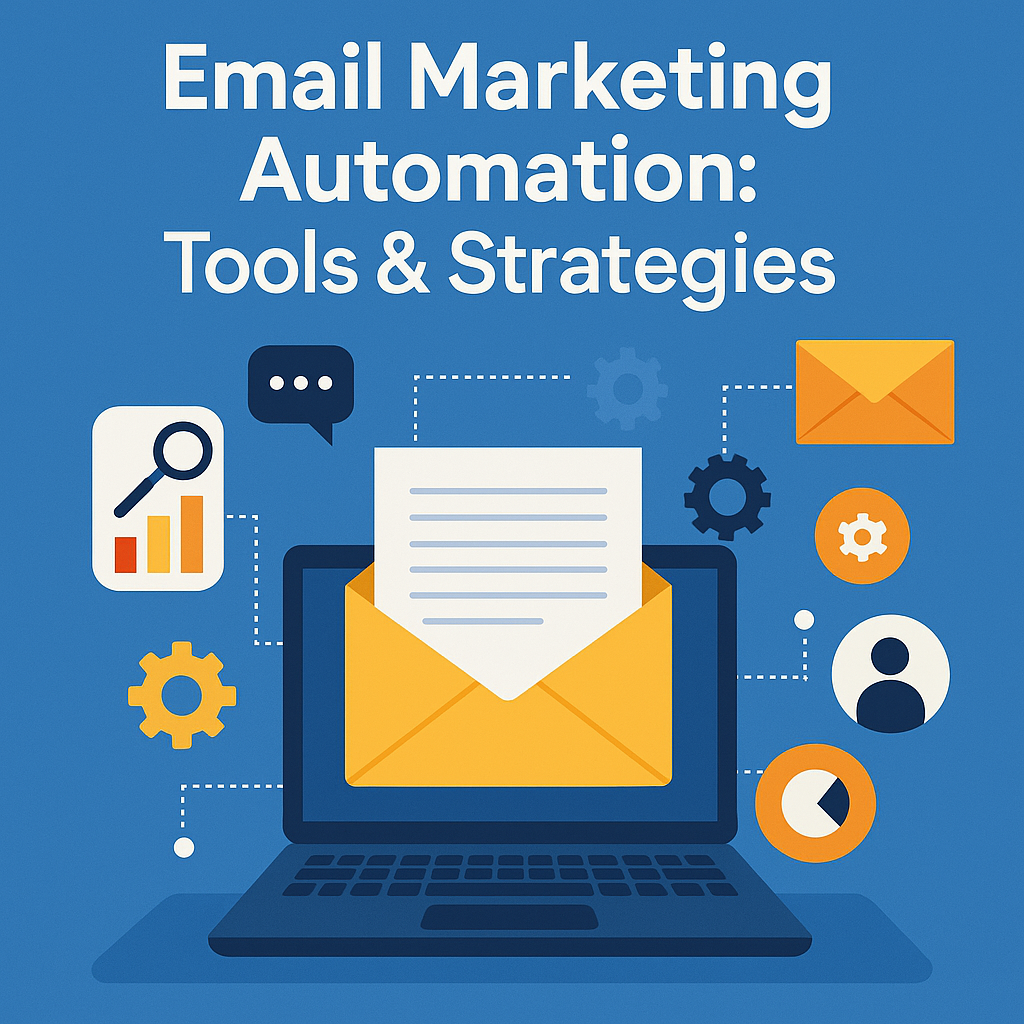
Email Marketing Automation: Tools & Strategies That Drive Results

In today’s hyper-competitive digital landscape, brands that fail to automate their email marketing risk falling behind. As consumers demand timely, personalized communication, email automation has emerged as a cornerstone of modern marketing strategies. From nurturing leads to reactivating dormant customers, the power of email marketing automation lies in its ability to scale relationships while saving time and increasing ROI. This article delves deep into the tools and strategies essential for successful email marketing automation—and how businesses of all sizes can capitalize on them. What Is Email Marketing Automation? Email marketing automation refers to the process of sending targeted, timely, and personalized emails to subscribers using predefined triggers and workflows. Instead of manually sending emails to each contact, automation allows marketers to deliver the right message at the right time—automatically. Automation can be as simple as a welcome email series or as complex as multi-step behavioral sequences that adjust based on user actions. Why Email Automation Matters Top Email Marketing Automation Tools (2025 Edition) Effective Email Automation Strategies Tips to Maximize Automation Success FAQs About Email Marketing Automation 1. What’s the difference between email marketing and automation?Email marketing is the broader practice of using email to communicate with audiences. Automation involves setting up workflows and triggers to send emails automatically based on user actions or timelines. 2. Is automation suitable for small businesses?Yes. Tools like Mailchimp and ConvertKit make automation accessible and scalable for businesses of all sizes. 3. How can I personalize automated emails?Use dynamic fields, behavioral triggers, purchase history, and user preferences to deliver relevant content. 4. How do I measure automation success?Track open rates, click-throughs, conversion rates, revenue generated, and list growth metrics. 5. How often should I update my workflows?Review and optimize your workflows every quarter to adapt to audience behavior and campaign goals. Conclusion Email marketing automation is more than just a time-saving tool—it’s a powerful strategy to build customer relationships, drive conversions, and grow your brand. With the right tools and tactics in place, businesses can create intelligent campaigns that deliver measurable results while elevating the customer experience.

Read more
Managed Email Marketing: A Complete Beginner’s Guide

Managed Email Marketing: A Complete Beginner’s Guide

Introduction In today’s fast-paced digital ecosystem, email marketing remains one of the most effective and direct ways to engage with customers. But running a high-performing email campaign takes more than just writing a catchy subject line and hitting “send.” From list segmentation and content strategy to automation workflows and performance tracking, it’s easy to get overwhelmed. That’s where Managed Email Marketing steps in—a full-service solution that allows businesses to hand over the reins to experts who can strategize, execute, and optimize campaigns on their behalf. Whether you’re a small business owner or part of a large enterprise, this guide will walk you through the essentials. What Is Managed Email Marketing? Managed email marketing is an end-to-end service that handles every aspect of your email campaigns. This includes campaign planning, content creation, list management, audience segmentation, A/B testing, automation setup, reporting, and optimization. These services are usually delivered by a digital marketing agency or a specialized email marketing firm. The aim? To help businesses drive conversions, nurture leads, and retain customers without investing in a full in-house team. Why Your Business Needs It Core Components of Managed Email Marketing Who Can Benefit? Managed email marketing is ideal for: 5 Frequently Asked Questions (FAQs) 1. What’s the difference between managed and DIY email marketing?DIY email marketing requires your team to handle everything—from content and design to scheduling and optimization. Managed services take all of this off your plate, often yielding better results due to expertise and experience. 2. Is managed email marketing cost-effective for small businesses?Yes. While there’s an upfront investment, the time saved, professional quality, and better results often lead to a higher ROI in the long run. 3. Will I lose control over my brand’s voice?Not at all. Agencies work closely with you to maintain brand consistency. You review and approve all campaigns before they go out. 4. How often should campaigns be sent?That depends on your goals, audience, and industry. Most managed services help determine an optimal frequency based on data and testing. 5. How long does it take to see results?Many businesses see improved engagement within a few weeks. For significant ROI and customer retention, expect 1–3 months of consistent campaigns and optimization. Final Thoughts Managed email marketing isn’t just a luxury—it’s a smart business move. In an era where attention is currency, partnering with experts ensures that your brand stands out in every inbox. Whether you’re aiming for lead generation, customer retention, or direct sales, email marketing remains a powerhouse—and with the right management, its potential is limitless.

Read more
Contact us

Full-Service Data & Email Marketing Agency

Turn your marketing communications into a sales powerhouse and increase revenue with full-service email marketing.

Email us at: info@connectdigitalventures.com

Your benefits:

What happens next?

1

We Schedule a call at your convenience 

2

We do a discovery and consulting meting 

3

We prepare a proposal 

Request a Free Sample/Campaign Demo