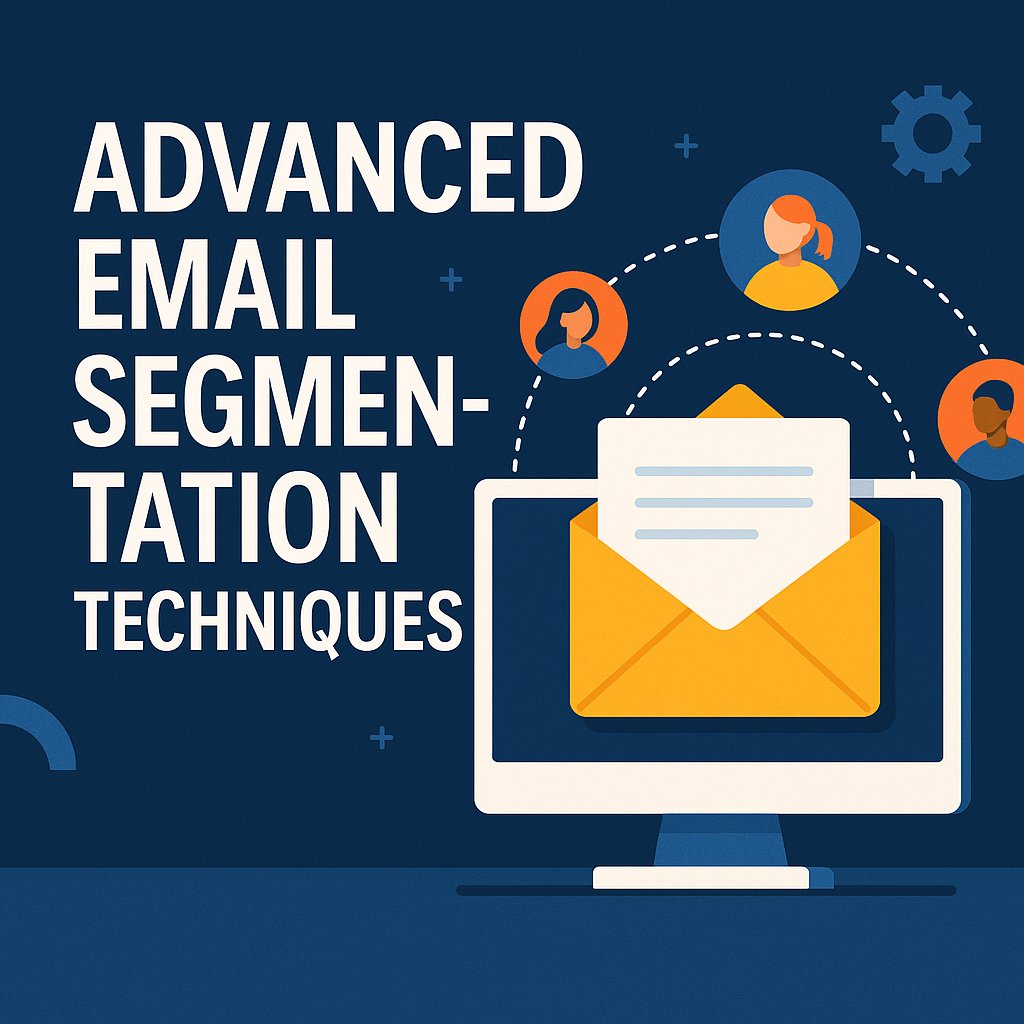
Advanced Email Segmentation Techniques to Boost Engagement and Conversions
Email marketing is far from dead — in fact, it’s evolving. While many brands still rely on basic segmentation (like separating contacts by gender or age), leading marketers are tapping into advanced email segmentation techniques to personalize at scale and drive measurable business growth.
In today’s article, we’ll explore how to level up your email segmentation strategy beyond the basics — diving into behavioral data, purchase history, real-time triggers, and more. Mastering these approaches means higher open rates, click-throughs, and conversions.
Why Segmentation Matters More Than Ever
Segmentation enables you to deliver the right message to the right person at the right time. Without it, your emails feel generic and irrelevant. According to Campaign Monitor, segmented campaigns can drive up to 760% more revenue than non-segmented ones.
Advanced segmentation moves you from simply “targeting a list” to crafting campaigns that feel uniquely tailored to the recipient.
1. Behavior-Based Segmentation
Segment users based on how they interact with your website, app, or previous emails.
Examples:
- Browsed a product but didn’t purchase
- Clicked a specific link in an email
- Abandoned a cart
- Attended a webinar
Why it works: You’re meeting users where they are in their journey — with messaging that matches their intent.
2. Lifecycle Stage Segmentation
Identify where a subscriber is in the customer journey and adapt your messaging accordingly.
Lifecycle segments include:
- New subscribers
- First-time buyers
- Repeat customers
- Inactive/lapsed users
Strategy: Use welcome series for new subscribers, loyalty offers for repeat customers, and win-back emails for those who haven’t engaged recently.
3. Purchase History & Frequency
Dig into what customers have previously bought to suggest complementary products, upsell higher-value items, or send replenishment reminders.
Tactics:
- Recommend accessories or refills
- Offer discounts on repeat purchases
- Segment by high-spenders vs. bargain shoppers
This technique boosts cross-selling and customer lifetime value (CLV).
4. Predictive Segmentation Using AI
Tools like HubSpot, Klaviyo, and Salesforce now offer AI-driven segmentation that predicts future behaviors, such as:
- Likelihood to purchase
- Likelihood to unsubscribe
- Likelihood to churn
Application: You can prioritize high-intent users with timely promotions or re-engage cold leads before they drop off entirely.
5. Engagement Level Segmentation
Track email opens, click-through rates, and overall activity to segment:
- Highly engaged users
- Occasionally engaged
- Unengaged subscribers
Why: Don’t bombard disengaged users. Instead, tailor reactivation or re-permission campaigns to reignite interest — or consider list cleaning to maintain deliverability.
6. Geographic and Time-Zone Segmentation
Send emails when your audience is most likely to check them — in their local time zones. You can also customize messaging based on:
- Location-based offers
- Regional events or holidays
- Local language or dialect
7. Device and Email Client Segmentation
Analyze whether users check emails on mobile, desktop, or specific clients (e.g., Gmail, Outlook).
Benefits:
- Optimize design for their device
- Tailor content (e.g., shorter emails for mobile users)
- Prevent formatting issues on different platforms
8. Customer Value-Based Segmentation
Group users by their revenue contribution or loyalty level. For instance:
- VIP customers
- One-time purchasers
- Discount seekers
Actionable Tip: Treat your VIPs like royalty with early access or exclusive deals. Don’t waste your budget retargeting users who never convert.
FAQs
1. What tools are best for advanced email segmentation?
Platforms like Klaviyo, ActiveCampaign, Mailchimp, and HubSpot offer robust segmentation features. Many include pre-built behavioral filters and integrations with CRMs and eCommerce platforms.
2. How many segments should I create?
There’s no “right” number. Start with 3–5 key segments and expand as your strategy matures. The goal is quality over quantity — don’t over-segment without a purpose.
3. What data do I need to implement advanced segmentation?
You’ll need access to behavioral data, purchase history, engagement metrics, and demographic details. Integrating your CRM and analytics tools is key.
4. How can I test which segments perform best?
Run A/B tests within each segment. For example, test subject lines or call-to-actions for high-spenders vs. first-time buyers to see what resonates most.
5. How do I maintain privacy while segmenting?
Always comply with GDPR, CCPA, and email consent laws. Use anonymized data where possible, and be transparent with users about how their data is used.
Final Thoughts
Segmentation is no longer a “nice to have” — it’s a marketing must. By embracing advanced segmentation techniques, you’ll move beyond broad-based email blasts to precision-targeted campaigns that speak directly to your audience’s needs.