Introduction
In a digital world flooded with fleeting impressions and distractions, email remains one of the most powerful tools in a brand’s marketing arsenal. However, not all email strategies are created equal. While many businesses rely on simple tools to send newsletters or offers, full-service email marketing goes beyond just sending emails — it’s about delivering results-driven campaigns that are automated, personalized, and aligned with your brand’s goals.
In this article, we’ll explore what full-service email marketing truly means, the key services included, why it’s essential for scaling your business, and how to choose the right partner for the job.
What is Full-Service Email Marketing?
Full-service email marketing refers to an all-inclusive solution where a specialized agency or marketing partner handles every aspect of your email campaigns. This comprehensive approach is ideal for businesses that want expert strategy, creative execution, and technical management — all under one roof.
Core Components of Full-Service Email Marketing
- Strategy Development
- Audience segmentation
- Campaign goals and calendar
- Funnel and journey mapping
- Copywriting & Design
- Compelling subject lines
- Persuasive email copy
- Mobile-optimized design templates
- List Management
- List cleaning and validation
- Opt-in and unsubscribe compliance
- CRM synchronization
- Automation & Personalization
- Behavior-triggered email flows
- Dynamic content personalization
- Abandoned cart and post-purchase emails
- Testing & Optimization
- A/B testing of subject lines and designs
- Time and frequency testing
- Deliverability monitoring
- Reporting & Analytics
- Open rate, click-through rate (CTR), and conversion tracking
- ROI analysis
- Heatmaps and engagement metrics
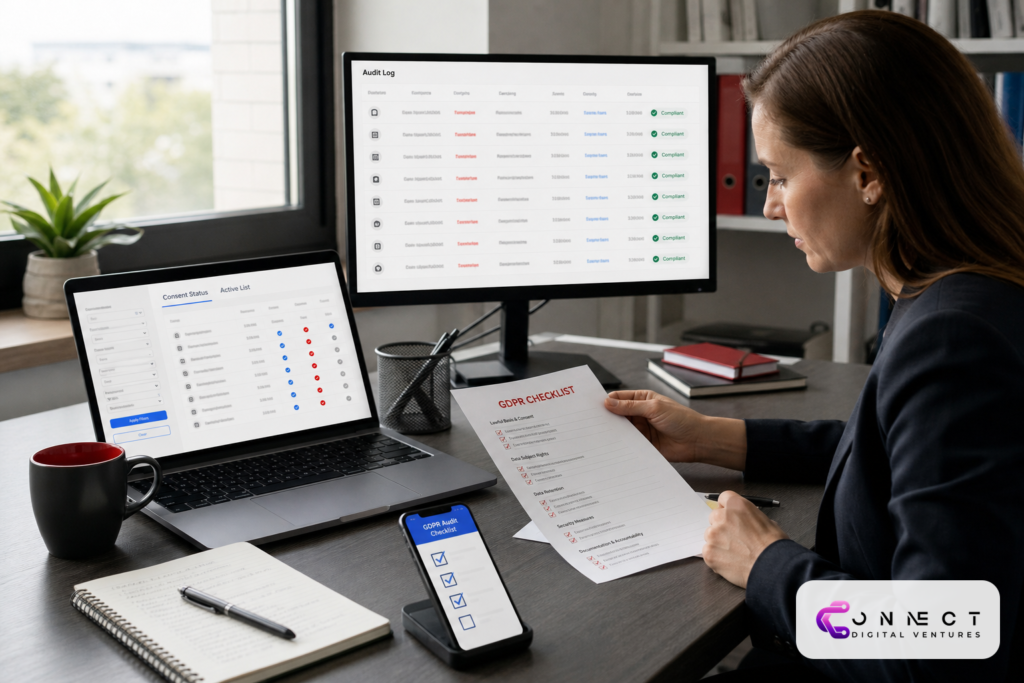
- Compliance & Security
- GDPR and CAN-SPAM compliance
- Secure data handling
- Permission-based marketing
Why Full-Service Email Marketing Matters
1. Saves Time & Resources
Managing a successful campaign takes hours of planning, designing, coding, testing, and analyzing. Outsourcing allows your team to focus on core business functions.
2. Access to Experts
You gain access to a full team — strategists, designers, copywriters, and developers — without the cost of hiring each in-house.
3. Better Results Through Specialization
Experts who live and breathe email marketing understand what works. They’ll continuously optimize your campaigns to ensure better performance.
4. Advanced Tools & Technology
Agencies use premium ESPs (email service providers), automation software, and analytics tools that give your brand a technological edge.
5. Scalability
Whether you’re sending 10,000 or 10 million emails per month, full-service solutions grow with your business needs.
How to Choose the Right Full-Service Email Marketing Partner
- Look for industry experience and case studies
- Ensure platform compatibility (Mailchimp, Klaviyo, HubSpot, etc.)
- Evaluate their creative portfolio
- Understand their reporting and communication style
- Ask about compliance and data security protocols
Real-World Impact: A Case Study Snapshot
A B2B SaaS client working with a full-service agency saw a 48% increase in engagement within 3 months. Key wins included automated onboarding flows, redesigned templates, and personalized product updates based on user behavior.
Conclusion
Email marketing remains one of the highest ROI-generating channels — but only when executed correctly. A full-service approach eliminates guesswork, empowers your brand with expert insight, and ensures every email sent has the potential to convert. Whether you’re launching a startup or scaling an enterprise, partnering with a full-service email marketing provider can be a game-changer for growth.
FAQs
1. Who needs full-service email marketing?
Brands that want to scale, lack internal expertise, or require campaign consistency benefit the most from a full-service model.
2. Is full-service email marketing expensive?
While it’s an investment, it often proves cost-effective by improving performance and reducing wasted effort.
3. Can I still be involved in the process?
Yes, good agencies will collaborate with you on goals, approvals, and performance reviews while managing execution.
4. What tools are used in full-service email marketing?
Popular platforms include Mailchimp, Klaviyo, HubSpot, ActiveCampaign, and custom CRM integrations.
5. How long does it take to see results?
You may see engagement improvements within the first few campaigns, with more significant revenue results in 60–90 days.